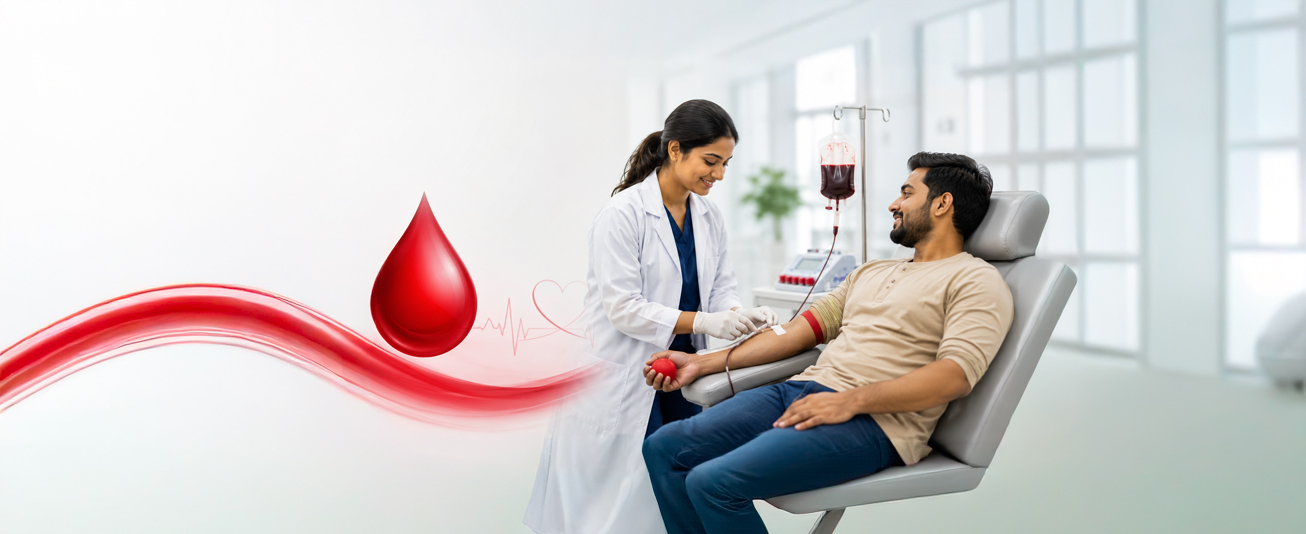
Blood Bank
Blood Bank in India
Safe blood is a cornerstone of modern medicine, enabling life-saving surgery, trauma care, cancer treatment, and the management of haematological disorders. At Park Hospitals, our Blood Bank is a fully equipped, NABH-compliant facility ensuring the availability of safe, compatible, high-quality blood and blood components for all clinical needs, 24 hours a day, 7 days a week.
All donated blood units undergo comprehensive infectious disease screening ,HIV, hepatitis B, hepatitis C, syphilis, and malaria using highly sensitive, ELISA-based assays. Our blood component therapy program produces and stores packed red blood cells, fresh frozen plasma, platelets, cryoprecipitate, and single-donor platelets, enabling precise, evidence-based transfusion therapy that minimizes risk and maximizes benefit.
Pre-transfusion testing, including ABO and Rh grouping, antibody screening, and full cross-matching, is performed for every patient before any unit is issued. For patients with complex antibody profiles or rare blood groups, our team coordinates with national referral laboratories to source compatible units.
Our transfusion committee regularly reviews practice, haemovigilance data, and adverse events, ensuring continuous improvement in safety and quality. Voluntary blood donation drives are actively promoted through corporate, educational, and community outreach. At Park Hospitals, our blood bank is more than a service; it is a lifeline, delivering safety, quality, and reliability to every patient who depends on it.
Meet Our Experts
Experienced Clinical Leaders
Consult with our highly skilled specialists dedicated to providing world-class medical expertise and personalized treatment plans.
Find A Doctor


Patient Testimonials
Stories Reflecting Excellence in Patient Care
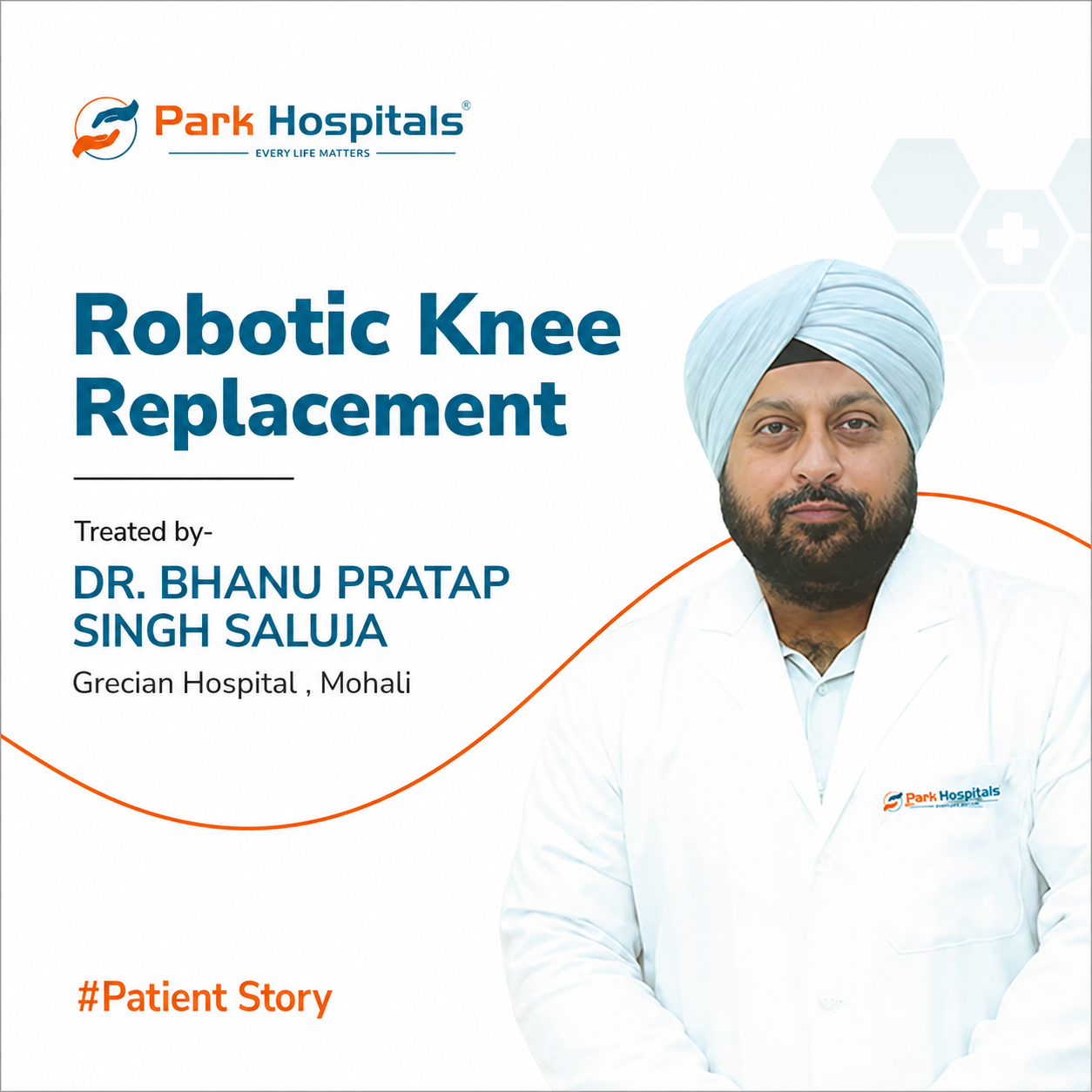
Robotic Knee Replacement Success Story
A patient regained mobility and confidence through successful robotic knee replacement surgery. Advanced robotic technology, expert orthopedic care, and personalized rehabilitation helped reduce pain, improve movement, and enhance overall quality of life.
Know More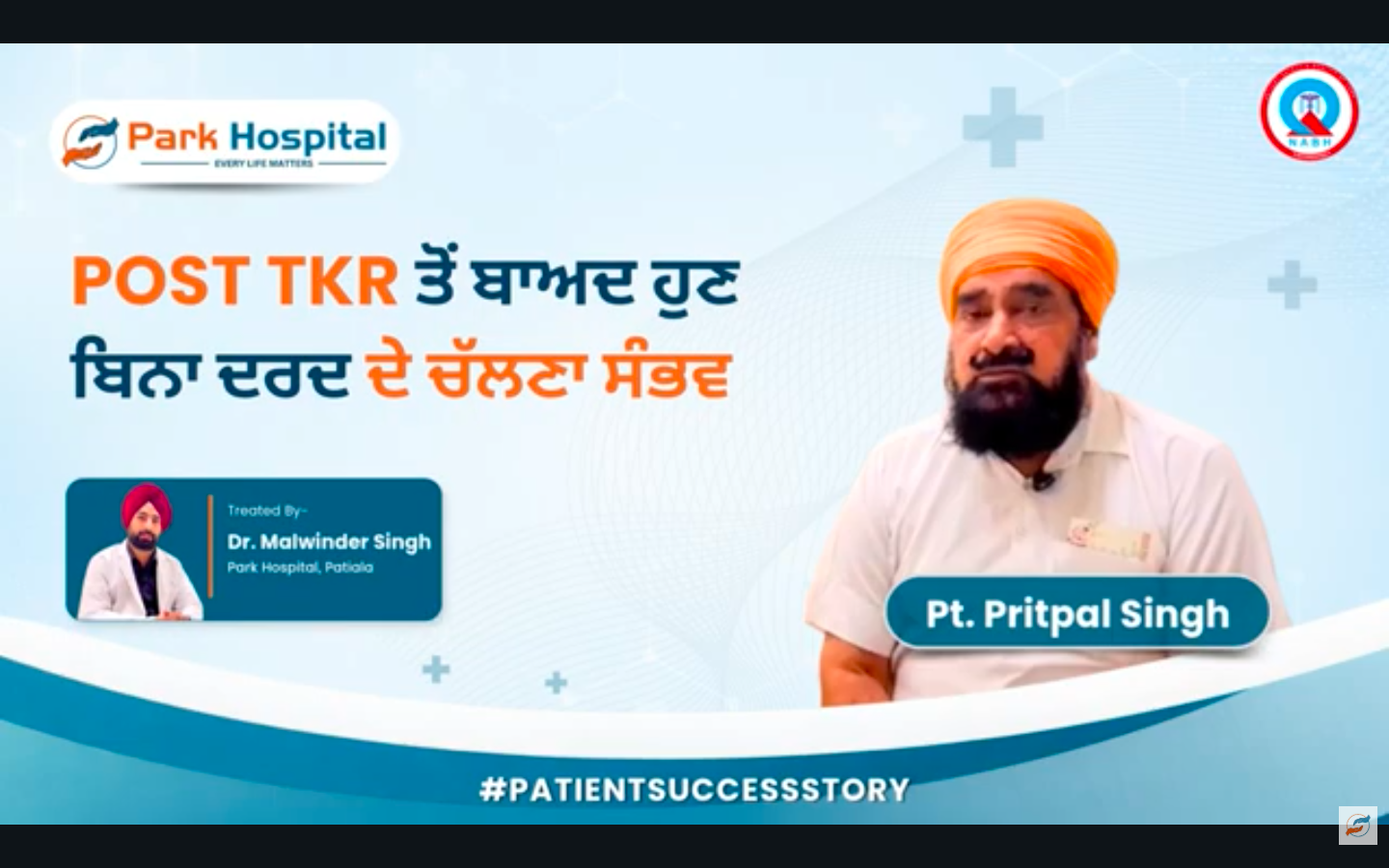
Pain-Free Walking After Total Knee Replacement
Following a successful Total Knee Replacement (TKR), the patient regained mobility and confidence. Expert orthopedic care, advanced surgical techniques, and rehabilitation support helped achieve pain-free walking and an improved quality of life.
Goodbye Knee Pain! | Advanced Knee Replacement | Dr. Anand Jindal | Park Hospital Panchkula
Chronic knee pain can affect your mobility and quality of life. Advanced knee replacement surgery can help you move comfortably and regain confidence.
Dr. Anand Jindal
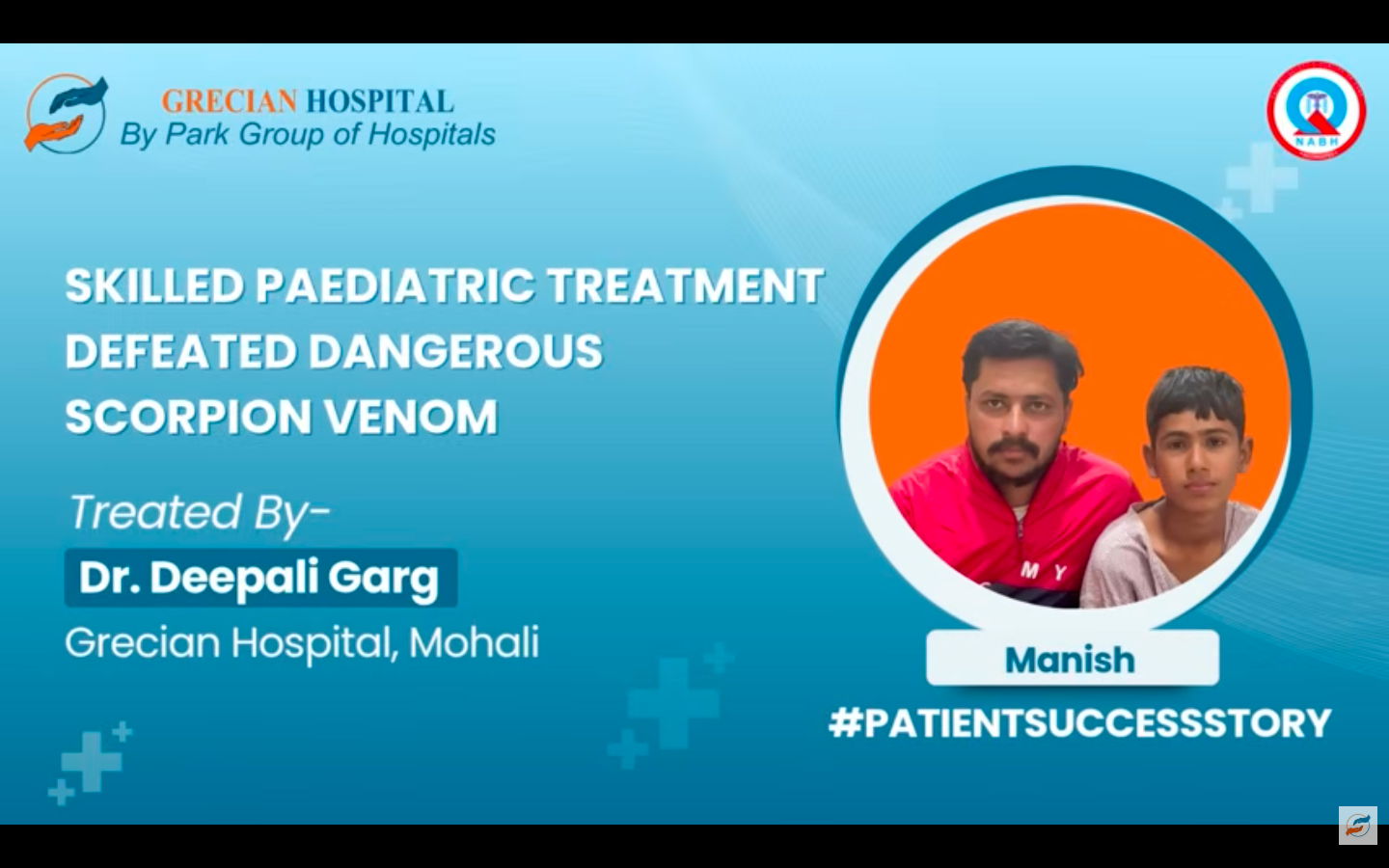
Expert Paediatric Care Defeats Scorpion Venom
A child suffering from a dangerous scorpion sting was successfully treated through timely intervention and expert pediatric care. Prompt diagnosis, critical monitoring, and specialized treatment ensured a safe recovery and positive outcome.
Dr. Milan Arora


















Our Hospital Locations
Healing Near You
Experience world-class clinical expertise and compassionate care at our advanced facilities conveniently located across the region
View AllHealth Tips
Expert Advice for Healthy Life


Frequently Asked Questions
Common questions answered by our experts
A hospital blood bank helps ensure that safe and appropriate blood and blood components are available when patients need them. Donated blood can be separated into components such as red blood cells, platelets and plasma, allowing each component to be used according to a patient's clinical needs. The blood bank also plays an important role in blood grouping, compatibility testing, storage, processing and maintaining the quality and safety of blood products before they are issued for transfusion.
A transfusion may be needed when a patient has lost a significant amount of blood, such as after major trauma or surgery, or when a specific blood component is too low or is not functioning adequately. Red blood cells may be used for significant blood loss or certain forms of anaemia, while platelets or plasma may be given when clotting or platelet problems increase the risk of bleeding. The decision depends on the patient's condition, symptoms, blood results and overall clinical situation.
Blood can be separated into different components so that patients receive what they specifically need. Red blood cells carry oxygen to tissues, while platelets help blood clot and control bleeding. Plasma is the liquid portion of blood and contains proteins involved in clotting and other functions. Cryoprecipitate, which contains specific clotting proteins, may also be used in selected situations. Whole blood may be used in certain emergencies involving major blood loss, depending on clinical circumstances and local protocols.
Before a transfusion, the patient's blood is tested to determine the ABO blood group and Rh factor. The donated blood is then selected to be compatible with the recipient. For red blood cell transfusions, a process called crossmatching involves testing a sample of the patient's blood against the donor blood to check that they are compatible. Additional testing may be needed when a patient has previously developed certain red blood cell antibodies or has a history of transfusion reactions.
Donated blood undergoes careful screening and testing before it is made available for transfusion. Donor health information is assessed, and samples are tested for blood group and for infections that could potentially be transmitted through transfusion. Blood is also processed into components and stored under controlled conditions. These measures, together with careful donor selection, handling and compatibility testing, make transfusion-transmitted infections extremely rare, although no medical procedure is completely without risk.
Patients should tell their healthcare team if they have previously received a transfusion, experienced a transfusion reaction or been told that they have a red blood cell antibody. Before and during the transfusion, vital signs such as temperature, heart rate and blood pressure are monitored. Patients should immediately report symptoms such as fever, chills, itching, difficulty breathing, chest or back pain, or swelling. Most transfusions are well tolerated, but prompt reporting of symptoms allows the team to respond quickly if a reaction occurs.
Blood donation is generally intended for people who are in good health and meet the blood bank's age, weight and health requirements. Potential donors are usually asked about their medical history, medicines, recent illnesses, travel and other factors that could affect donation safety. Eligibility criteria vary between countries and blood banks, so meeting a general requirement does not automatically mean someone can donate on a particular day. The donor screening process protects both the donor and the person receiving the blood.