
Paediatric Surgery
Paediatric Surgery in India
Children present with surgical conditions that are fundamentally different from adults and their care demands surgeons who combine exceptional technical skill with a deep understanding of childhood anatomy, physiology, and the emotional needs of young patients and their families. At Park Hospitals, our Department of Paediatric Surgery provides expert, child-centred surgical care from newborns through adolescence.
Our paediatric surgeons manage congenital anomalies of the GI tract, chest, abdominal wall, and genitourinary system; neonatal surgical emergencies; childhood appendicitis; intussusception; Hirschsprung's disease; pyloric stenosis; and paediatric hernias, undescended testes, and hydroceles. Paediatric solid tumours, Wilms' tumour, neuroblastoma, hepatoblastoma are managed in collaboration with our paediatric oncology team.
Minimally invasive surgery is central to our programme with laparoscopic and thoracoscopic techniques used extensively, even in small infants, for appendicitis, pyloric stenosis, reflux, and chest conditions. Neonatal surgery manages oesophageal atresia, intestinal atresia, imperforate anus, congenital diaphragmatic hernia, and abdominal wall defects in close collaboration with neonatology and paediatric anaesthesia.
Paediatric urology addresses hypospadias, vesicoureteric reflux, hydronephrosis, posterior urethral valves, and genital anomalies. Our entire team, surgeons, anaesthesiologists, and nurses is trained in age-appropriate communication and family-centred care. At Park Hospitals, paediatric surgery is performed with the skill of a specialist and the heart of a carer.
Patient Testimonials
Stories Reflecting Excellence in Patient Care
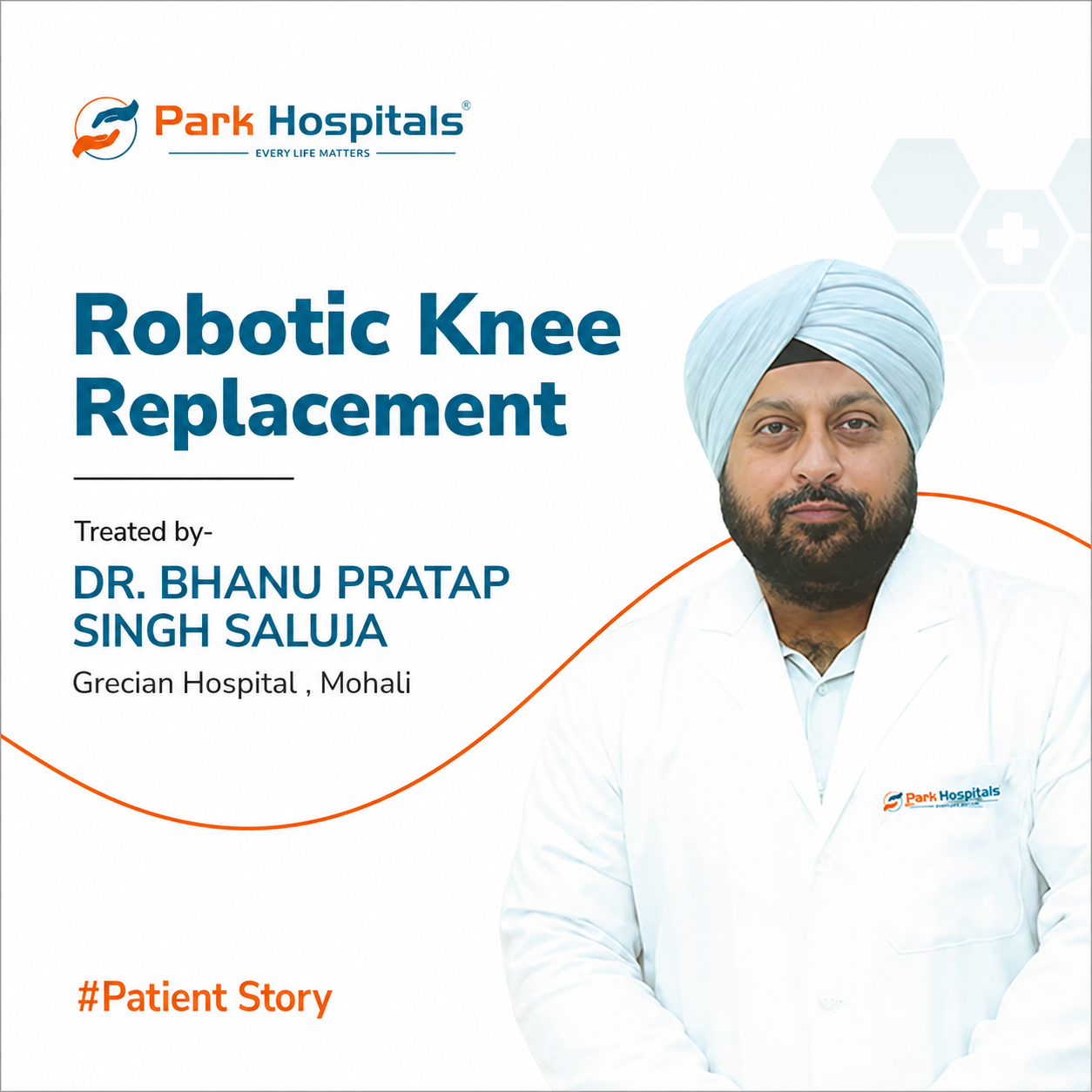
Robotic Knee Replacement Success Story
A patient regained mobility and confidence through successful robotic knee replacement surgery. Advanced robotic technology, expert orthopedic care, and personalized rehabilitation helped reduce pain, improve movement, and enhance overall quality of life.
Know More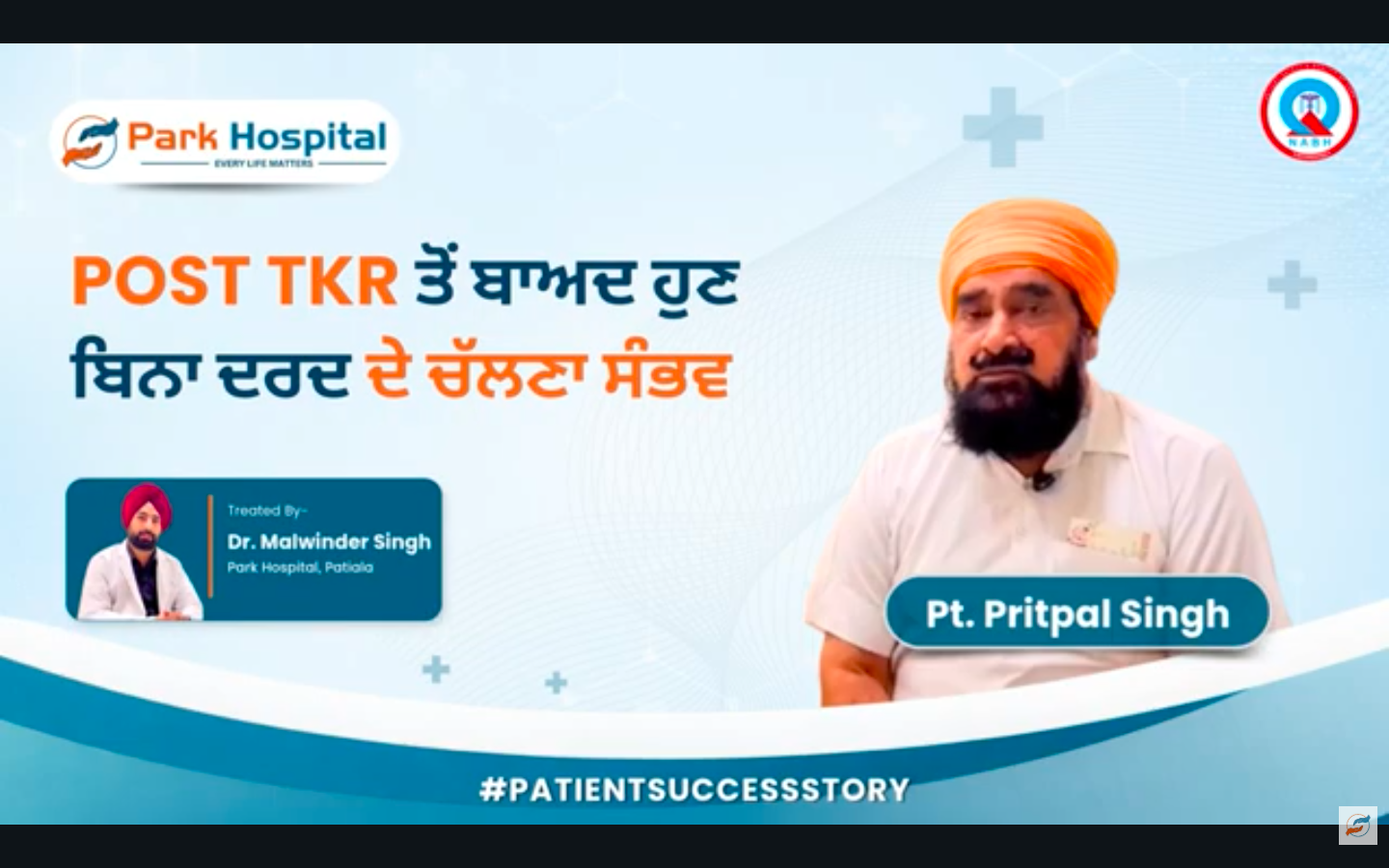
Pain-Free Walking After Total Knee Replacement
Following a successful Total Knee Replacement (TKR), the patient regained mobility and confidence. Expert orthopedic care, advanced surgical techniques, and rehabilitation support helped achieve pain-free walking and an improved quality of life.

Goodbye Knee Pain! | Advanced Knee Replacement | Dr. Anand Jindal | Park Hospital Panchkula
Chronic knee pain can affect your mobility and quality of life. Advanced knee replacement surgery can help you move comfortably and regain confidence.
Dr. Anand Jindal
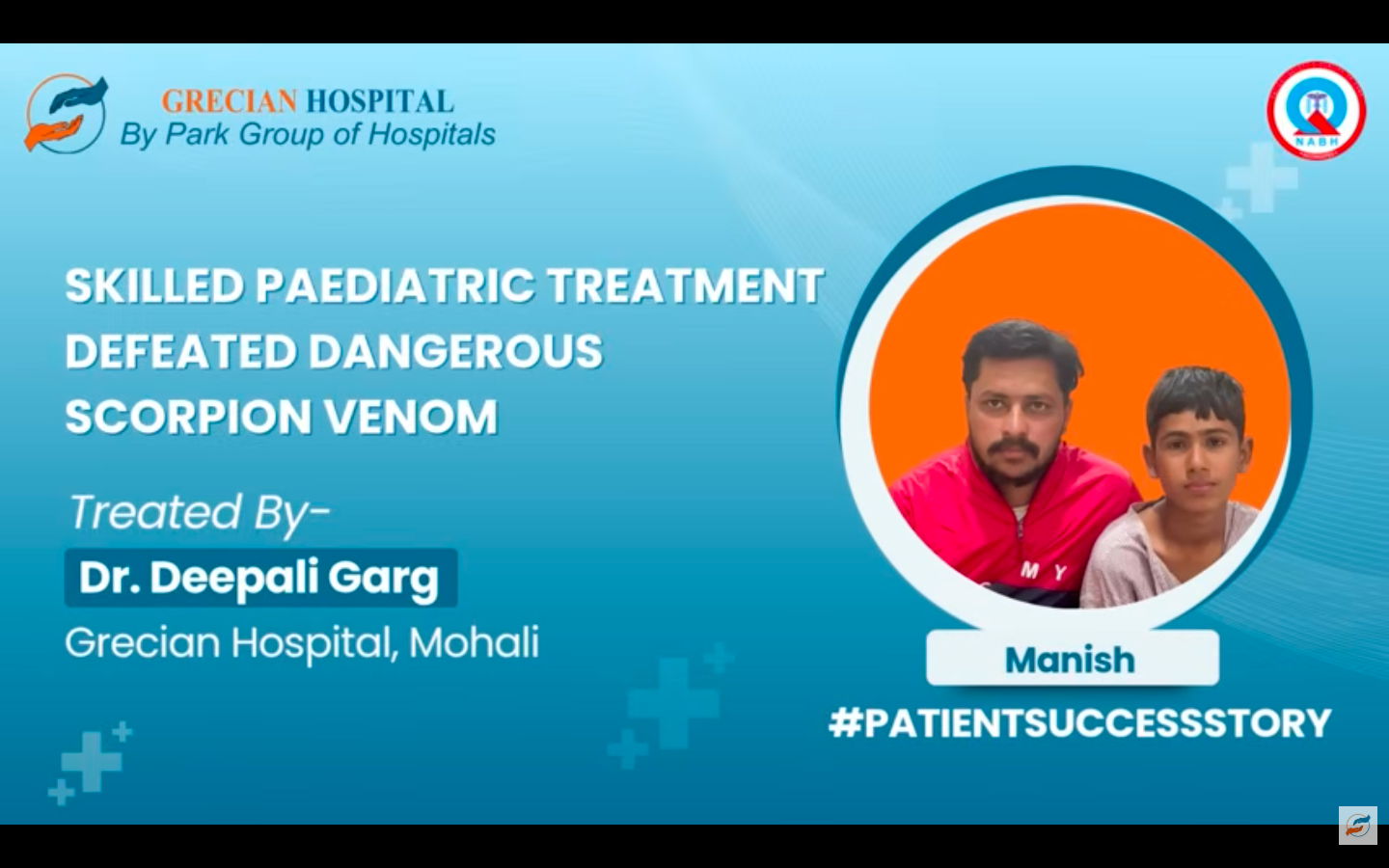
Expert Paediatric Care Defeats Scorpion Venom
A child suffering from a dangerous scorpion sting was successfully treated through timely intervention and expert pediatric care. Prompt diagnosis, critical monitoring, and specialized treatment ensured a safe recovery and positive outcome.
Dr. Milan Arora











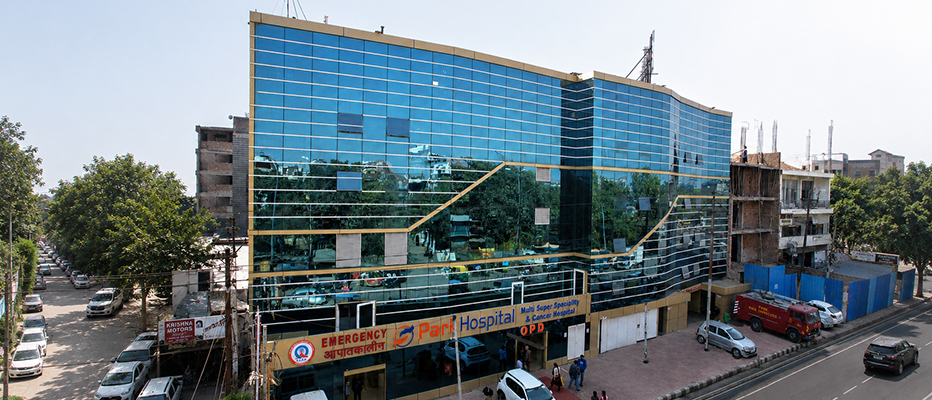







Our Hospital Locations
Healing Near You
Experience world-class clinical expertise and compassionate care at our advanced facilities conveniently located across the region
View AllHealth Tips
Expert Advice for Healthy Life


Frequently Asked Questions
Common questions answered by our experts
Paediatric surgeons treat a wide range of conditions, including congenital abnormalities, developmental conditions, injuries and problems affecting the abdomen, chest, groin and other areas. Examples include appendicitis, hernias, undescended testicles, certain intestinal conditions, congenital abnormalities and some tumours. Some conditions require immediate surgery, while others can be monitored or treated medically first. The need for surgery depends on the child's diagnosis, symptoms, age, overall health and whether an operation is expected to provide a meaningful benefit.
A child may be referred to a paediatric surgeon when a condition is likely to require an operation or when a surgical opinion is needed to determine the best treatment approach. Referral may follow an abnormal scan, a congenital condition, persistent symptoms or an acute problem such as appendicitis or a complicated hernia. A surgical consultation does not necessarily mean that an operation will be performed. The surgeon evaluates the child and discusses whether surgery, observation or another treatment is most appropriate.
Paediatric surgeons perform procedures ranging from relatively common operations to complex surgery for congenital conditions. These may include repair of inguinal or umbilical hernias, appendectomy, treatment of undescended testicles and procedures for certain intestinal or chest conditions. They may also perform biopsies, remove selected tumours or correct congenital abnormalities. The specific procedure depends on the child's condition. Whenever appropriate, surgeons use techniques designed to minimize discomfort and support a child's recovery while achieving the intended treatment goal.
Before surgery, the paediatric surgical team reviews the child's medical history, symptoms, previous procedures, medicines and allergies and performs a physical examination. Depending on the operation, blood tests, imaging or other investigations may be needed. The child's age, nutritional status and other medical conditions are also considered when planning anaesthesia and surgery. Parents and caregivers are given instructions about fasting, medicines and what to expect. The team also explains the procedure, potential risks and recovery in language appropriate for the family.
When appropriate, children may undergo minimally invasive procedures using small incisions and specialized instruments. Laparoscopic and thoracoscopic techniques can be used for selected abdominal and chest operations, and robotic assistance may be available for certain procedures in older children or specific clinical situations. Potential advantages can include smaller incisions, less postoperative discomfort and a shorter recovery compared with some open procedures. However, minimally invasive surgery is not suitable for every child or condition, and the safest approach depends on the individual case.
Preparation should be age-appropriate and honest. Explain what will happen using simple language and allow the child to ask questions. Follow the hospital's instructions about fasting, medicines, bathing and what the child should bring. Familiar items can provide comfort, particularly for younger children. After surgery, parents should follow instructions about medicines, wound care, diet, activity and follow-up appointments. Children may experience temporary pain, tiredness or changes in appetite, and the surgical team can advise what is expected and which symptoms require medical attention.
Ask what the diagnosis is, why surgery is being recommended and whether there are non-surgical alternatives. Discuss what the operation involves, the expected benefits, possible complications and the type of anaesthesia required. It is also helpful to ask how long the procedure may take, whether the child will need to stay in hospital and what recovery will involve. Ask about pain management, restrictions on activity, follow-up and warning signs after discharge. Parents should feel comfortable asking the surgeon to explain anything they do not understand.