
Psychiatry
Psychiatry in India
Mental health is health, as real, as serious, and as deserving of expert care as any physical condition. At Park Hospitals, our Department of Psychiatry provides comprehensive, compassionate, and evidence-based mental healthcare for adults, adolescents, and the elderly in an environment that is completely free from judgement and stigma. We believe seeking help is an act of strength.
Our team of psychiatrists, clinical psychologists manages the full range of psychiatric conditions, depression, anxiety, panic disorder, OCD, PTSD, schizophrenia, bipolar disorder, personality disorders, eating disorders, substance use disorders, and psychosomatic conditions. Comprehensive diagnostic evaluation, exploring symptoms, personal and family history, and functional impact leads to an accurate diagnosis and personalised treatment plan.
Our treatment approach is biopsychosocial, addressing biological, psychological, and social dimensions simultaneously. Pharmacological treatment, antidepressants, mood stabilisers, antipsychotics, anxiolytics is combined with CBT, DBT, mindfulness-based therapy, and interpersonal therapy delivered by our clinical psychologists. Inpatient psychiatric care is available for patients requiring a higher level of support in a calm, therapeutically designed environment.
Liaison psychiatry supports patients throughout the hospital whose mental health needs arise in the context of physical illness. Our addiction programme provides detoxification and structured rehabilitation. At Park Hospitals, mental health matters and so does the courage it takes to ask for help.
Meet Our Experts
Experienced Clinical Leaders
Consult with our highly skilled specialists dedicated to providing world-class medical expertise and personalized treatment plans.
Find A Doctor








Patient Testimonials
Stories Reflecting Excellence in Patient Care

Robotic Knee Replacement Success Story
A patient regained mobility and confidence through successful robotic knee replacement surgery. Advanced robotic technology, expert orthopedic care, and personalized rehabilitation helped reduce pain, improve movement, and enhance overall quality of life.
Know More
Pain-Free Walking After Total Knee Replacement
Following a successful Total Knee Replacement (TKR), the patient regained mobility and confidence. Expert orthopedic care, advanced surgical techniques, and rehabilitation support helped achieve pain-free walking and an improved quality of life.

Goodbye Knee Pain! | Advanced Knee Replacement | Dr. Anand Jindal | Park Hospital Panchkula
Chronic knee pain can affect your mobility and quality of life. Advanced knee replacement surgery can help you move comfortably and regain confidence.
Dr. Anand Jindal
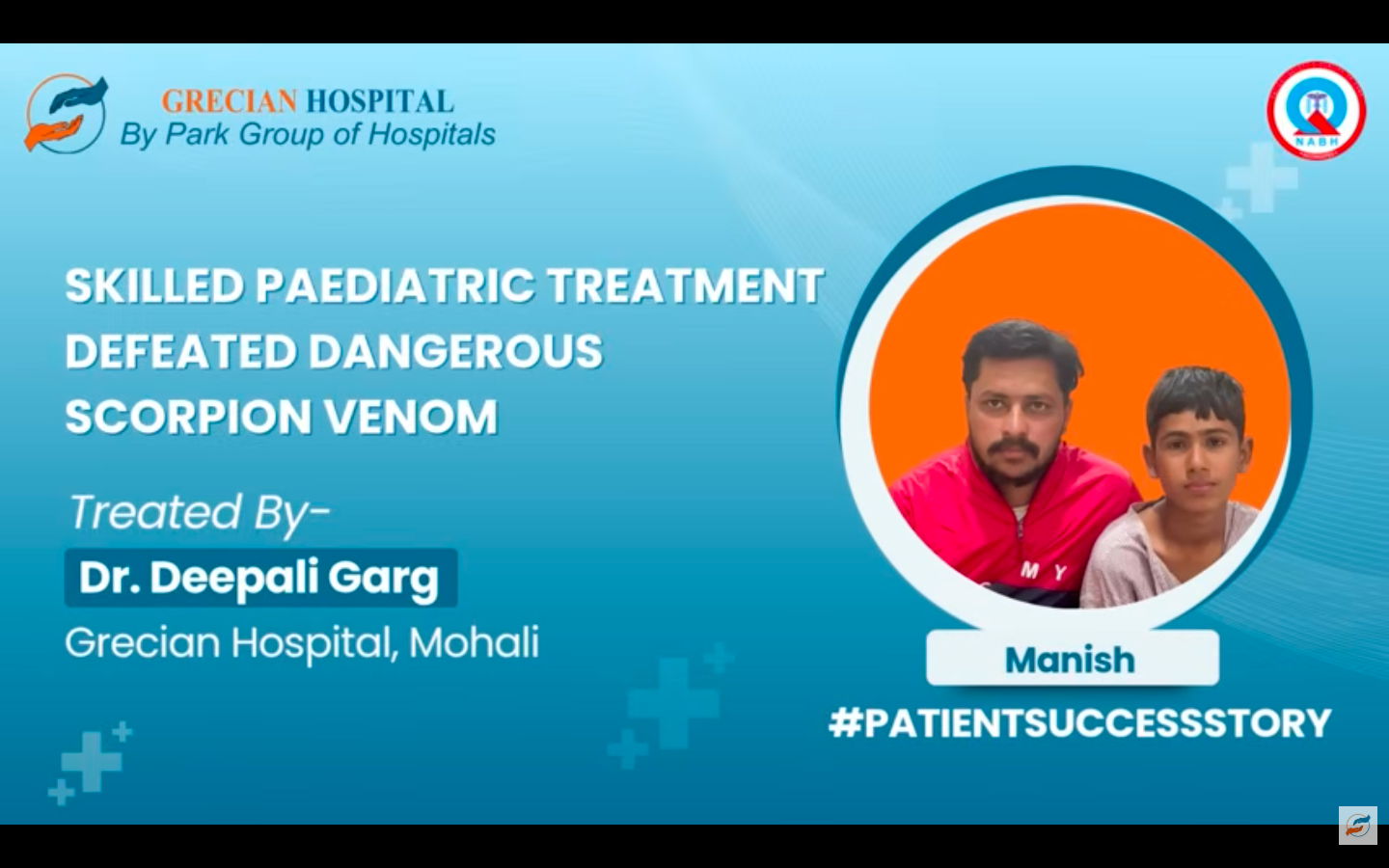
Expert Paediatric Care Defeats Scorpion Venom
A child suffering from a dangerous scorpion sting was successfully treated through timely intervention and expert pediatric care. Prompt diagnosis, critical monitoring, and specialized treatment ensured a safe recovery and positive outcome.
Dr. Milan Arora


















Our Hospital Locations
Healing Near You
Experience world-class clinical expertise and compassionate care at our advanced facilities conveniently located across the region
View AllHealth Tips
Expert Advice for Healthy Life



Frequently Asked Questions
Common questions answered by our experts
Consider consulting a psychiatrist when emotional, behavioural or psychological changes are persistent, distressing or begin interfering with work, relationships, sleep or everyday activities. Concerns may include ongoing sadness or anxiety, significant mood changes, difficulty concentrating, changes in sleep or appetite, withdrawal from others or difficulty coping with daily life. A psychiatrist may also be appropriate when symptoms are severe, recurring or have not improved with initial support or treatment. Early evaluation can help identify the underlying problem and appropriate treatment.
Psychiatrists diagnose and treat a broad range of mental health conditions affecting mood, thinking, behaviour and emotional wellbeing. These include depression, anxiety disorders, bipolar disorder, schizophrenia and other psychotic disorders, obsessive-compulsive disorder, trauma-related conditions and certain personality disorders. They may also treat substance-use disorders and other complex mental health concerns. A psychiatrist considers the individual's symptoms, history and overall health to establish a diagnosis and develop an appropriate treatment plan.
Psychiatric diagnosis is primarily based on a detailed clinical evaluation rather than a single laboratory test. The psychiatrist discusses symptoms, their duration and severity, medical and psychiatric history, medicines, family history and their impact on daily life. A mental health examination may assess mood, behaviour, thinking, memory and perception. Depending on the symptoms, blood tests, imaging or other medical investigations may be recommended to rule out physical conditions that can contribute to psychological or behavioural changes.
Treatment depends on the condition, its severity and the individual's circumstances. Options may include psychotherapy, medicines, lifestyle and behavioural changes, or a combination of approaches. Different forms of psychotherapy can help people understand and manage thoughts, emotions and behaviours, while medicines may help regulate symptoms such as depression, anxiety, mood instability or psychosis. Treatment is individualized and may be adjusted over time according to the person's response, preferences, side effects and changing needs.
The appropriate approach depends on the diagnosis, severity of symptoms, treatment history and individual preferences. Psychotherapy may be particularly useful for many anxiety, mood and behavioural conditions, while medicines may be recommended when symptoms are moderate to severe, persistent or significantly affecting functioning. Some conditions respond best to a combination of medication and psychotherapy. The psychiatrist considers potential benefits, risks, side effects and the patient's goals when deciding whether one treatment or a combination is appropriate.
Support begins with listening without judgment and respecting the person's dignity and privacy. Family members can encourage treatment, help with practical needs and, when the patient agrees, participate in consultations or learn how to support the treatment plan. It is important not to pressure someone into discussing more than they are comfortable sharing. Families should also be attentive to significant changes in behaviour or functioning and seek professional help when there are concerns about immediate safety. Caregiver wellbeing matters too.
The first consultation usually involves a detailed conversation about your concerns, symptoms, medical and mental health history, medicines, sleep, lifestyle and how you are functioning in daily life. The psychiatrist may also ask about family history and previous treatments. There is no single test that determines whether someone has a mental health condition. The first visit may focus on understanding the problem and discussing possible diagnoses and treatment options. You should feel comfortable asking about the proposed treatment, expected benefits, side effects and follow-up.