
Dermatology
Dermatology Hospital in India
The skin is the body's largest organ and skin conditions can have a profound impact on confidence, comfort, and quality of life. At Park Hospitals, our Department of Dermatology provides expert care for the full range of medical and cosmetic skin conditions, combining rigorous clinical dermatology with the latest aesthetic treatments in a welcoming, professional environment.
Our dermatologists manage acne, eczema, psoriasis, rosacea, urticaria, contact dermatitis, alopecia, vitiligo, fungal infections, and a wide spectrum of autoimmune and inflammatory skin conditions. Skin cancer, basal cell carcinoma, squamous cell carcinoma, and melanoma is detected early through dermoscopy and managed surgically in collaboration with our oncology team.
Diagnostic tools include dermoscopy, skin biopsy, patch testing for contact allergens, Wood's lamp examination, and trichoscopy for hair and scalp conditions. Paediatric dermatology manages neonatal skin disorders, atopic eczema, and birthmarks with the expertise and gentleness young patients require.
Cosmetic dermatology, chemical peels, microdermabrasion, PRP therapy, laser hair removal, Q-switched laser for pigmentation, mesotherapy, and radiofrequency skin tightening is performed by qualified dermatologists in a medically supervised, clinically safe environment. At Park Hospitals, healthy skin is our commitment and our dermatology team treats both the condition and the person with equal expertise and care.
Diseases and Procedures
Advanced Treatments For Every Disease
1 Acne
Acne is a common skin condition that occurs when hair follicles become clogged with oil, dead skin cells, and bacteria, Read More
2 Cellulite
Cellulite is a common skin condition that causes the skin to appear dimpled, uneven, or lumpy, often resembling an "oran Read More
3 Eczema
Eczema, also known as atopic dermatitis, is a chronic skin condition that causes inflammation, dryness, itching, and irr Read More
4 Hair Loss (Alopecia)
Hair loss, medically known as alopecia, is a condition characterized by partial or complete loss of hair from the scalp Read More
5 Hyperpigmentation
Hyperpigmentation is a common skin condition characterized by the development of darker patches or areas of skin due to Read More
6 Melasma
Melasma is a common skin condition characterized by the appearance of brown, gray-brown, or dark patches on the skin, pa Read More
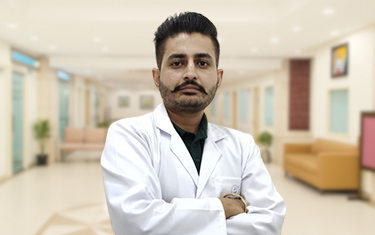
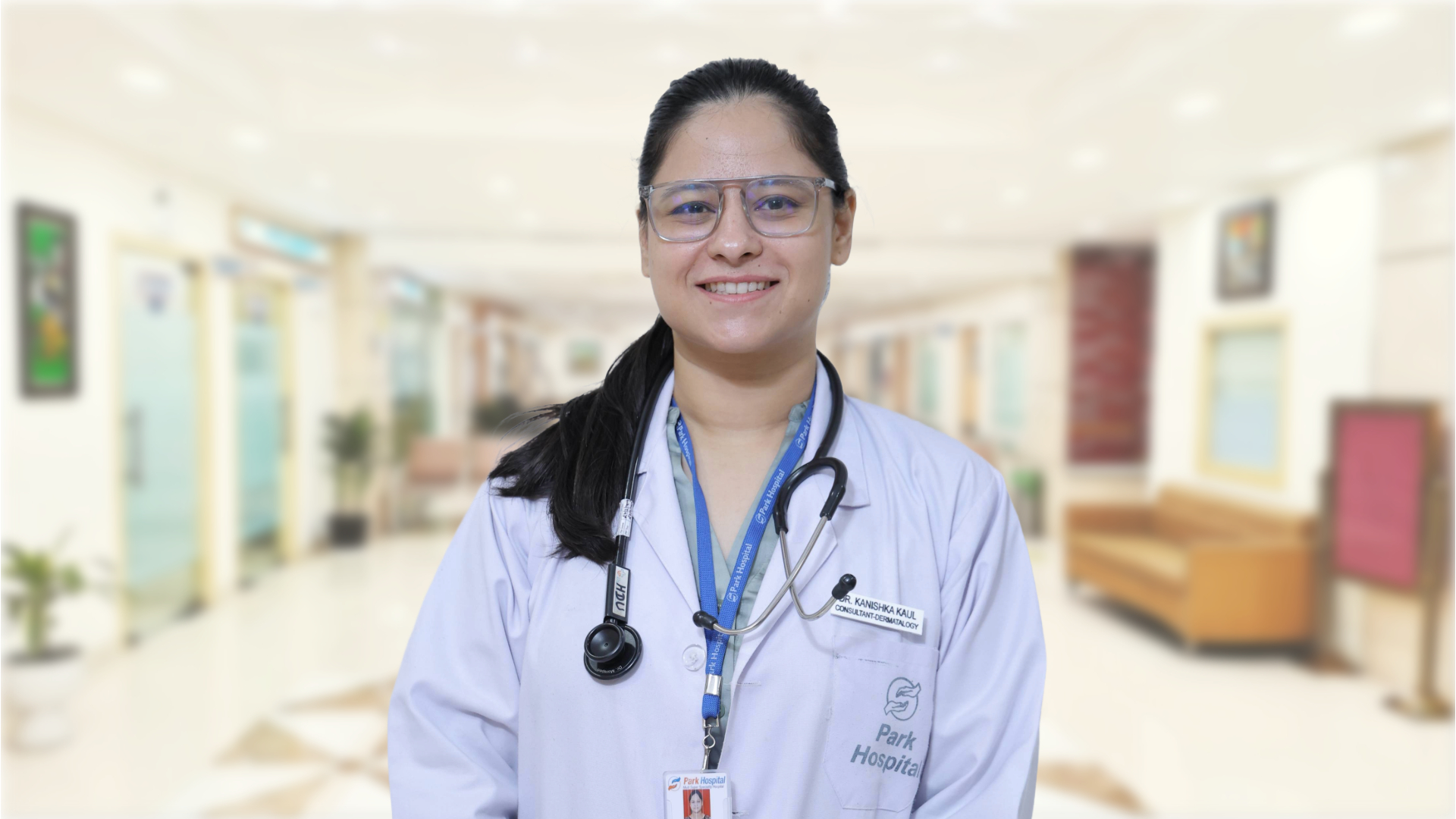
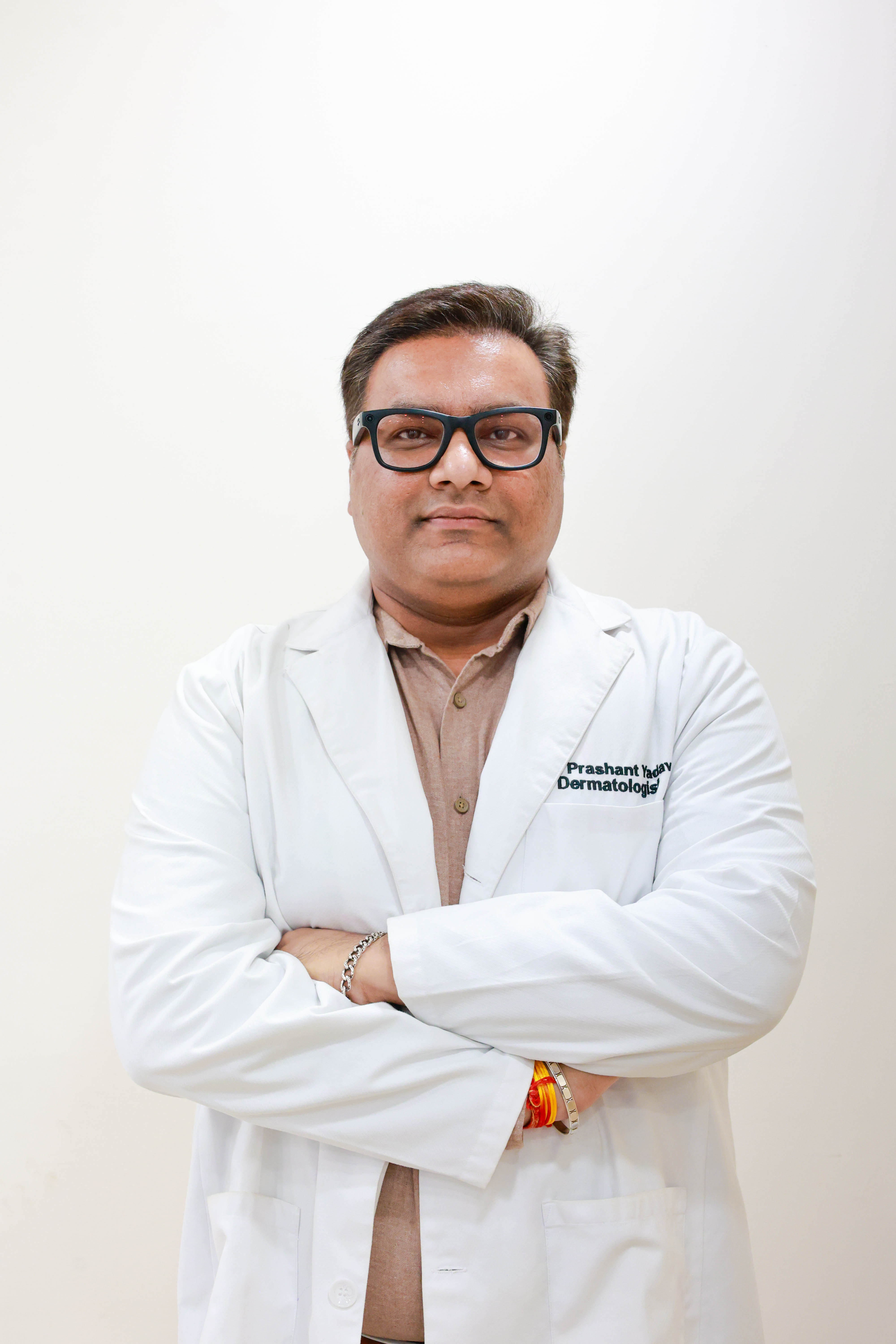
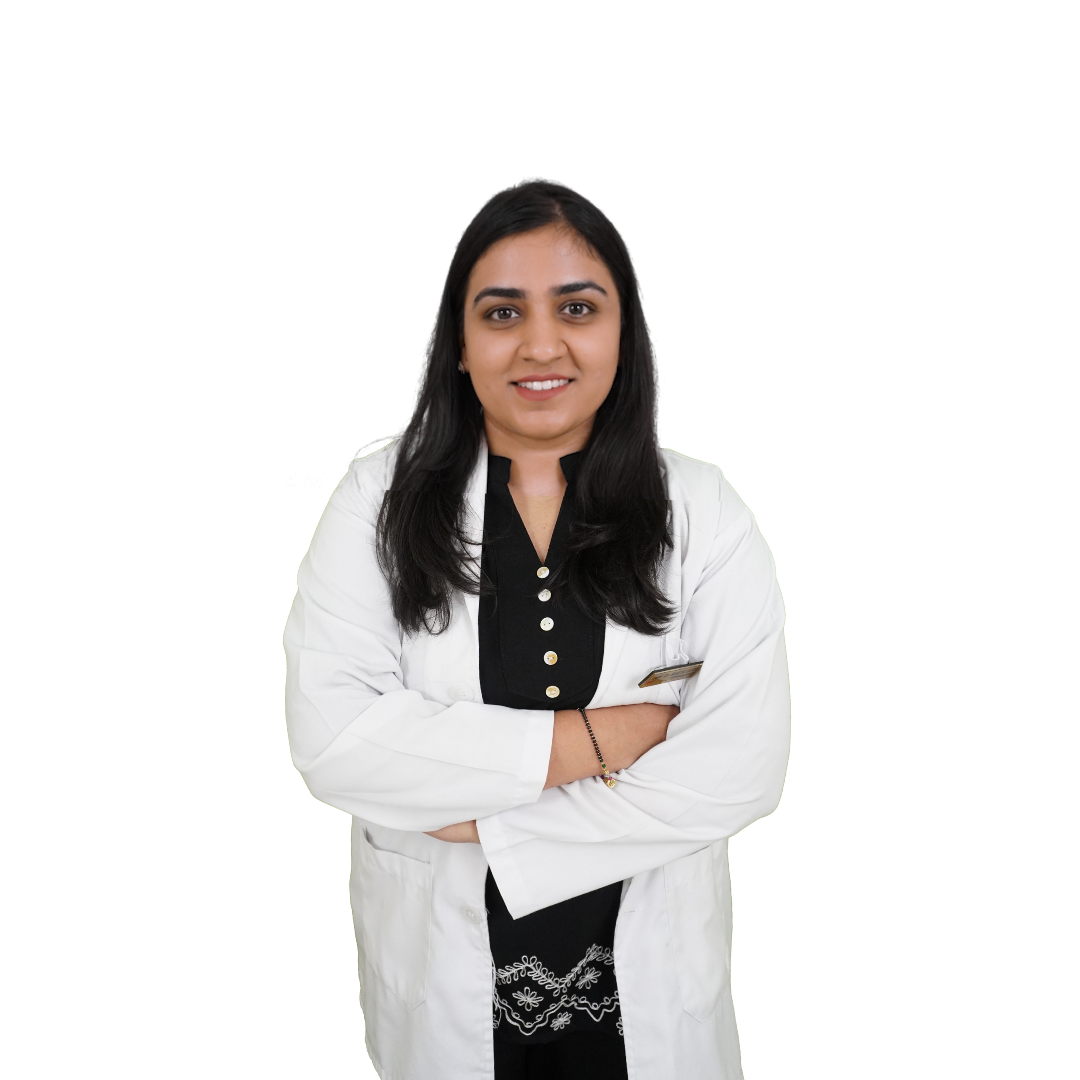
Meet Our Experts
Experienced Clinical Leaders
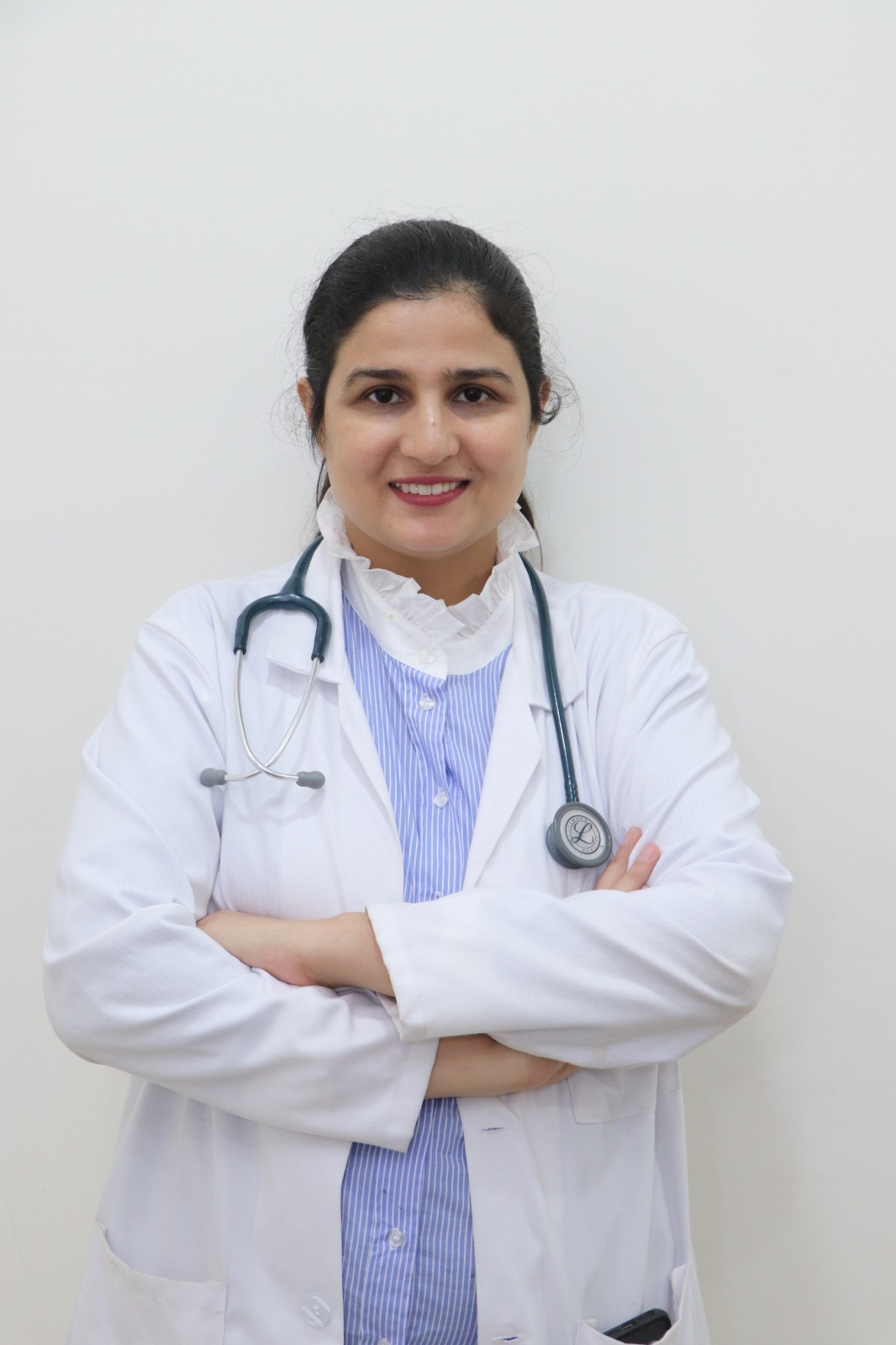
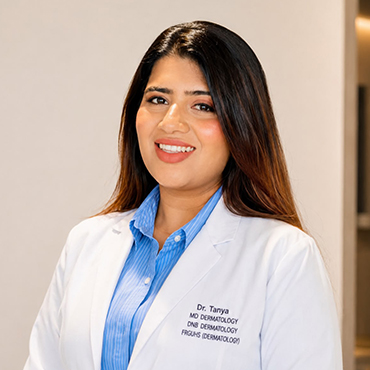
Consult with our highly skilled specialists dedicated to providing world-class medical expertise and personalized treatment plans.
Find A Doctor





Patient Testimonials
Stories Reflecting Excellence in Patient Care

Robotic Knee Replacement Success Story
A patient regained mobility and confidence through successful robotic knee replacement surgery. Advanced robotic technology, expert orthopedic care, and personalized rehabilitation helped reduce pain, improve movement, and enhance overall quality of life.
Know More
Pain-Free Walking After Total Knee Replacement
Following a successful Total Knee Replacement (TKR), the patient regained mobility and confidence. Expert orthopedic care, advanced surgical techniques, and rehabilitation support helped achieve pain-free walking and an improved quality of life.

Goodbye Knee Pain! | Advanced Knee Replacement | Dr. Anand Jindal | Park Hospital Panchkula
Chronic knee pain can affect your mobility and quality of life. Advanced knee replacement surgery can help you move comfortably and regain confidence.
Dr. Anand Jindal
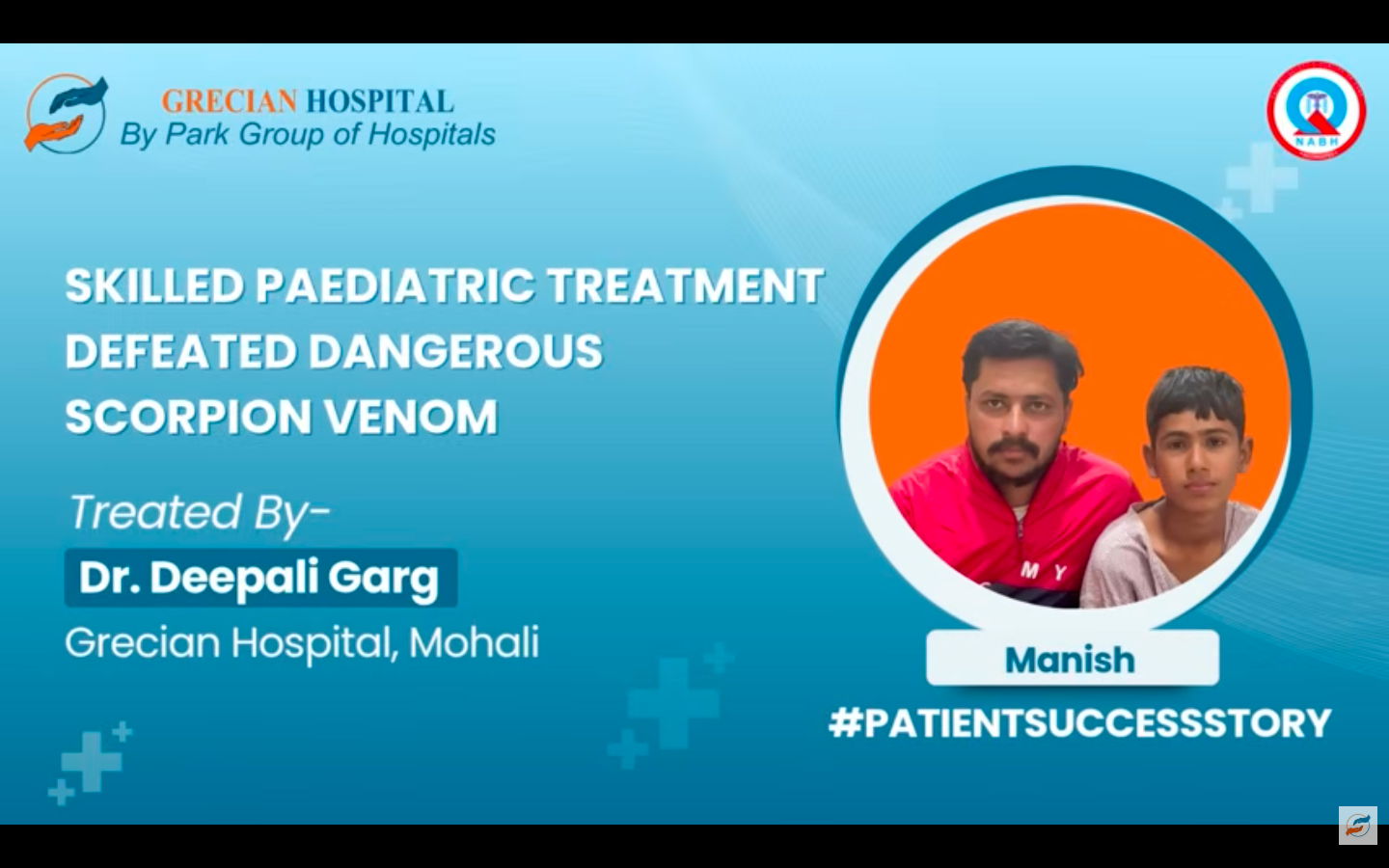
Expert Paediatric Care Defeats Scorpion Venom
A child suffering from a dangerous scorpion sting was successfully treated through timely intervention and expert pediatric care. Prompt diagnosis, critical monitoring, and specialized treatment ensured a safe recovery and positive outcome.
Dr. Milan Arora









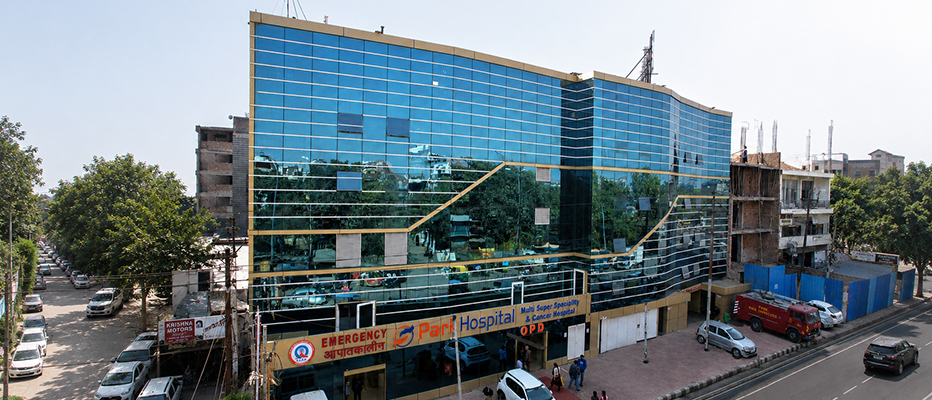






Our Hospital Locations
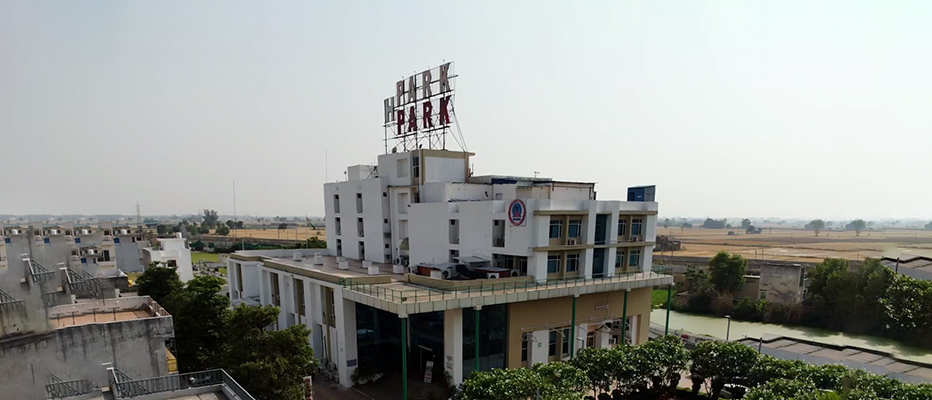
Healing Near You
Experience world-class clinical expertise and compassionate care at our advanced facilities conveniently located across the region
View AllHealth Tips
Expert Advice for Healthy Life


Frequently Asked Questions
Common questions answered by our experts
Dermatologists diagnose and treat conditions affecting the skin, hair and nails. Common concerns include acne, eczema, psoriasis, dermatitis, fungal infections, excessive sweating, hair loss, dandruff, nail infections and other inflammatory or infectious conditions. Dermatologists also evaluate warts, moles, cysts and other skin growths. Some skin conditions may look similar but require very different treatments, so persistent, recurring or unexplained changes are best assessed by a specialist rather than treated based solely on appearance.
Consider seeing a dermatologist when a rash, itching, irritation or other skin change does not improve, keeps returning or begins affecting your daily life. Specialist evaluation may also be appropriate for unexplained hair loss, persistent nail changes, rapidly changing skin lesions or symptoms that do not respond to initial treatment. A dermatologist can determine whether the problem is inflammatory, infectious, allergic or related to another condition and recommend appropriate testing or treatment.
Diagnosis often begins with a detailed history and examination of the skin, hair or nails. A dermatologist may assess the appearance, location, distribution and progression of a condition and ask about symptoms, medications, allergies, personal and family history and possible triggers. If the diagnosis is unclear, additional tests may be used, including skin scrapings, cultures, allergy testing or a skin biopsy. The aim is to identify the underlying cause rather than treating symptoms based only on their appearance.
Treatment depends on the condition, severity, affected area and individual factors. Acne may be treated with topical medicines, oral medicines or other dermatological procedures. Eczema is commonly managed with moisturizers, trigger avoidance and medicines that reduce inflammation when needed. Psoriasis treatment can include topical therapies, phototherapy and systemic medicines, including biologic treatments for selected patients. Other skin disorders may require antifungal, antibacterial, antiviral or specialized treatments. A dermatologist selects therapy according to the diagnosis and response to treatment.
A mole or skin lesion should be evaluated if it is new, changes in size, shape or colour, develops an irregular appearance, or begins itching, bleeding or otherwise changing. The ABCDE features — asymmetry, an irregular border, varied colour, increasing diameter and evolving appearance — can help identify lesions that warrant attention. However, not every unusual-looking mole is cancerous, and some skin cancers do not follow these features. A dermatologist can examine a suspicious lesion and perform a biopsy when necessary.
Protecting your skin starts with regular sun protection, including seeking shade, wearing protective clothing and using a broad-spectrum sunscreen as appropriate. Avoiding tanning beds and limiting excessive ultraviolet exposure can reduce skin damage and skin-cancer risk. Gentle cleansing and regular moisturization can support the skin barrier, while avoiding known irritants may help prevent flare-ups of certain conditions. Do not share personal items such as towels or razors when infections are a concern, and seek professional advice for persistent or unexplained skin changes.
A dermatology consultation usually begins with a discussion of your main concern, when it started, how it has changed and any treatments you have already tried. The dermatologist will examine the affected skin, hair or nails and may examine other areas when appropriate. If needed, additional testing such as a skin biopsy or laboratory investigation may be recommended. You can also expect to discuss treatment options, skincare or lifestyle measures, expected results and when you should return for follow-up.