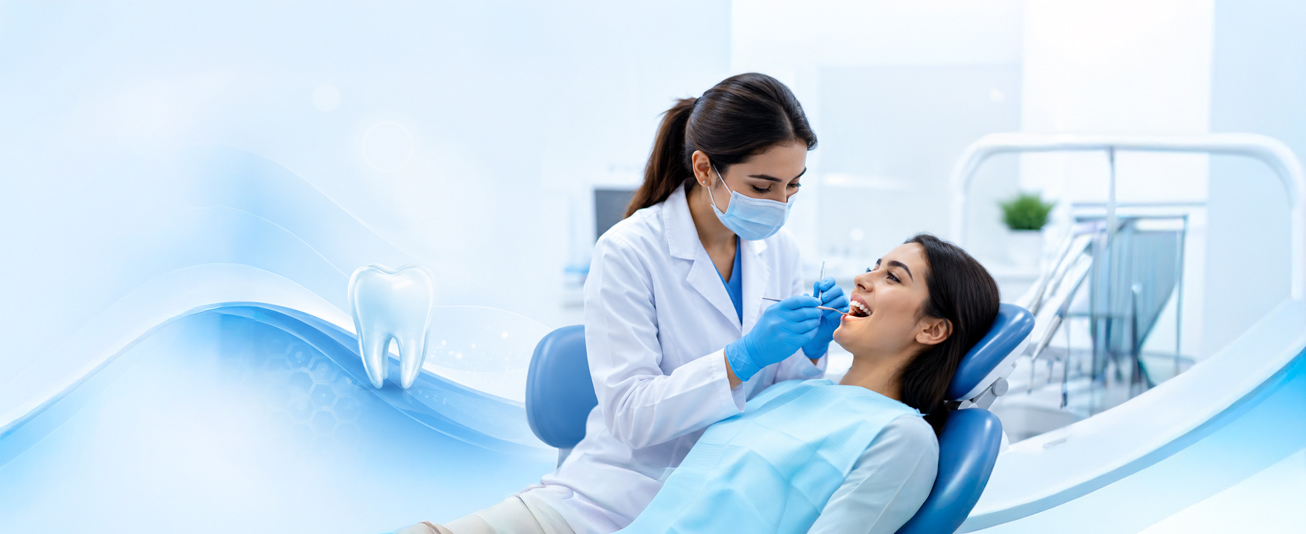
Dental Care
Dental Hospital in India
A healthy smile is more than aesthetics; it is a reflection of overall health and a contributor to confidence and quality of life. At Park Hospitals, our Department of Dental Care provides comprehensive oral healthcare from routine check-ups and preventive care to complex implantology and full-mouth rehabilitation, delivered by skilled dental surgeons in a modern, fully equipped clinical environment.
Our preventive-first philosophy emphasises regular scaling, fluoride treatment, pit and fissure sealants, and oral hygiene education, reducing the need for more invasive treatment in the long term. Conservative dentistry and endodontics cover composite restorations and painless root canal treatment using modern rotary systems and digital apex locators for precision and patient comfort.
Prosthodontics and implantology offer the complete range of tooth replacement options, crowns, bridges, dentures, and osseointegrated dental implants, the gold standard for natural-looking, functional tooth replacement. Orthodontic treatment, conventional braces and clear aligners is available for children and adults. Periodontal care, including gum disease management, bone grafting, and soft tissue surgery, completes our comprehensive dental offering.
Oral and maxillofacial surgery, jaw surgery, salivary gland procedures, and oral cancer surgery is performed by our specialist surgical team. Oral cancer screening is incorporated into every new patient examination. At Park Hospitals, dental care goes beyond teeth, it is about confidence, function, and whole-patient health.
Diseases and Procedures
Advanced Treatments For Every Disease
1 Bruxism (Teeth Grinding)
Bruxism, commonly known as teeth grinding or jaw clenching, is a condition in which an individual unconsciously grinds, Read More
2 Enamel Erosion
Enamel erosion is a dental condition in which the protective outer layer of the teeth, known as enamel, gradually wears Read More
3 Gingivitis
Gingivitis is a common and mild form of gum disease characterized by inflammation of the gums surrounding the teeth. It Read More
4 Gum Disease (Periodontitis)
Periodontitis is a serious gum infection that affects the tissues and bone supporting the teeth. It typically develops w Read More
5 Impacted Wisdom Teeth
Impacted wisdom teeth are third molars that do not have sufficient space to emerge properly through the gums or develop Read More
6 Tooth Abscess
A tooth abscess is a localized collection of pus caused by a bacterial infection affecting the tooth, surrounding gum ti Read More
Meet Our Experts
Experienced Clinical Leaders
Consult with our highly skilled specialists dedicated to providing world-class medical expertise and personalized treatment plans.
Find A Doctor








Patient Testimonials
Stories Reflecting Excellence in Patient Care

Robotic Knee Replacement Success Story
A patient regained mobility and confidence through successful robotic knee replacement surgery. Advanced robotic technology, expert orthopedic care, and personalized rehabilitation helped reduce pain, improve movement, and enhance overall quality of life.
Know More
Pain-Free Walking After Total Knee Replacement
Following a successful Total Knee Replacement (TKR), the patient regained mobility and confidence. Expert orthopedic care, advanced surgical techniques, and rehabilitation support helped achieve pain-free walking and an improved quality of life.
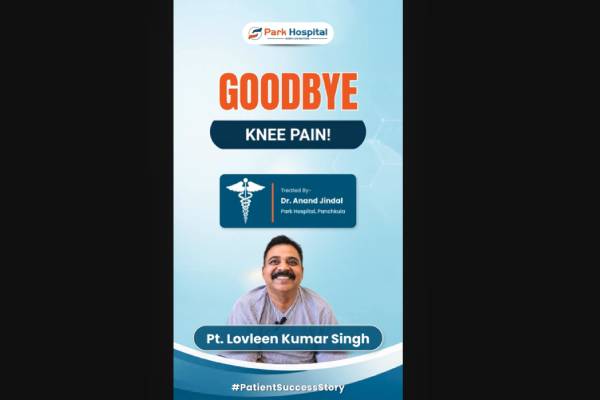
Goodbye Knee Pain! | Advanced Knee Replacement | Dr. Anand Jindal | Park Hospital Panchkula
Chronic knee pain can affect your mobility and quality of life. Advanced knee replacement surgery can help you move comfortably and regain confidence.
Dr. Anand Jindal
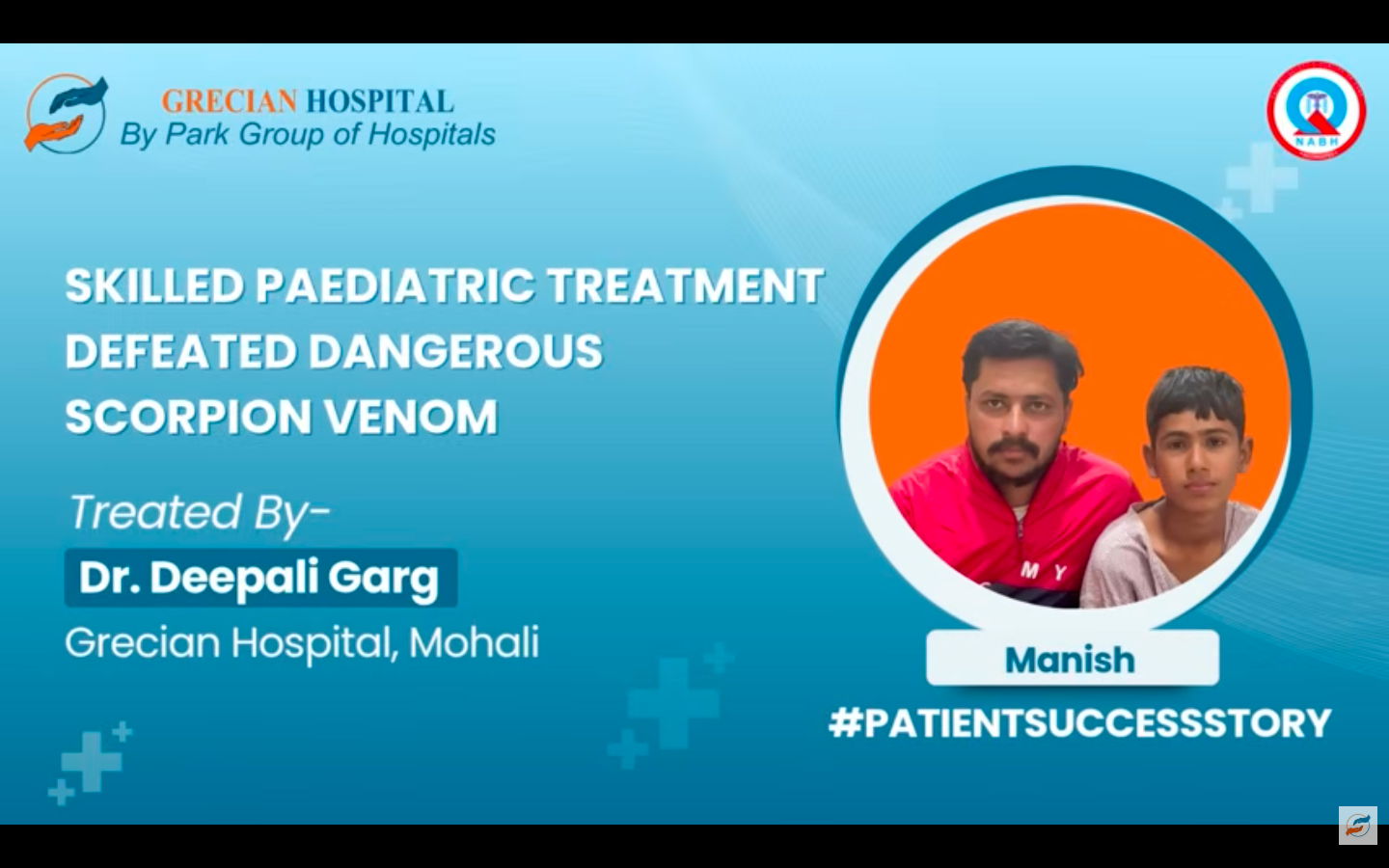
Expert Paediatric Care Defeats Scorpion Venom
A child suffering from a dangerous scorpion sting was successfully treated through timely intervention and expert pediatric care. Prompt diagnosis, critical monitoring, and specialized treatment ensured a safe recovery and positive outcome.
Dr. Milan Arora


















Our Hospital Locations
Healing Near You
Experience world-class clinical expertise and compassionate care at our advanced facilities conveniently located across the region
View AllHealth Tips
Expert Advice for Healthy Life


Frequently Asked Questions
Common questions answered by our experts
A dentist can evaluate problems affecting the teeth, gums and other structures of the mouth. Common concerns include toothache, sensitivity, cavities, bleeding or swollen gums, persistent bad breath, loose or damaged teeth, changes in the mouth or difficulty chewing. Regular dental examinations can also identify problems before they cause noticeable symptoms. Persistent pain, swelling, bleeding or changes that do not resolve should be evaluated rather than managed only with home remedies.
The appropriate frequency of dental visits varies depending on your oral health, risk of cavities or gum disease, age, medical history and previous dental problems. Some people may need check-ups more frequently, while others may be able to visit less often. During routine appointments, the dentist can examine the teeth and gums, identify early problems and recommend preventive care. Rather than following a fixed schedule for everyone, discuss with your dentist how often you need an examination and professional cleaning.
Treatment depends on how advanced the problem is. Early tooth decay may sometimes be managed with fluoride and improved oral hygiene, while cavities that have formed may require a filling. More extensive decay can affect the inner tooth and may require root canal treatment or extraction. Gum disease is generally managed by improving oral hygiene and removing plaque and tartar through professional cleaning; more advanced disease may require deep cleaning or periodontal treatment. Regular follow-up helps monitor the response to treatment.
A root canal may be recommended when the pulp, the soft tissue inside a tooth containing nerves and blood vessels, becomes inflamed or infected and cannot recover on its own. This can happen because of deep decay, repeated dental procedures, cracks or trauma. During treatment, the infected or damaged pulp is removed, the inside of the tooth is cleaned and sealed, and the tooth is typically restored to protect its function. Treating the tooth can help relieve symptoms and avoid extraction when the tooth can be saved.
Good oral hygiene is central to preventing many dental problems. Brush your teeth twice a day with fluoride toothpaste and clean between your teeth regularly using floss or another recommended interdental aid. Limit frequent consumption of sugary foods and drinks, and avoid tobacco products. Regular dental examinations and professional cleanings can help detect problems early and manage plaque or tartar that cannot be removed effectively at home. Fluoride exposure, appropriate to your individual needs, can also help strengthen teeth and reduce the risk of decay.
Extraction may be considered when a tooth is severely damaged or decayed and cannot be predictably restored, or in situations such as certain impacted wisdom teeth, advanced gum disease or other dental conditions. Dental surgery may also be needed for specific problems involving the teeth, gums or jaw. Whenever possible, dentists generally consider whether a natural tooth can be preserved through restorative treatment. The recommended approach depends on the condition of the tooth, surrounding tissues, symptoms and overall oral health.
Sudden tooth pain or swelling should be assessed by a dentist, particularly if it is severe, persistent or worsening. It may be caused by decay, infection, trauma or another dental problem requiring treatment. Do not place aspirin directly on the tooth or gum, as this can damage the tissue. If swelling is accompanied by difficulty breathing or swallowing, swelling of the face or neck, or significant systemic illness, seek emergency medical attention immediately, as these can be signs of a serious infection.