Critical Care
Critical Care in India
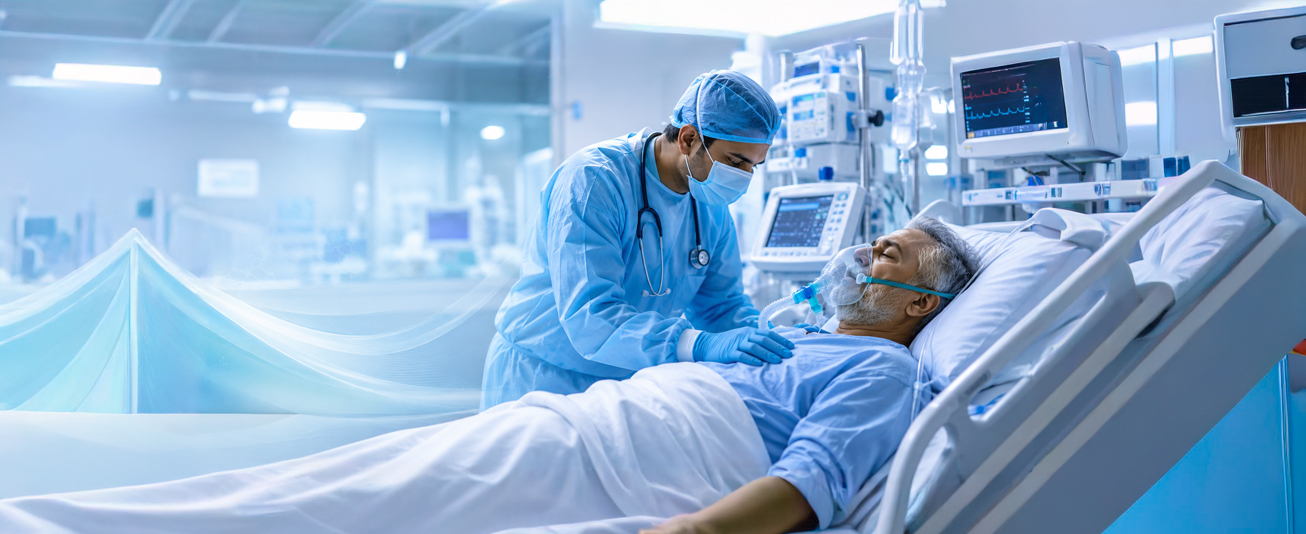
In the most critical moments, the quality of care can mean the difference between life and death. At Park Hospitals, our Department of Critical Care delivers intensive, round-the-clock medical care for the most seriously ill patients, staffed, equipped, and organised to respond with the expertise and speed that life-threatening conditions demand.
Our intensive care unit operates as a closed-model ICU, led by dedicated intensivists present in the unit 24 hours a day. This model is associated with significantly better patient outcomes and ensures that all care is coordinated and clinically led by the critical care team. Our intensivists work in close collaboration with specialists across every department to ensure seamless, expert management of every critically ill patient.
We manage respiratory failure requiring mechanical ventilation, septic shock, multi-organ dysfunction, post-operative critical illness, acute cardiac and renal failure, severe neurological insults, polytrauma, and major haemorrhage. Advanced monitoring, invasive haemodynamic monitoring, cardiac output measurement, continuous EEG, provides real-time physiological data to guide every management decision.
Family communication is a core element of our philosophy with regular, honest, compassionate updates about condition, treatment, and prognosis. Post-ICU rehabilitation addressing the physical, cognitive, and psychological sequelae of critical illness is integrated into every patient's recovery pathway. At Park Hospitals, critical care is intensive medicine and intensive humanity delivered together.
Diseases and Procedures
Advanced Treatments For Every Disease
1 Respiratory Failure
Respiratory failure is a serious medical condition that occurs when the lungs are unable to provide adequate oxygen to t Read More
2 Sepsis
Sepsis is a life-threatening medical condition that occurs when the body's response to an infection becomes dysregulated Read More
3 Trauma (e.g., Fractures, Burns)
Trauma refers to physical injuries caused by sudden external forces such as road traffic accidents, falls, workplace inc Read More
Meet Our Experts
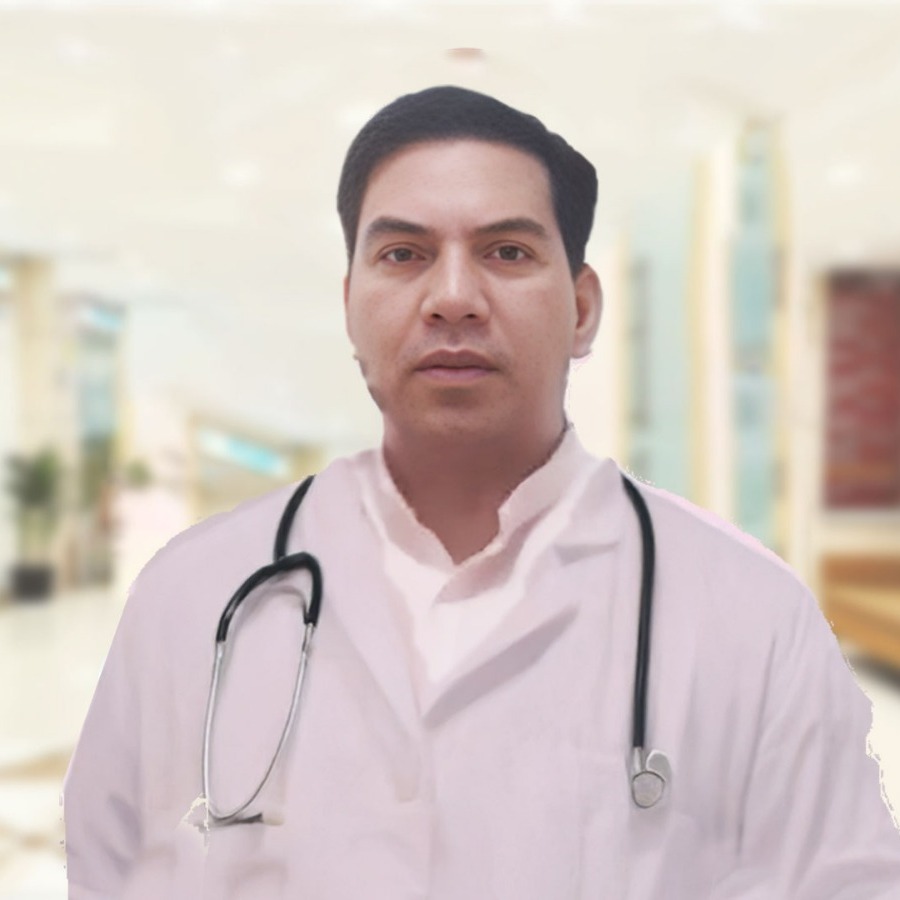
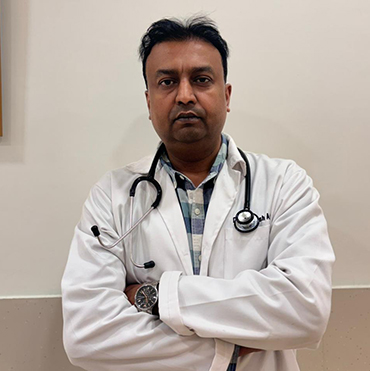
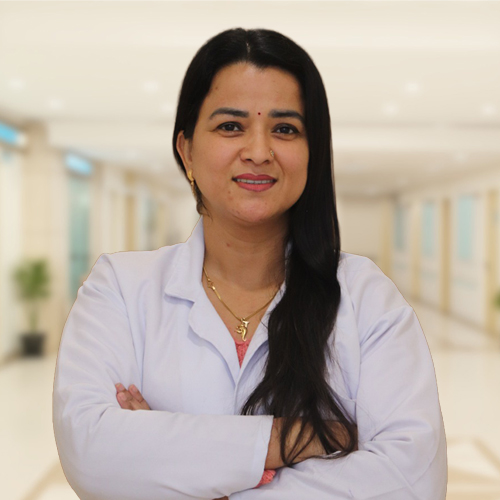
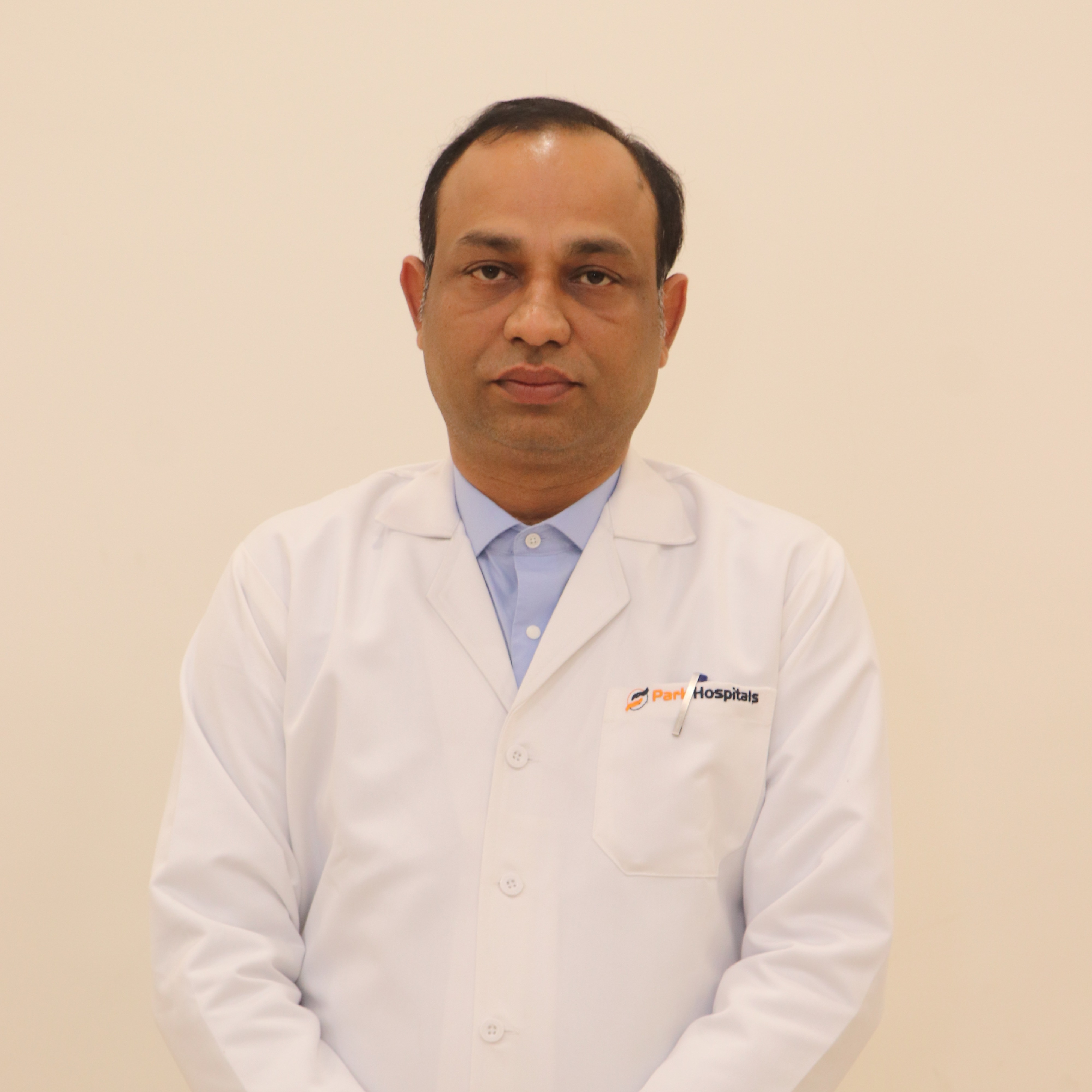
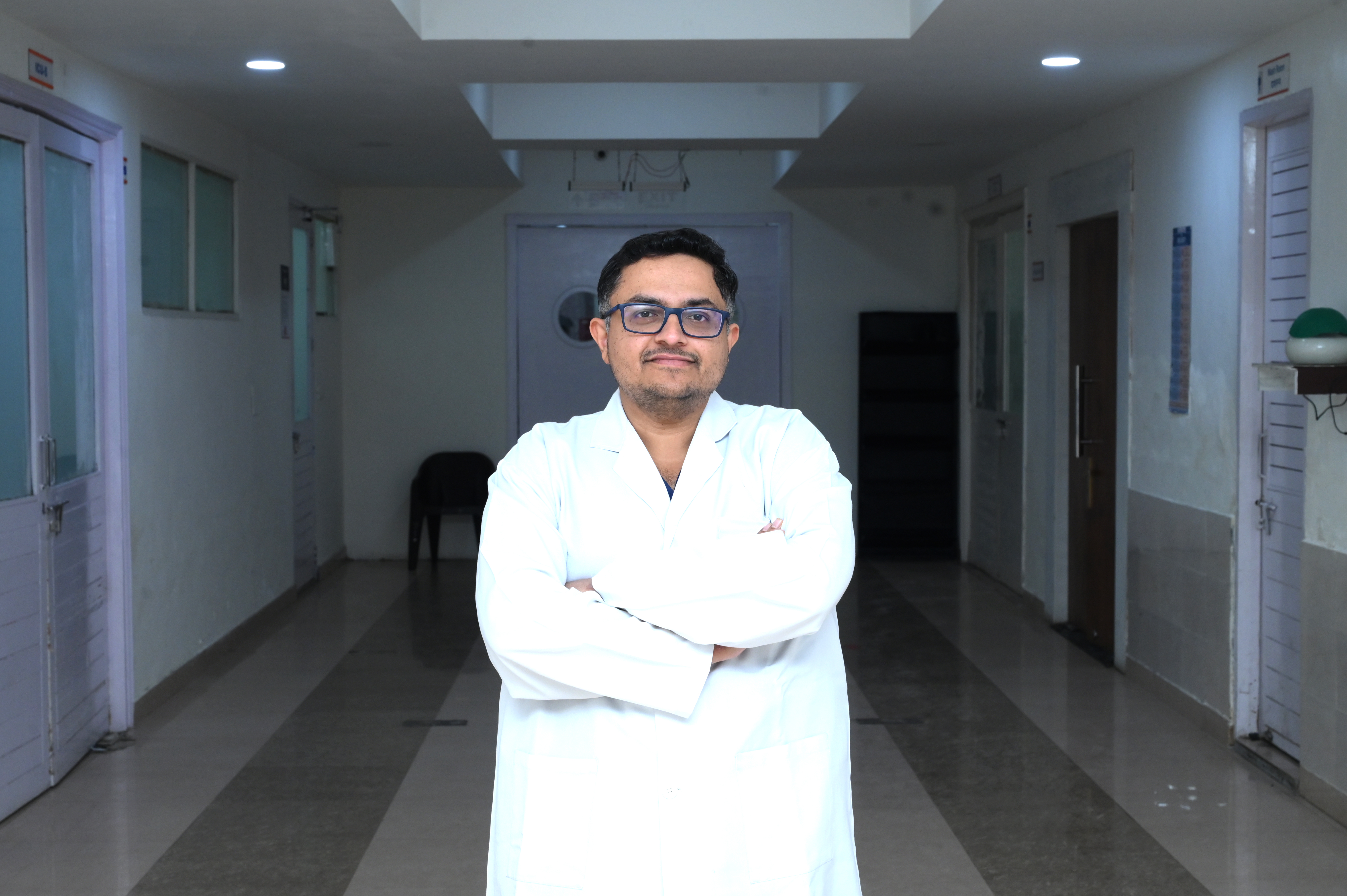
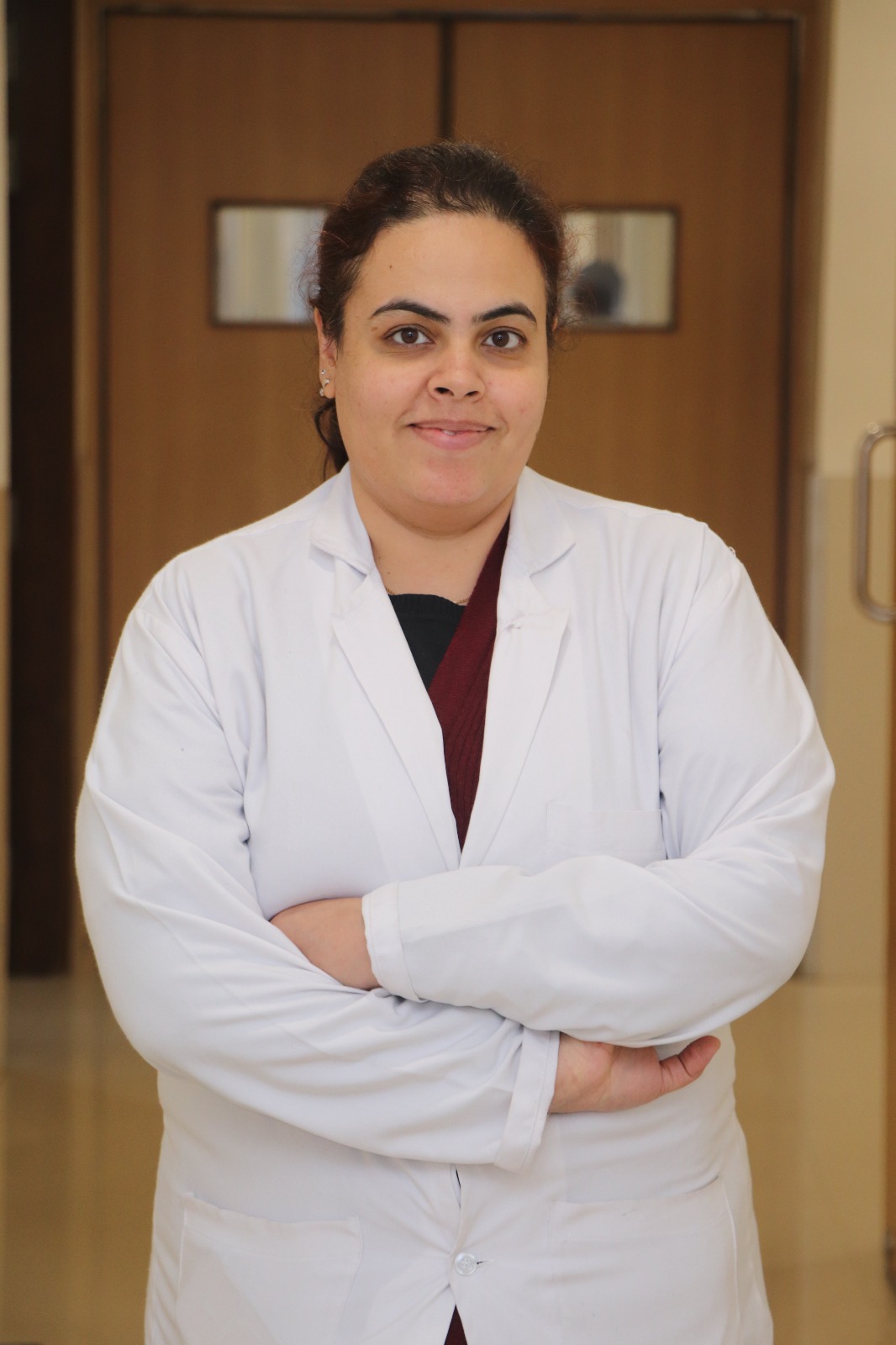
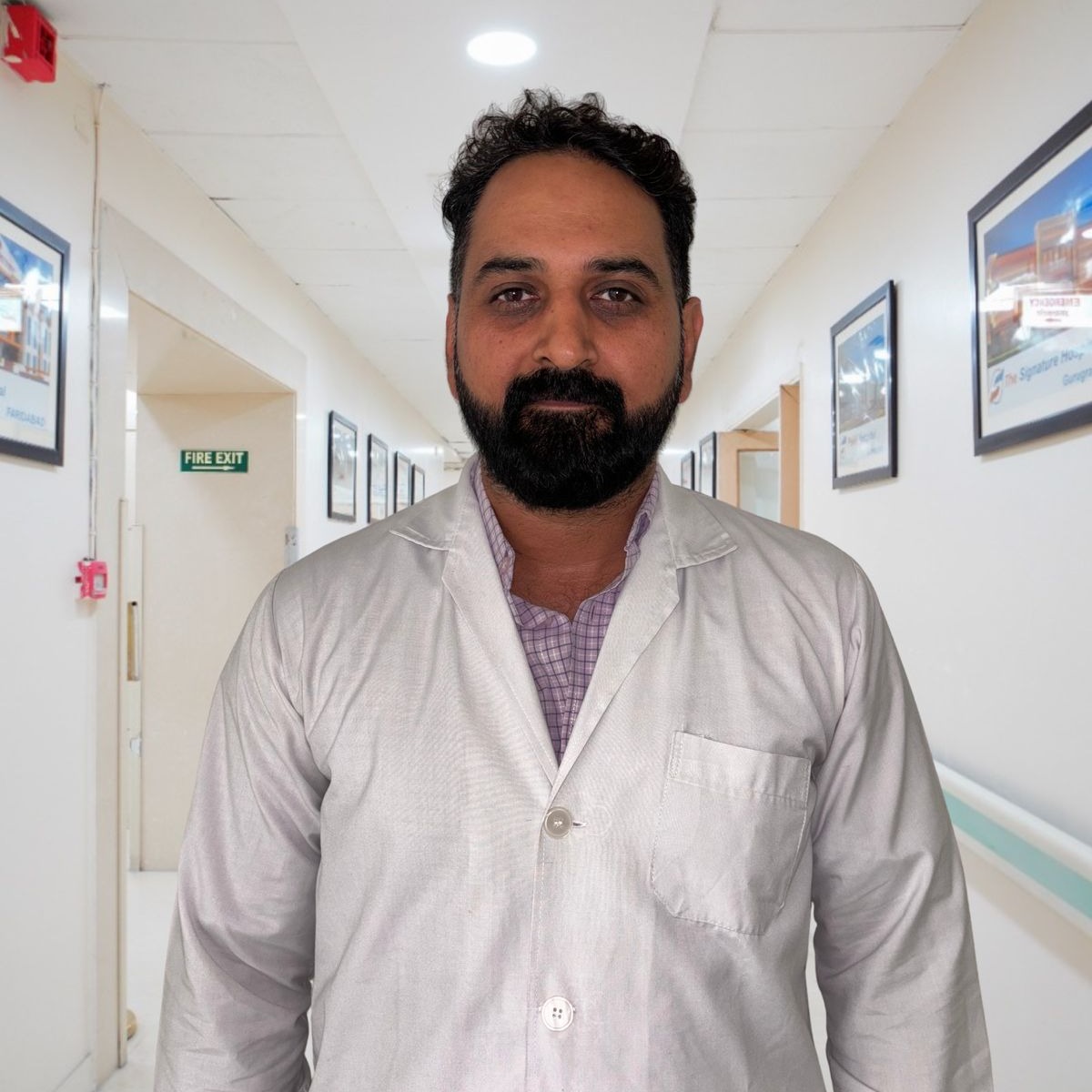
Experienced Clinical Leaders
Consult with our highly skilled specialists dedicated to providing world-class medical expertise and personalized treatment plans.
Find A Doctor






.jpg)
























Patient Testimonials
Stories Reflecting Excellence in Patient Care
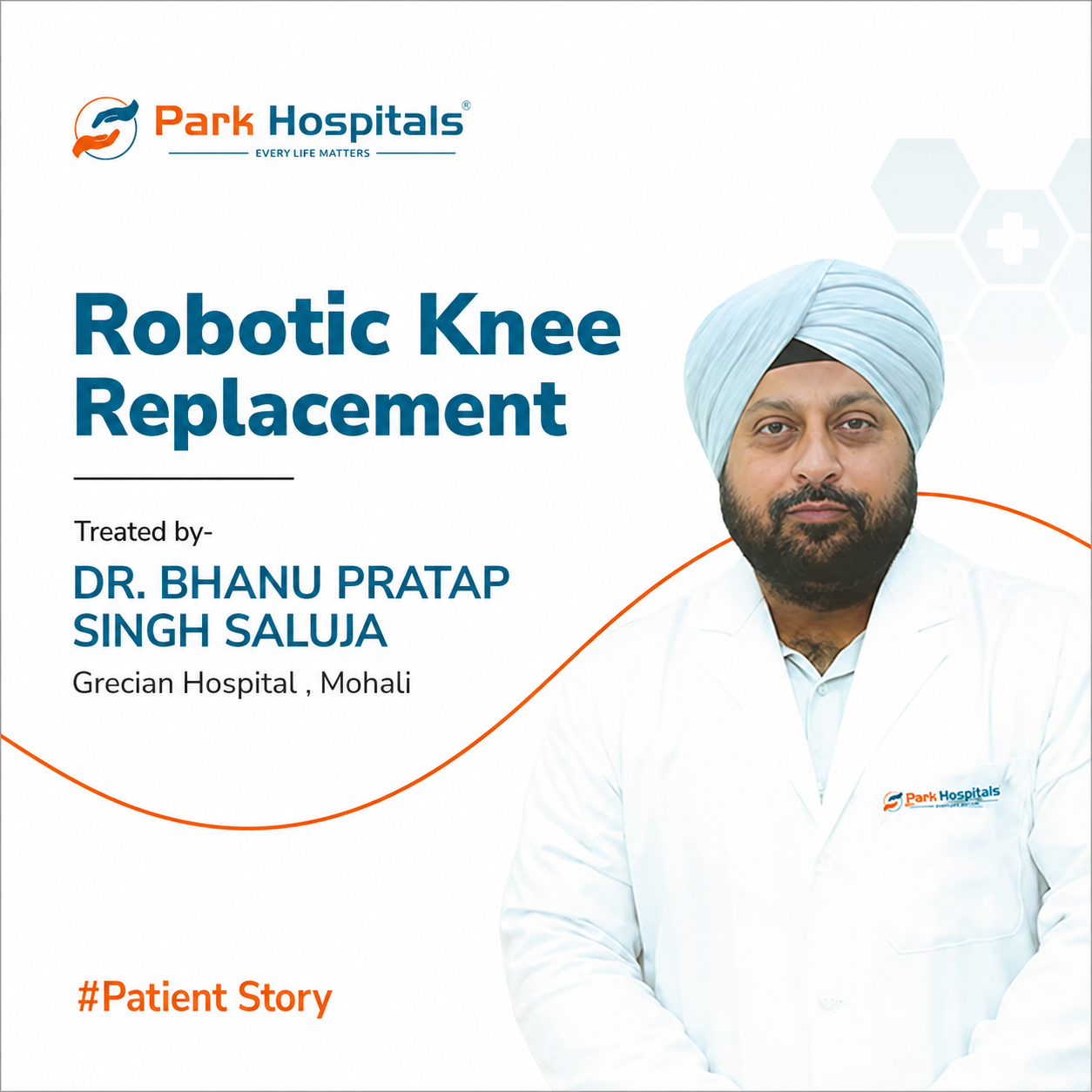
Robotic Knee Replacement Success Story
A patient regained mobility and confidence through successful robotic knee replacement surgery. Advanced robotic technology, expert orthopedic care, and personalized rehabilitation helped reduce pain, improve movement, and enhance overall quality of life.
Know More
Pain-Free Walking After Total Knee Replacement
Following a successful Total Knee Replacement (TKR), the patient regained mobility and confidence. Expert orthopedic care, advanced surgical techniques, and rehabilitation support helped achieve pain-free walking and an improved quality of life.

Goodbye Knee Pain! | Advanced Knee Replacement | Dr. Anand Jindal | Park Hospital Panchkula
Chronic knee pain can affect your mobility and quality of life. Advanced knee replacement surgery can help you move comfortably and regain confidence.
Dr. Anand Jindal
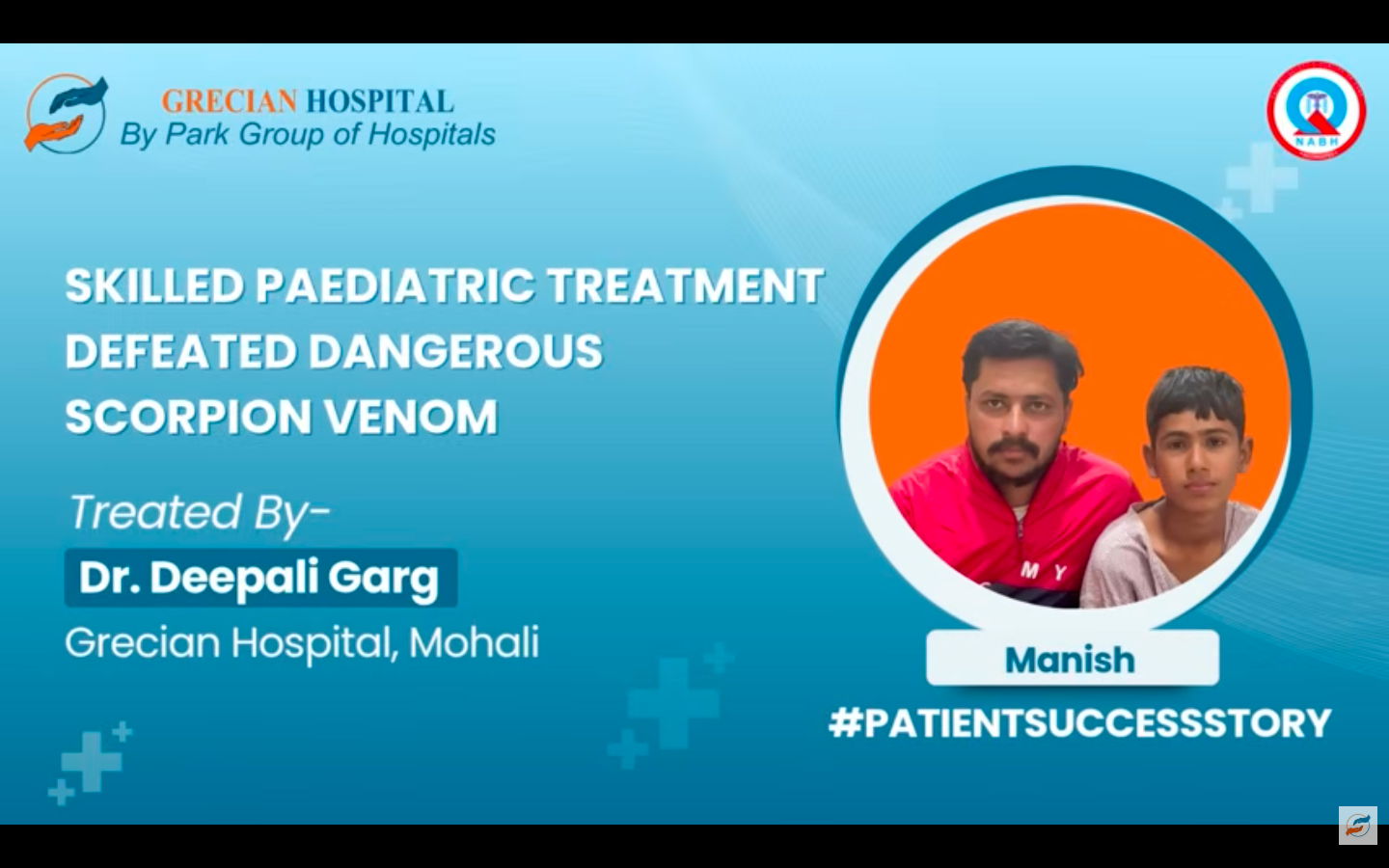
Expert Paediatric Care Defeats Scorpion Venom
A child suffering from a dangerous scorpion sting was successfully treated through timely intervention and expert pediatric care. Prompt diagnosis, critical monitoring, and specialized treatment ensured a safe recovery and positive outcome.
Dr. Milan Arora














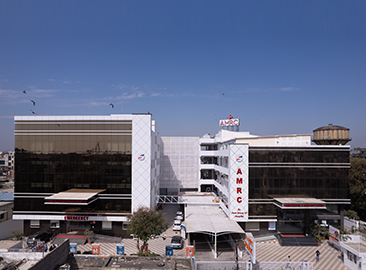



Our Hospital Locations
Healing Near You
Experience world-class clinical expertise and compassionate care at our advanced facilities conveniently located across the region
View AllHealth Tips
Expert Advice for Healthy Life


Frequently Asked Questions
Common questions answered by our experts
Critical care is specialized medical care for people who are seriously ill, injured or recovering from major surgery and require close monitoring or advanced treatment. Patients may need intensive care when one or more vital organs are not functioning adequately or when their condition could deteriorate rapidly. Critical care teams provide continuous monitoring and treatments that support essential body functions while addressing the underlying illness. Care is individualized according to the patient's condition, treatment needs and response.
Critical care may be needed for severe infections such as sepsis, serious breathing problems, major injuries, heart attacks, strokes, severe bleeding, organ failure or complications following major surgery. Patients may also require intensive care after certain complex procedures or when a chronic condition becomes critically worse. The need for ICU care is determined by the severity and stability of the patient's condition and whether they require monitoring or treatments that cannot be safely provided in a regular hospital unit.
ICU admission may be recommended when a patient needs continuous monitoring, specialized treatment or support for vital organ function. This may occur when breathing, circulation, blood pressure, consciousness or other essential functions become unstable, or when there is a high risk of rapid deterioration. Patients recovering from major surgery or complex procedures may also require temporary intensive monitoring. The decision is based on the patient's clinical condition, the level of support required and the availability of appropriate care in other hospital settings.
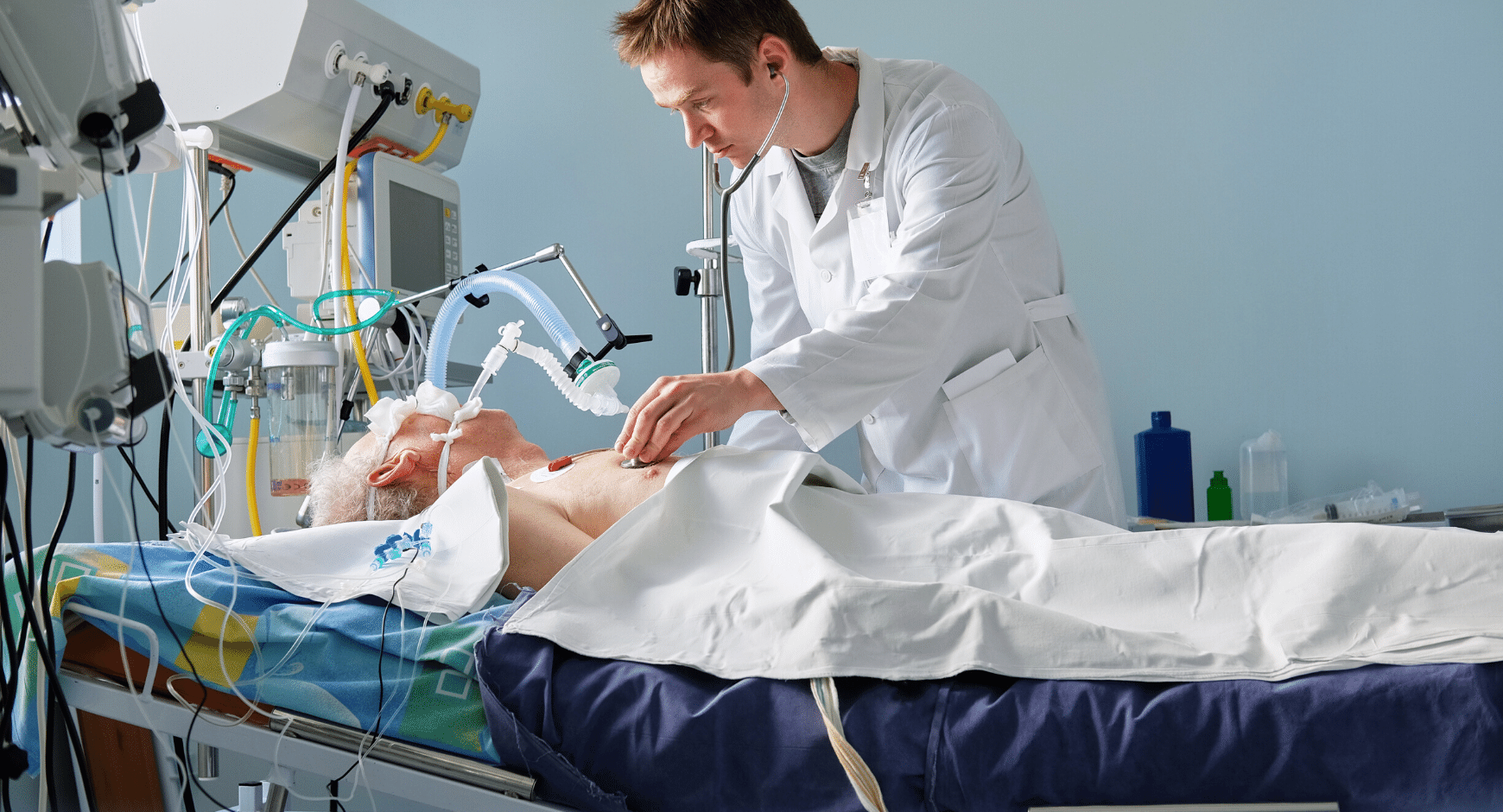
Critical care involves continuous or frequent monitoring of vital functions such as heart rate, blood pressure, breathing, oxygen levels and temperature. Depending on the illness, patients may require oxygen therapy, mechanical ventilation, medicines to support blood pressure or heart function, intravenous fluids, blood products or kidney support such as dialysis. Specialized monitoring may also be used to assess organ function and response to treatment. The specific therapies depend on which organs are affected and how severely they are affected.
Critical care is delivered by a multidisciplinary team that may include intensivists, nurses, respiratory therapists, pharmacists, dietitians and other specialists. The team continuously monitors the patient's condition, identifies changes early and adjusts treatment as needed. At the same time, doctors address the underlying cause of the critical illness, such as infection, injury or organ failure. Supportive measures are used to protect organ function, prevent complications and promote recovery. Treatment plans are reassessed frequently as the patient's condition changes.
Families can provide valuable information about the patient's medical history, medicines, preferences and usual health. With appropriate consent, family members can also participate in discussions about the patient's condition, treatment goals and care decisions. Critical illness can be stressful and uncertain, so the care team should help families understand what is happening, what treatments are being used and what to expect. Families should also communicate important changes or concerns and make use of available support during the ICU stay.
Recovery after critical illness can continue after leaving the ICU and may take time. Some patients experience weakness, fatigue, sleep problems, changes in appetite, difficulty concentrating or emotional distress during recovery. The extent and duration of these effects vary depending on the illness, treatments and length of hospitalization. Follow-up care may include physical rehabilitation, nutritional support, medication review and monitoring for ongoing medical or emotional needs. Recovery is often gradual, and patients may require continued support as they return to everyday activities.