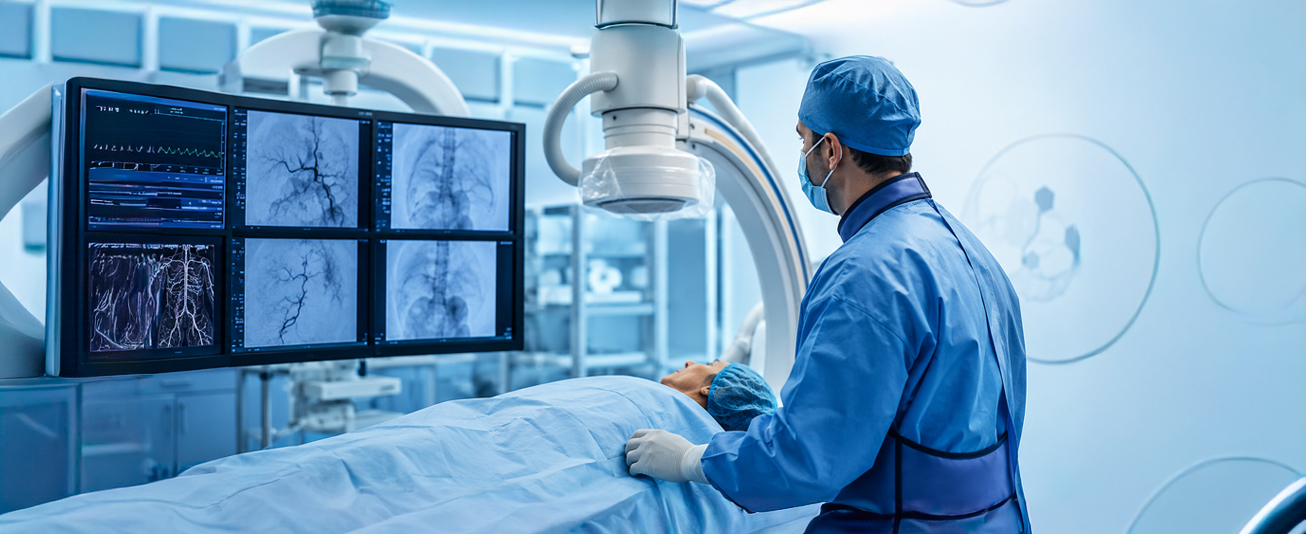
Intervention Radiology & Imaging
Radiology Centre in India
Modern medicine depends fundamentally on the ability to see inside the human body, accurately, safely, and in remarkable detail. At Park Hospitals, our Department of Interventional Radiology & Imaging provides the full spectrum of diagnostic and therapeutic radiological services from routine imaging to complex image-guided interventions that offer patients minimally invasive alternatives to open surgery.
Our diagnostic imaging department is equipped with 3T MRI, 128-slice CT, digital X-ray, digital mammography, bone densitometry, and high-resolution Doppler ultrasound. Subspecialty-trained radiologists provide detailed, prompt reporting across all modalities in neuroradiology, musculoskeletal, breast, cardiac, and body imaging.
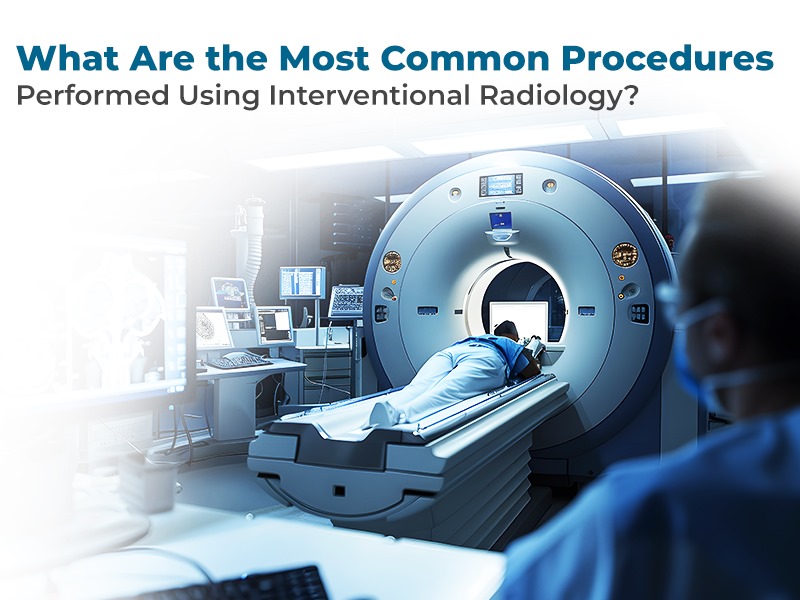
Interventional radiology enables treatment of many conditions that previously required open surgery through image-guided, catheter-based techniques. Our interventional programme covers angioplasty and stenting for peripheral arterial disease, uterine fibroid embolisation, tumour chemoembolisation, percutaneous nephrostomy, biliary drainage, image-guided biopsy, radiofrequency ablation, and endovenous laser for varicose veins.
Our breast imaging programme provides screening and diagnostic mammography, breast ultrasound, MRI, and image-guided biopsy. All studies are reported by consultant radiologists, with urgent and emergency reporting available around the clock. Multidisciplinary team meetings ensure radiological findings are integrated seamlessly into treatment planning. At Park Hospitals, radiology is diagnosis, guidance, and treatment the diagnostic backbone of every clinical decision.
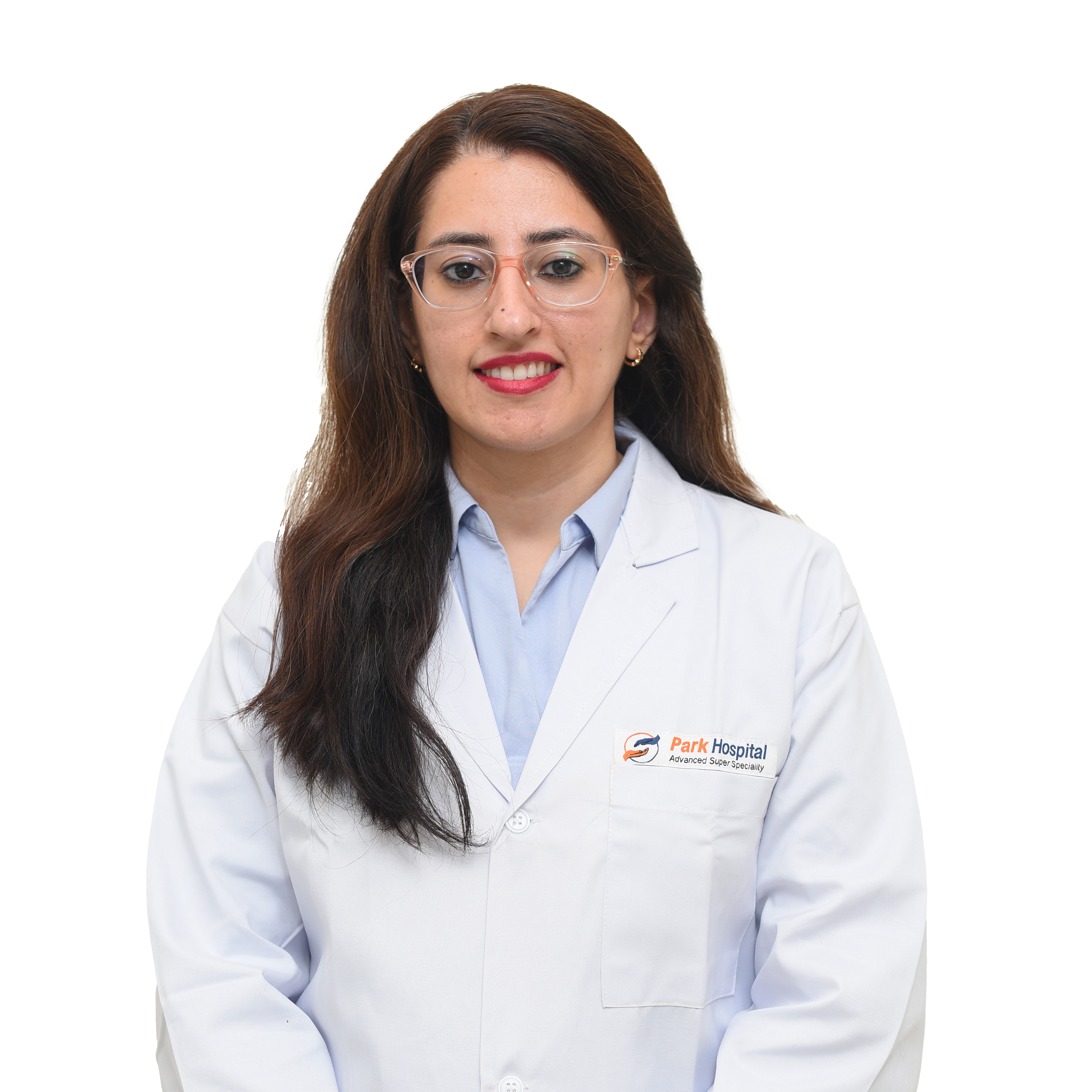
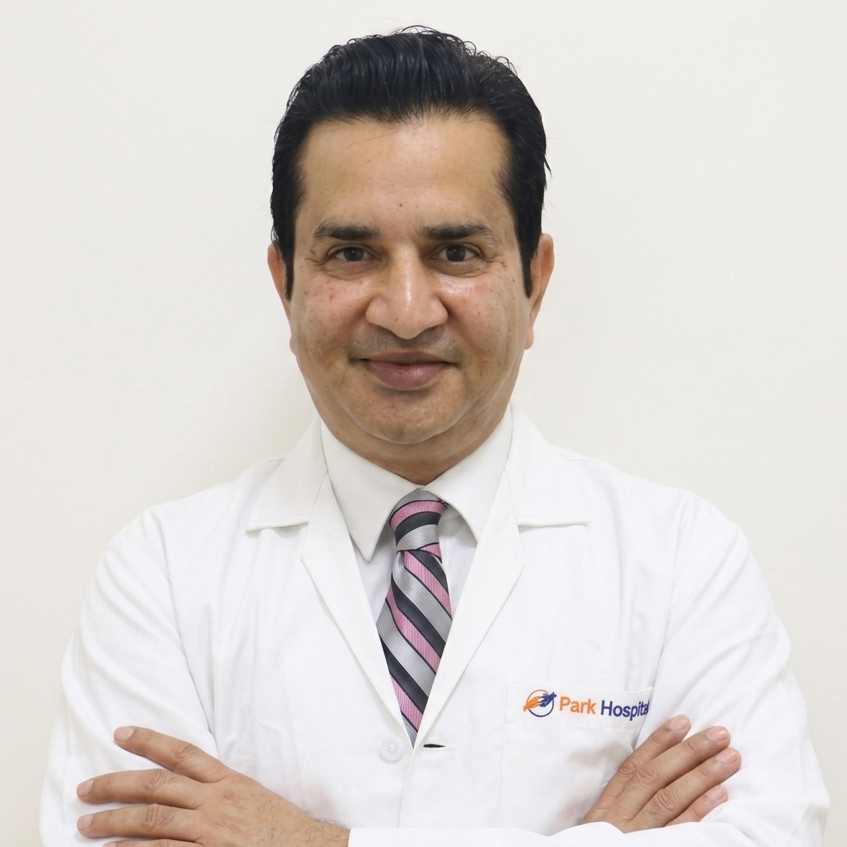
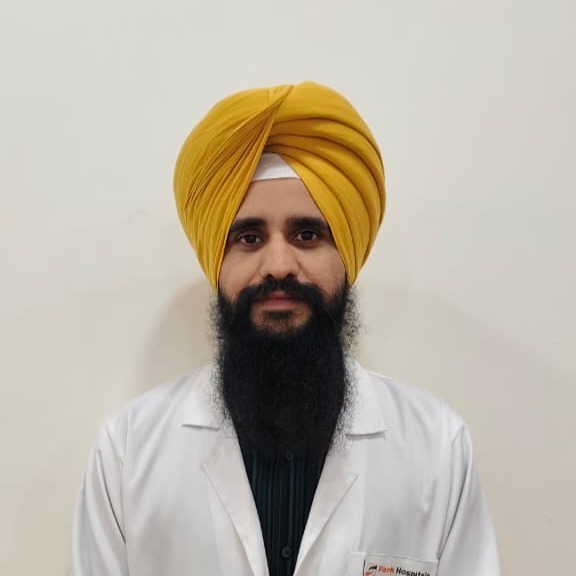
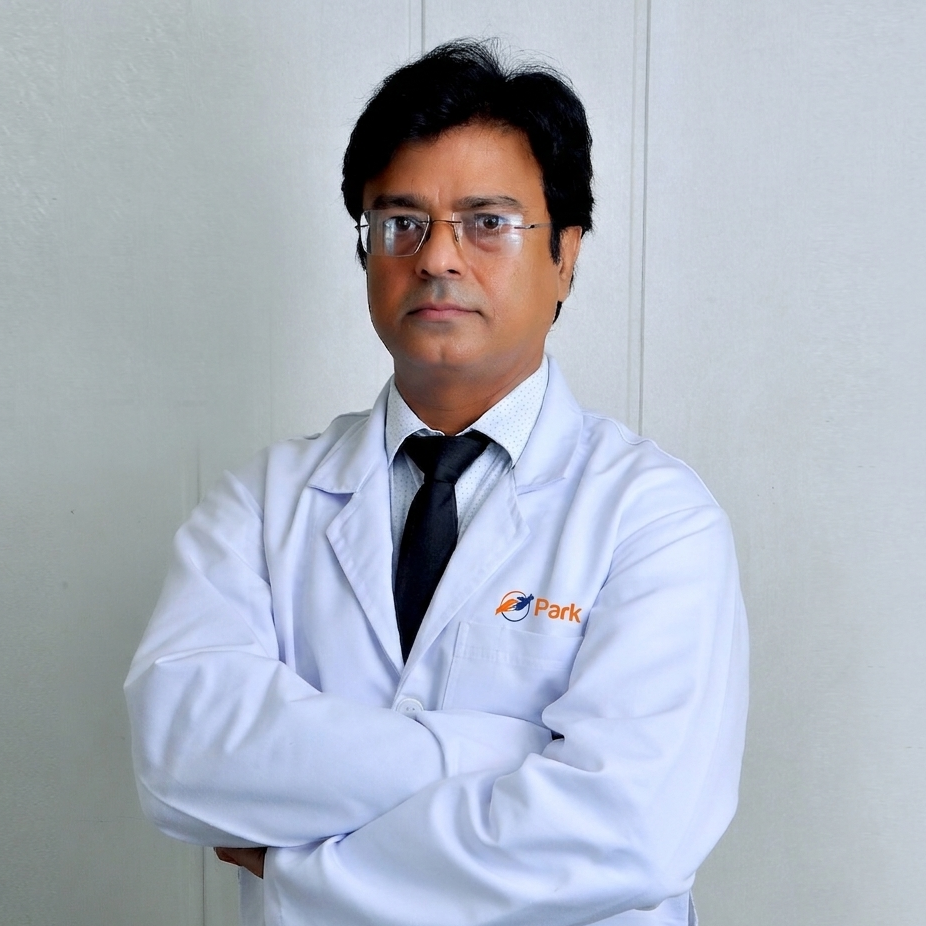
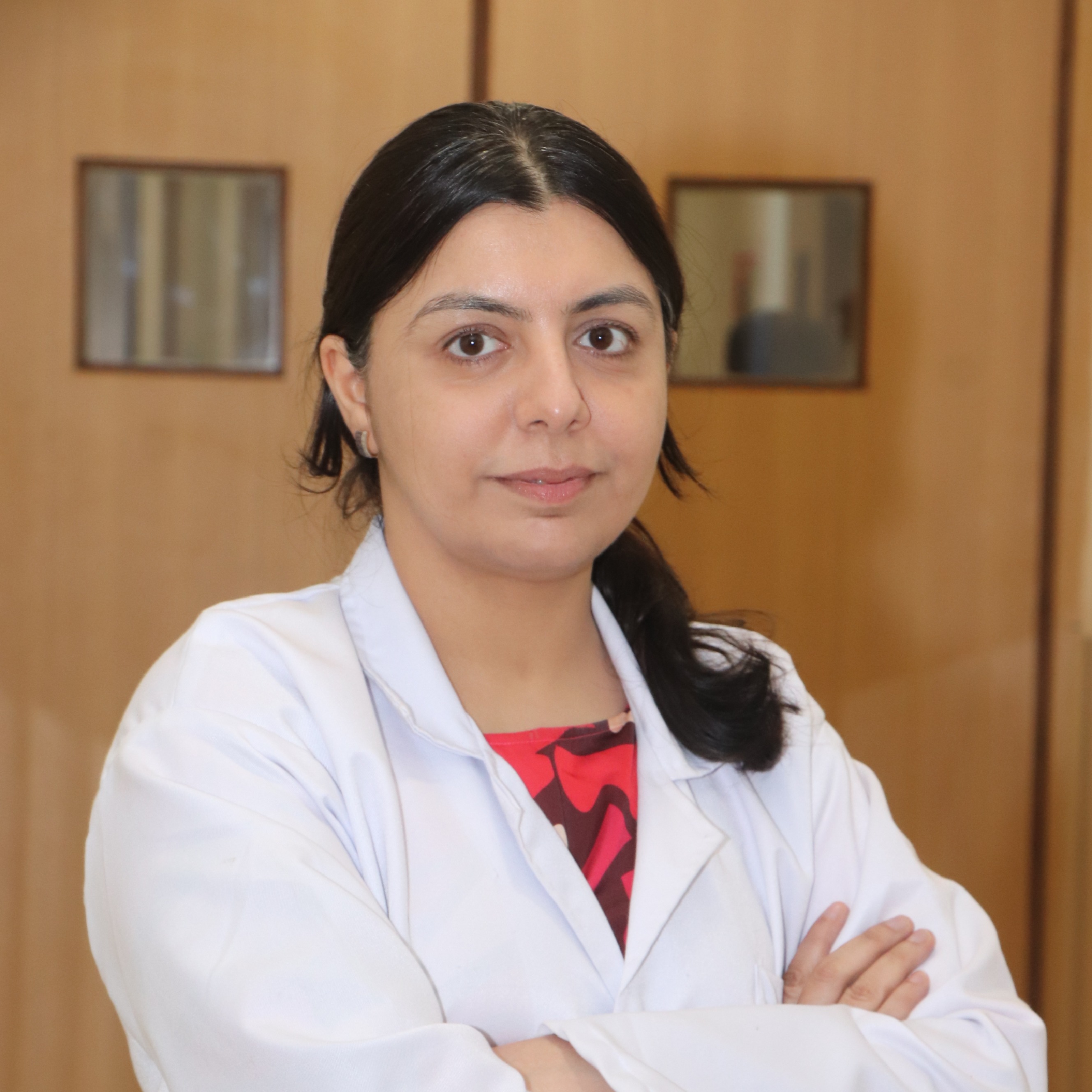
Meet Our Experts
Experienced Clinical Leaders
Consult with our highly skilled specialists dedicated to providing world-class medical expertise and personalized treatment plans.
Find A Doctor



.jpg)
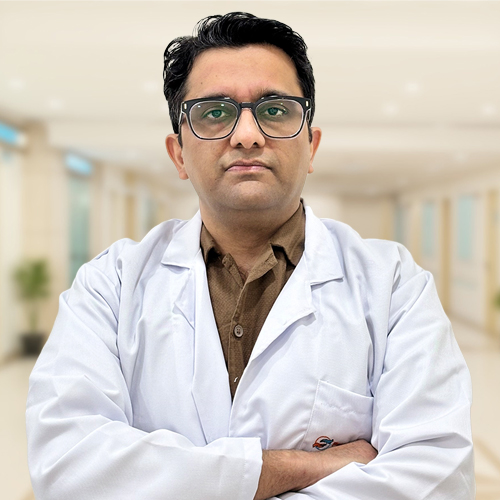
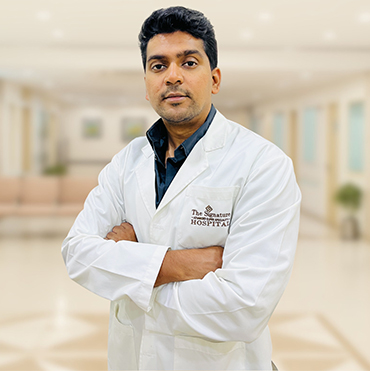
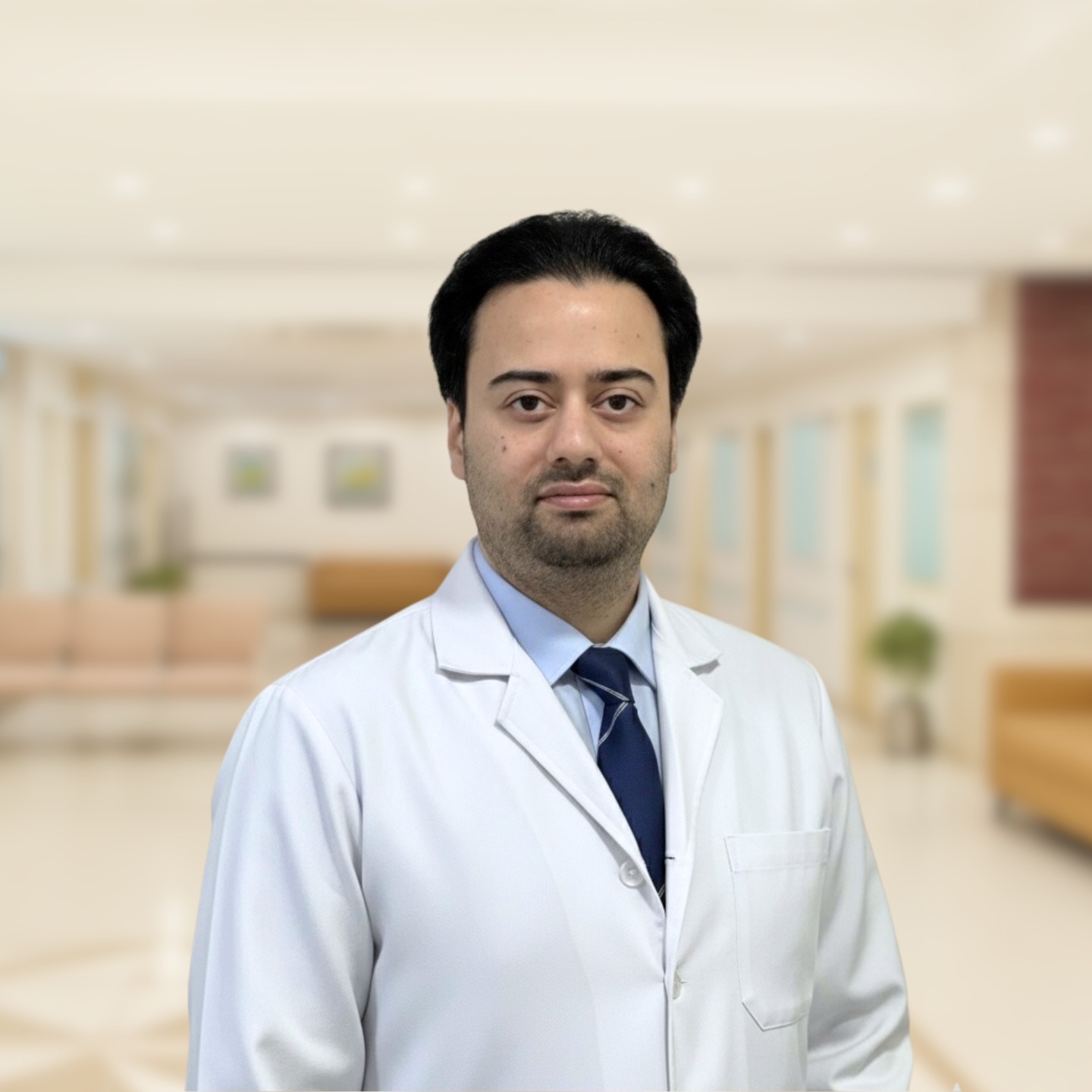
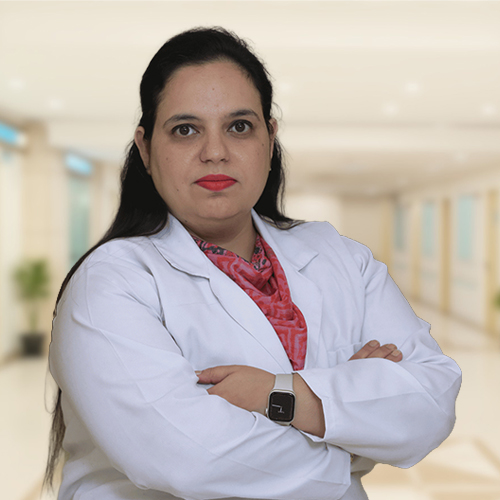
Patient Testimonials
Stories Reflecting Excellence in Patient Care
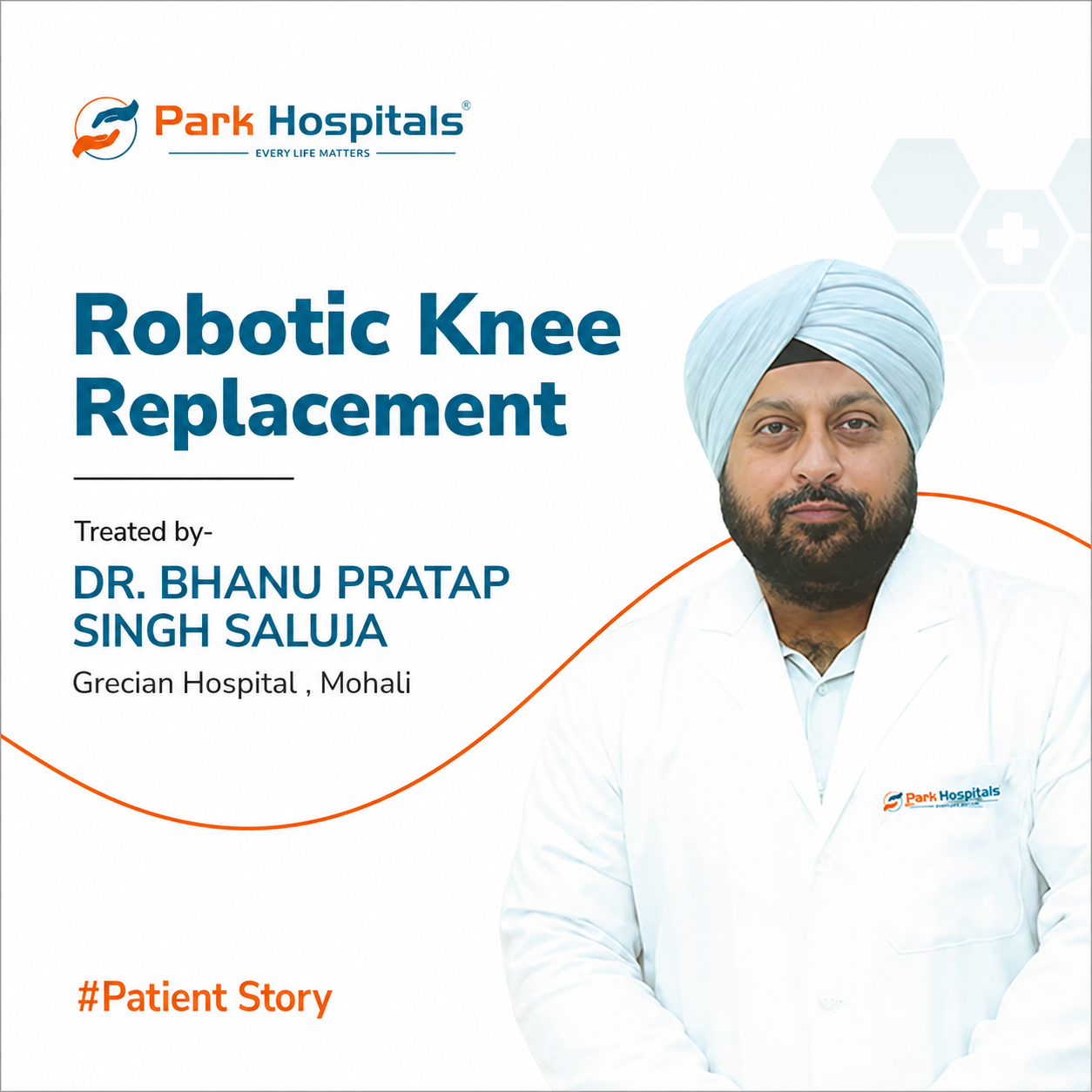
Robotic Knee Replacement Success Story
A patient regained mobility and confidence through successful robotic knee replacement surgery. Advanced robotic technology, expert orthopedic care, and personalized rehabilitation helped reduce pain, improve movement, and enhance overall quality of life.
Know More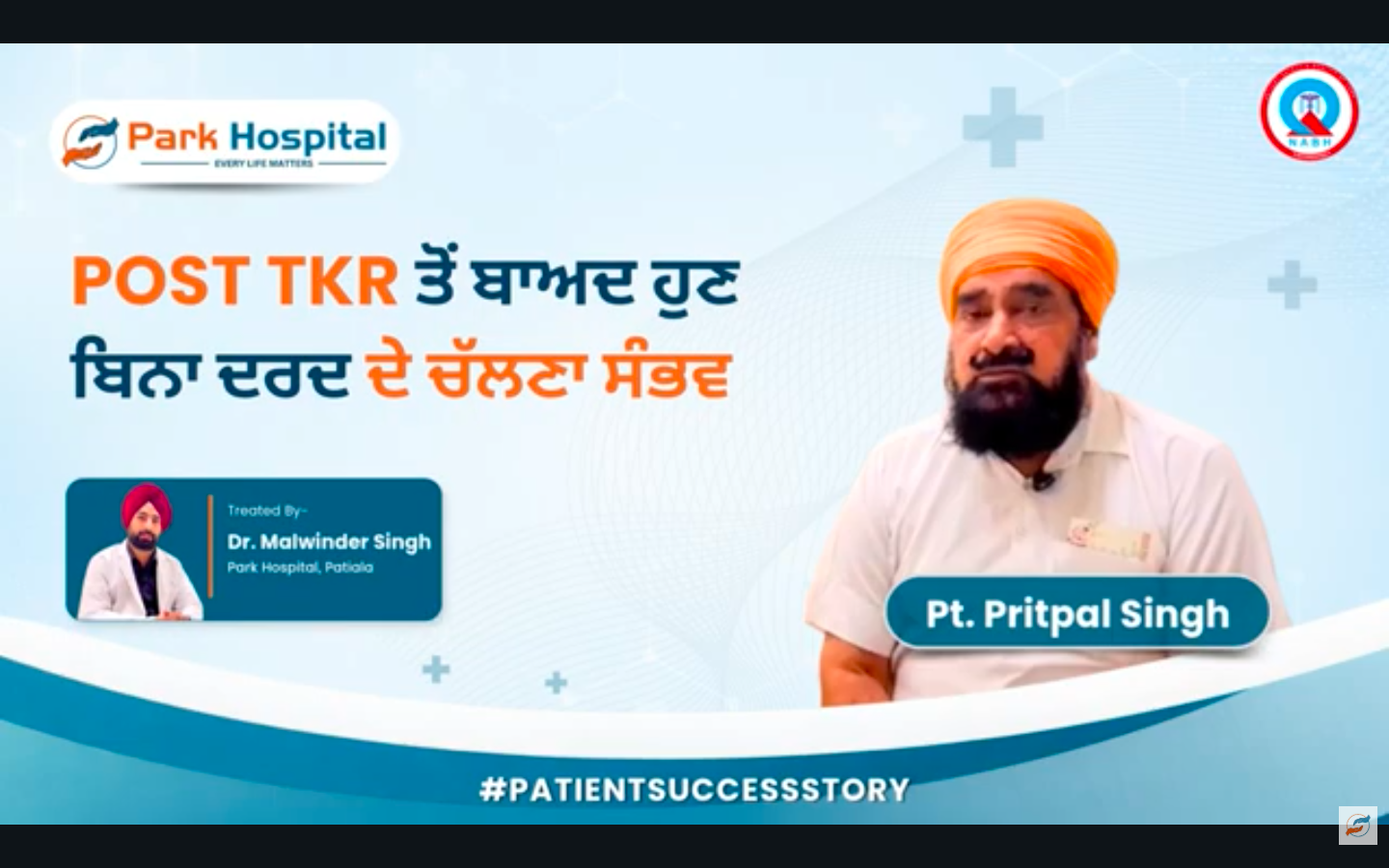
Pain-Free Walking After Total Knee Replacement
Following a successful Total Knee Replacement (TKR), the patient regained mobility and confidence. Expert orthopedic care, advanced surgical techniques, and rehabilitation support helped achieve pain-free walking and an improved quality of life.
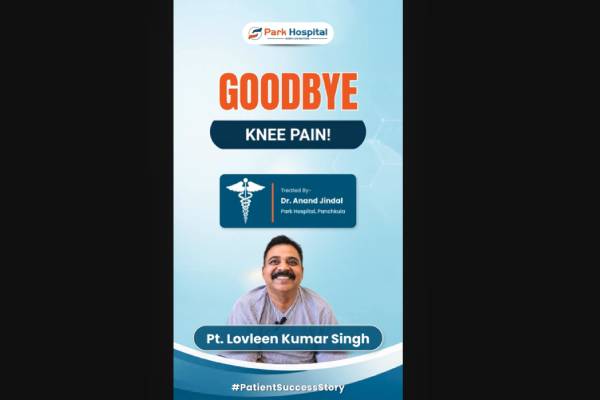
Goodbye Knee Pain! | Advanced Knee Replacement | Dr. Anand Jindal | Park Hospital Panchkula
Chronic knee pain can affect your mobility and quality of life. Advanced knee replacement surgery can help you move comfortably and regain confidence.
Dr. Anand Jindal
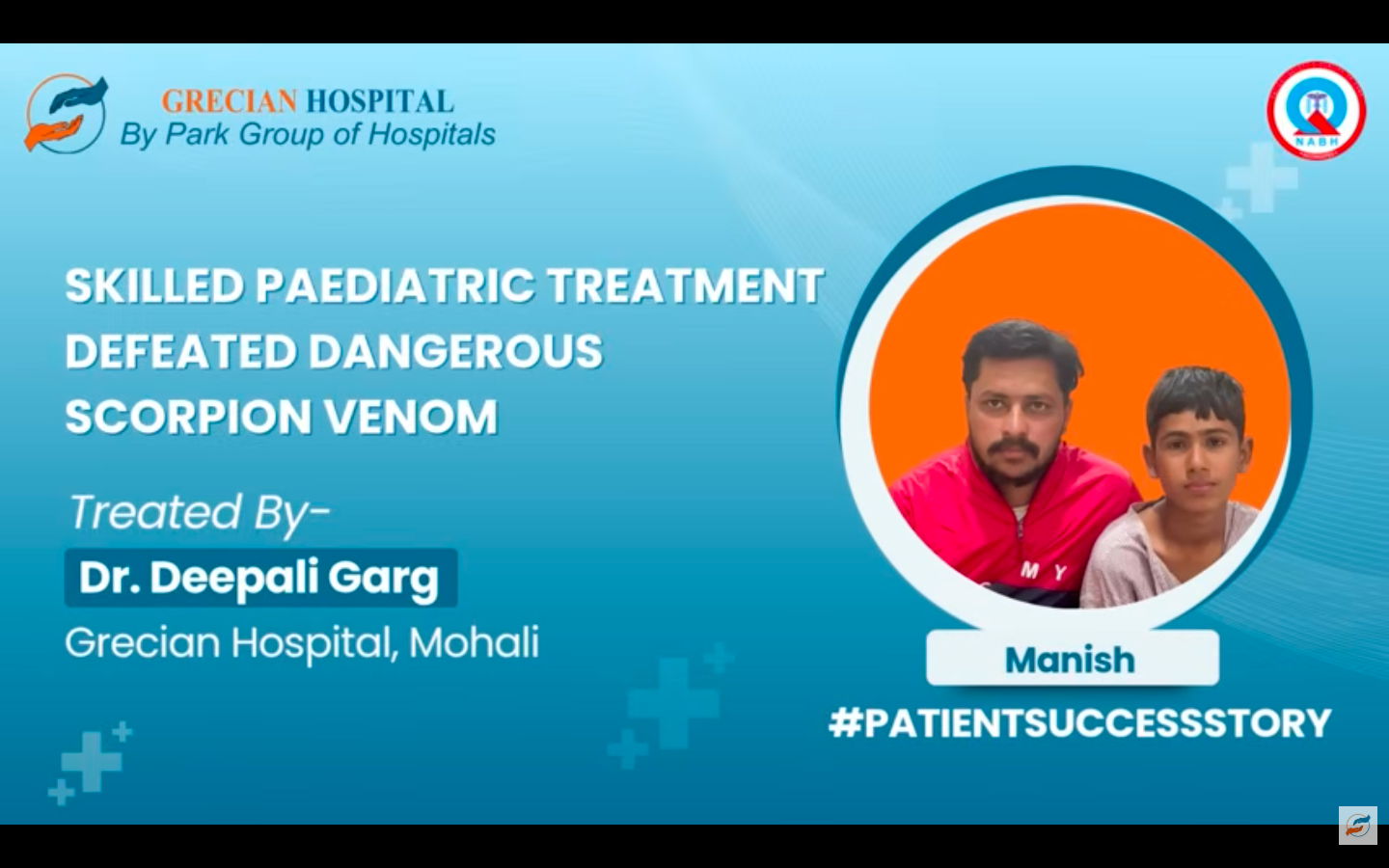
Expert Paediatric Care Defeats Scorpion Venom
A child suffering from a dangerous scorpion sting was successfully treated through timely intervention and expert pediatric care. Prompt diagnosis, critical monitoring, and specialized treatment ensured a safe recovery and positive outcome.
Dr. Milan Arora
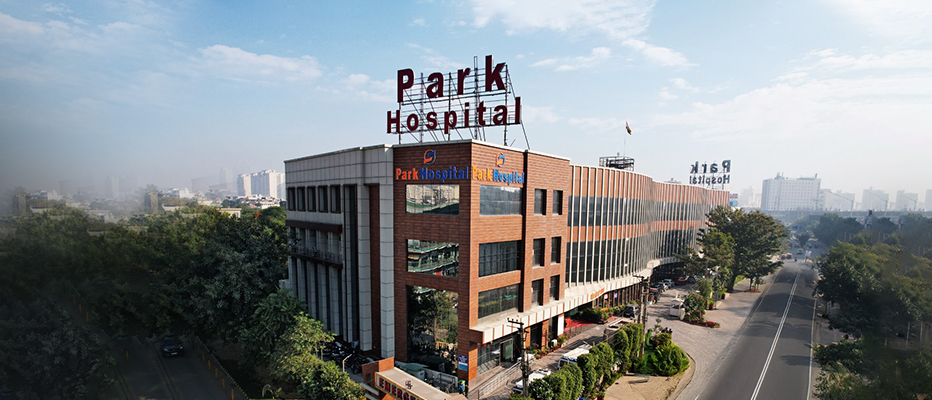

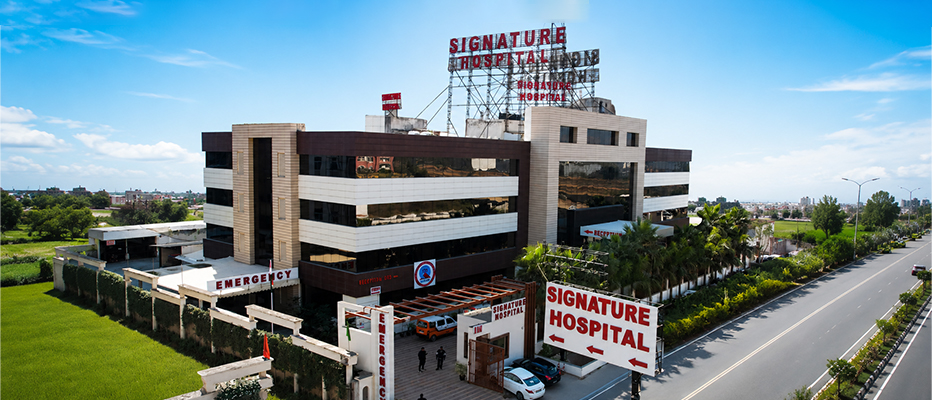
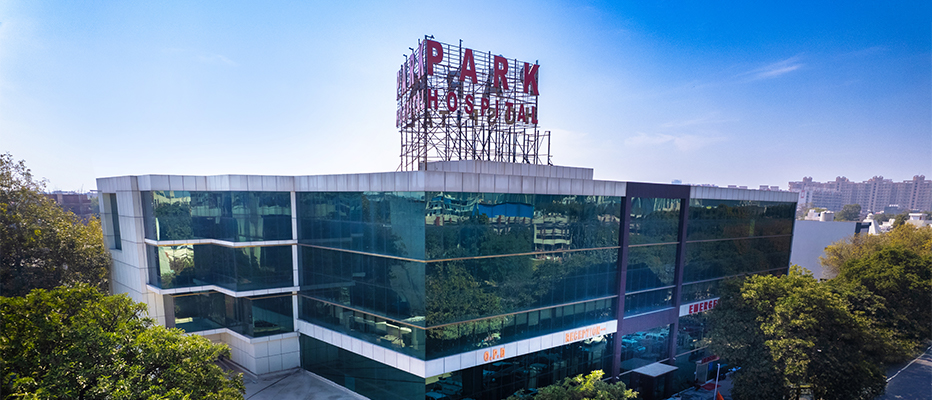
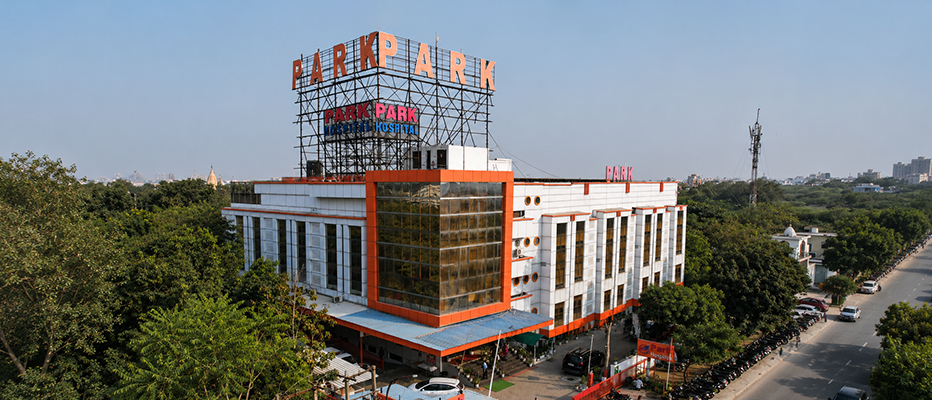
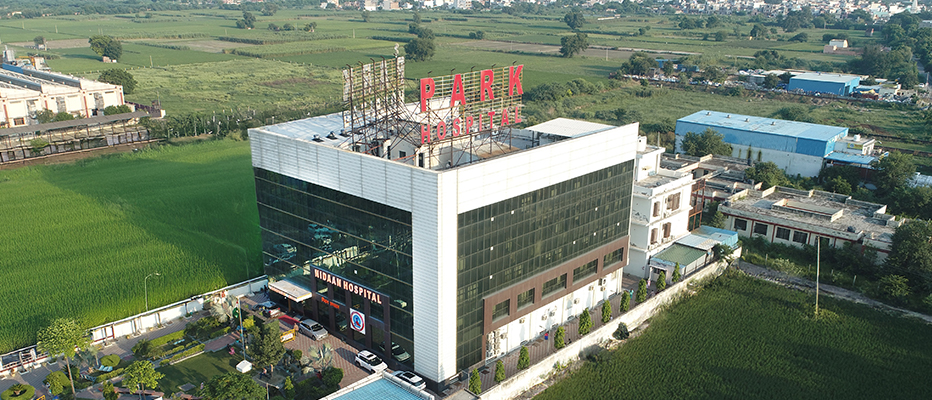
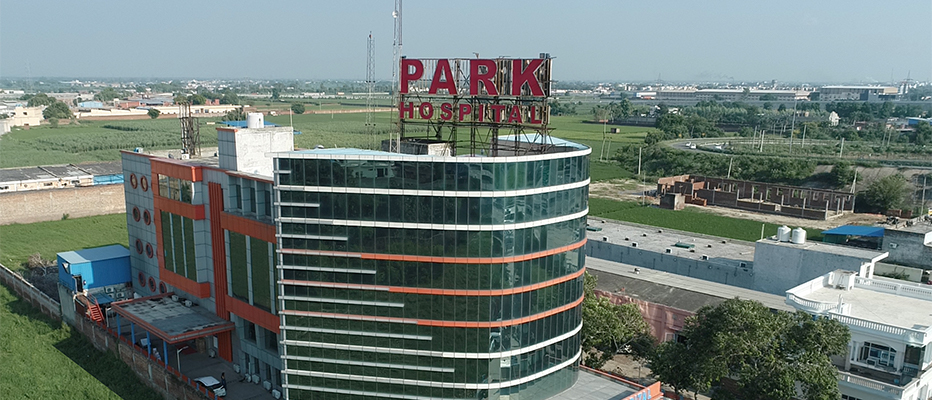
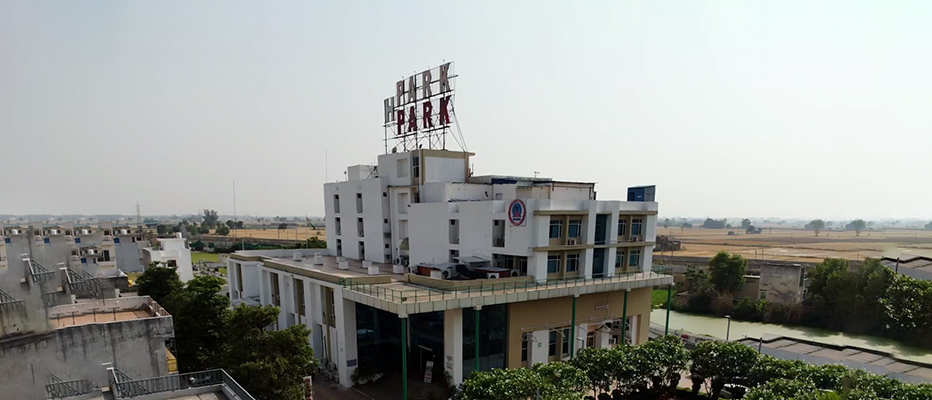
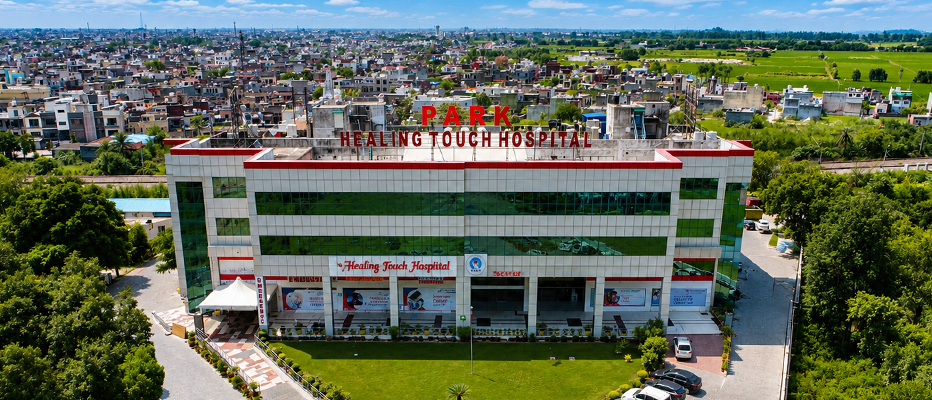
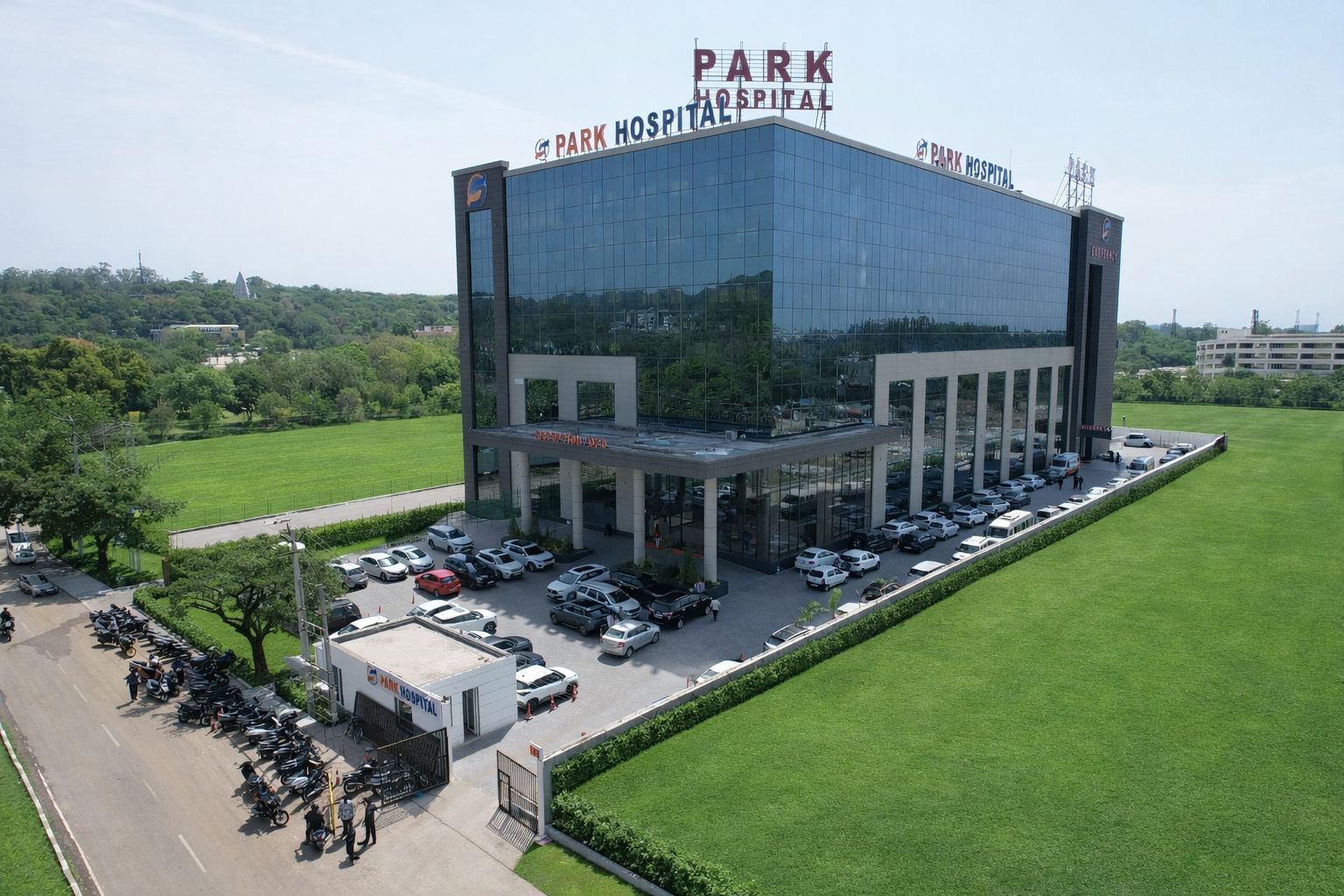
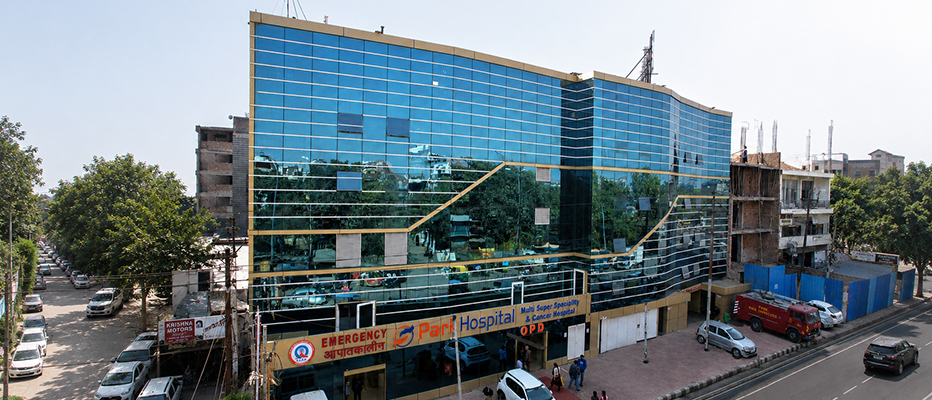
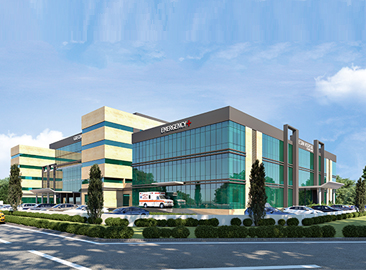

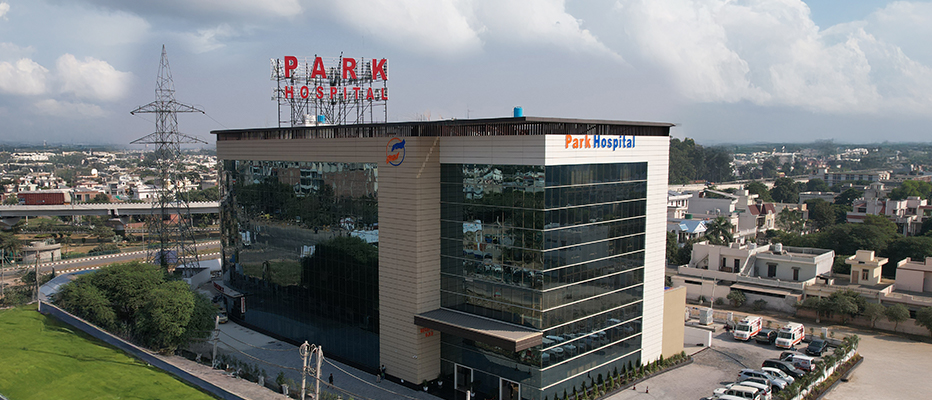
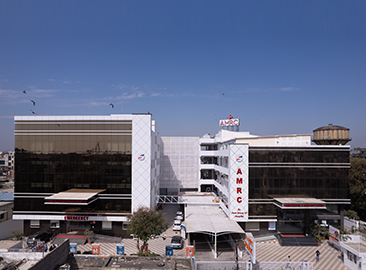

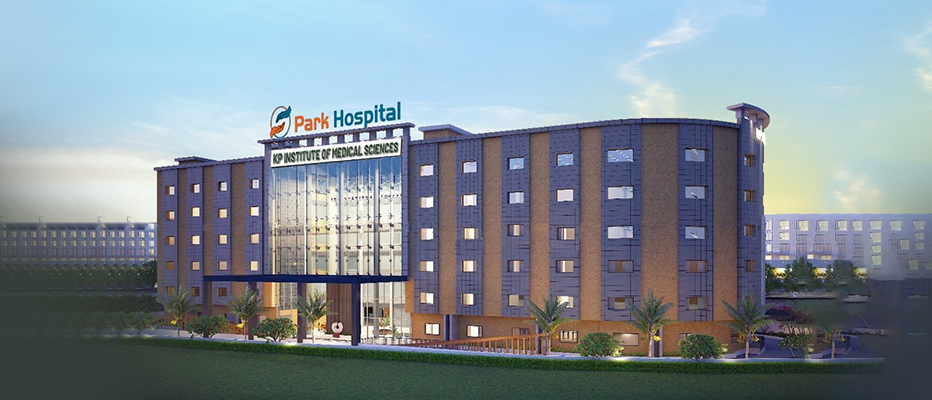
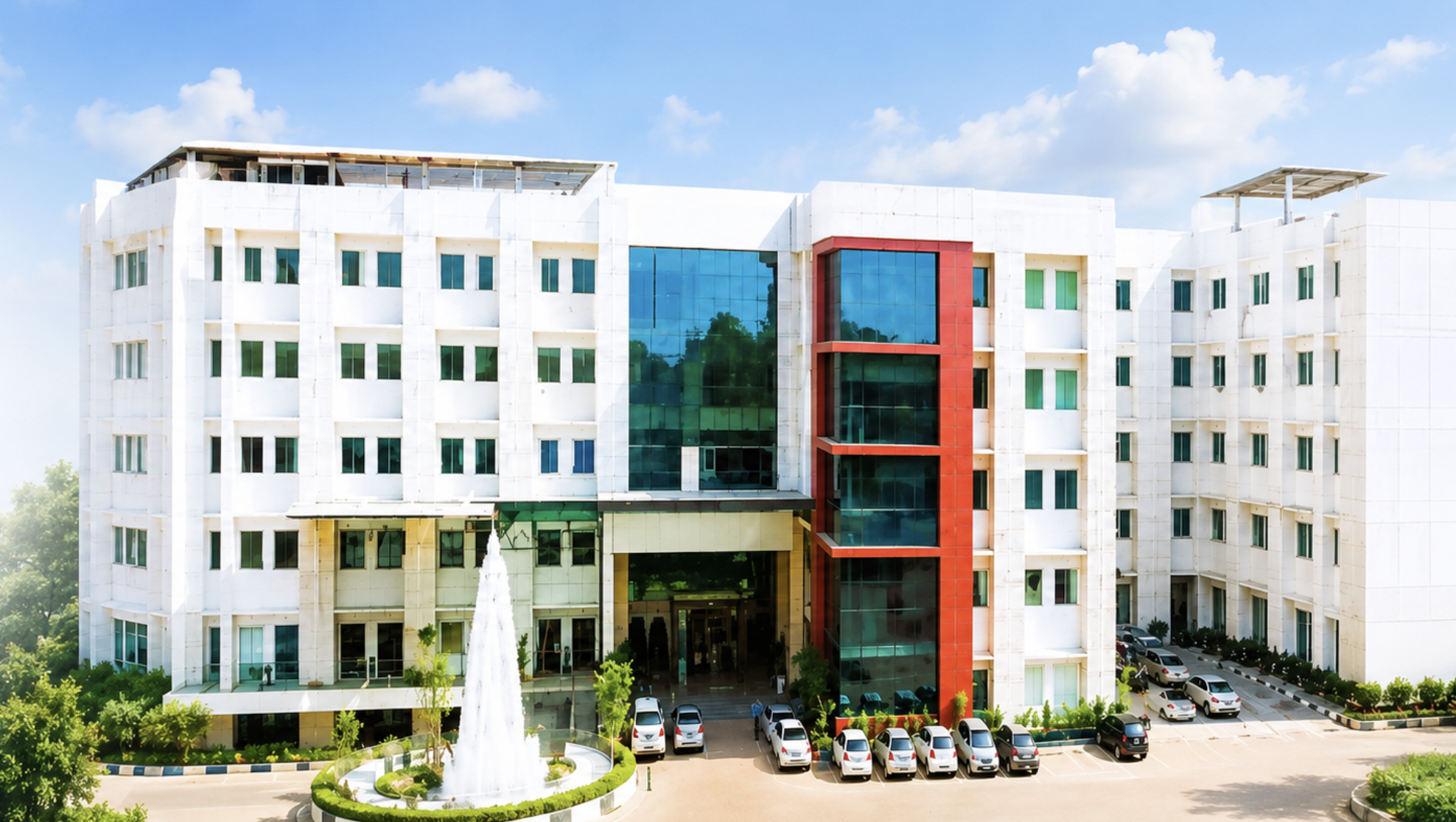
Our Hospital Locations
Healing Near You
Experience world-class clinical expertise and compassionate care at our advanced facilities conveniently located across the region
View AllHealth Tips
Expert Advice for Healthy Life


Frequently Asked Questions
Common questions answered by our experts
Interventional radiology uses imaging guidance to perform minimally invasive procedures for diagnosis or treatment. Instead of making a large surgical incision, an interventional radiologist may access the affected area through a small skin opening using a needle, catheter or other specialized instrument. Imaging such as ultrasound, CT or X-ray helps guide the procedure precisely. Depending on the condition, this approach may offer an alternative to open surgery, although conventional surgery may still be more appropriate for certain conditions.
Interventional radiology can be used to manage a wide range of conditions involving blood vessels and different organs. Depending on the patient's condition, procedures may be used to treat blocked or narrowed blood vessels, internal bleeding, certain tumours, fluid collections, abscesses and urinary or biliary blockages. Interventional radiologists can also perform image-guided biopsies and drainage procedures. The appropriate treatment depends on the diagnosis, location and severity of the condition and whether a minimally invasive approach is suitable.
An image-guided procedure may be considered when a condition can be safely accessed and treated without conventional open surgery. It may be particularly useful when precise access to a specific blood vessel, organ or abnormal area is required, or when a patient may benefit from a less invasive approach. The decision depends on the condition, available treatment options, the patient's overall health and the expected benefits and risks. Some procedures are used alongside surgery or other treatments rather than as a replacement.
Common procedures include image-guided biopsies, abscess and fluid drainage, placement of feeding or drainage tubes, vascular procedures such as angioplasty and stenting, and treatments designed to control internal bleeding. Depending on expertise and the patient's condition, interventional radiologists may also perform procedures such as tumour ablation, embolization and treatments for certain vascular or biliary problems. Many procedures are performed through a small needle puncture or catheter rather than a large surgical incision.
Imaging allows the interventional radiologist to see the target area and guide instruments during the procedure. Ultrasound can provide real-time views of soft tissues and blood vessels, while X-ray and CT imaging can help guide needles, catheters and other devices to the intended location. The specialist may use one imaging method or combine techniques depending on the procedure. Continuous image guidance helps the team position instruments accurately and monitor treatment while reducing unnecessary injury to surrounding structures.
Potential benefits include smaller access points, less tissue disruption, reduced pain and a shorter recovery compared with some conventional surgical approaches. Certain procedures can also be performed with sedation or local anaesthesia rather than general anaesthesia, depending on the intervention. However, interventional radiology is still associated with risks, which vary by procedure and may include bleeding, infection, injury to nearby structures, allergic reactions or complications related to contrast material. Your specialist will discuss the specific risks and benefits before treatment.
Ask what the procedure is intended to achieve, why it is recommended and whether there are alternatives, including conventional surgery or medical treatment. Discuss how the procedure will be performed, what type of anaesthesia or sedation may be used, how long it is expected to take and whether you will need to stay in hospital. Ask about potential complications, recovery and activity restrictions, as well as any medicines, fasting or other preparation required beforehand. Understanding the expected benefits and risks can help you make an informed decision.