What is heart block?
Sometimes there is a conduction disorder (interference in the conduction of these electrical signals) due to which there is a heart block. Conduction disorders occur when the electrical activity generated in the sinus node in the right atrium fails to propagate to the ventricles, eventually, it results in a failure in adequate contractility of ventricles to pump out sufficient blood. The degree of heart block is determined by the extent of slow down of the electrical activity and the corresponding symptoms. Accordingly, the heart block is of three grades
- First-degree heart block least severe, asymptomatic, mostly undetected.
- Second-degree heart block Electrical signals intermittently fail to conduct. This is of two kinds
- Mobitz type I Electrical signals slower between beats, so the heart skips a beat.
- Mobitz type II Electrical signals dont slow down, but may or may not reach ventricles. This may progress to a Third-degree block
- Third-degree block most severe and complete failure of conduction.
Call your healthcare practitioner if you experience the following symptoms
- Lightheaded or dizziness
- Fainting
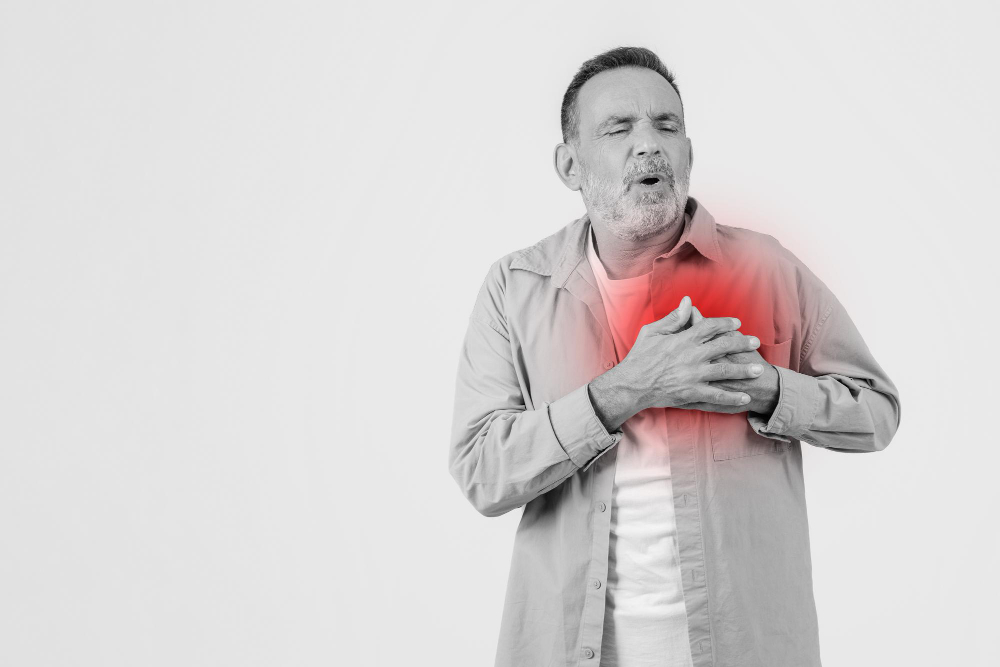
- Chest pain
- Racing heartbeat or skipped heartbeat
- Swollen feet, ankles or legs.
- Shortness of breath
- Low blood pressure
- Nausea and extreme tiredness.
- In severe cases, heart failure, arrhythmia, and cardiac arrest
What causes this heart block?
- Congenital heart block (since birth)
- Heart attack, Heart surgery
- Heart diseases (cardiac sarcoidosis)
- Due to side effects of medications such as digoxin, amlodipine, and atenolol-like drugs.
Diagnosis
The symptoms could be confirmed by a cardiologist through a complete physical exam, ECG, an ambulatory heart monitor, an implantable loop recorder, and an electro physiology study.
Who are at risk for heart block?
- Elderly population
- Those with a heart attack or coronary artery disease
- Those with Lyme disease or Sarcoidosis
- Who has high potassium levels?
- Individuals suffering from severe hyperthyroidism.
- Post open heart surgery.
A healthy lifestyle and exercise are helpful to prevent heart block.
Post-Pacemaker care
If the heart block is of Mobitz type II (2nd-grade) or of 3rd-grade, then the pacemaker may be necessary. To improve your quality of life with a pacemaker, please avoid any event of disruption of the activity of your pacemaker. Take the following care when you have a pacemaker
- Avoid close contact with magnetic devices and stay at least six inches away from mobile phones
- When going through security screening at airports or shopping malls use the backscatter scanner (when you raise your hands) and not allow the security to use handheld wands.
- Tell security screeners that you have a pacemaker and show the card that states the type of pacemaker wherever required. So, carry the pacemaker card all the time.
- Whenever there is a medical consultation, tell your health provider about your pacemaker.
Get your pacemaker checked to ensure it is working appropriately all the time. Stay active, and avoid contact sports. if you are looking for the best cardiologist Hospital. Park Hospitals is one of the fastest-growing chain in North India with a network of 14 hospitals to provide highly advanced healthcare services.