As an emergency physician, I see patients in the ER every day who waited hours—sometimes even days—to seek help because they weren't sure if their symptoms were a "real" emergency. When it comes to Acute Coronary Syndrome (ACS)—the umbrella term includes both unstable angina and acute myocardial infarctions (heart attacks)—ignoring the warning signs can lead to permanent heart muscle damage or death. Without oxygen, heart tissue begins to die within 20 to 40 minutes. Here is what you need to know about recognizing ACS/ heart attack symptoms, why they aren't always what you expect, and exactly what to do:
The Classic Warning Signs: More Than Just "Chest Pain":
When people think of a heart attack, they often picture the Hollywood version: a person clutching their chest in agonizing pain and collapsing. While severe chest pain is a hallmark sign, ACS often presents more subtly.
Chest Discomfort (Angina):
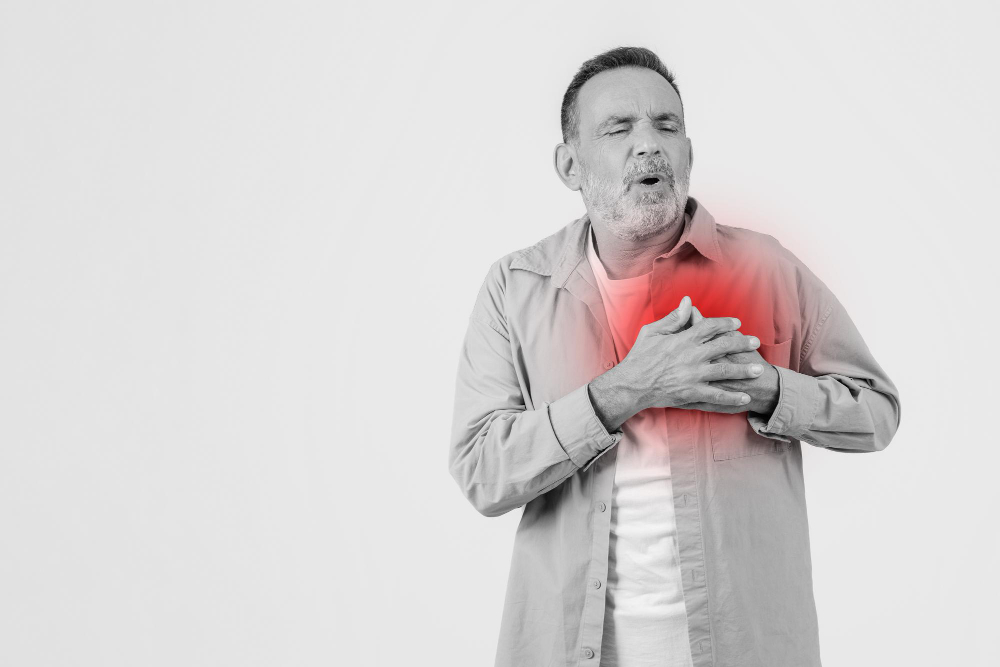
Most heart attacks involve discomfort in left side of chest. It doesn't always feel like "pain"—patients frequently describe it as a heavy pressure, squeezing, fullness, tightness, or an uncomfortable weight sitting on their chest. This feeling often lasts more than a few minutes, or it may go away and return.
Radiating Pain:
The neural pathways of the heart are shared with other areas of the upper body. This means discomfort can travel or radiate down one or both arms (typically the left arm), into the shoulders, upper back, neck, jaw, or even the upper abdomen above the belly button.
Shortness of Breath:
You might feel like you can't catch your breath, even while completely resting or doing minimal physical activity.
Unexplained Cold Sweats:
Breaking out in a sudden, profuse cold sweat without any physical exertion or environmental heat is a major red flag that your body is under acute cardiac stress.
Nausea and Gastrointestinal Distress:
Feeling sick to your stomach, vomiting, or experiencing sudden indigestion, heartburn, or upper abdominal pain can all indicate an underlying cardiac event.
Dizziness or Lightheadedness:
Feeling suddenly faint, dizzy, or unsteady can mean your heart isn’t pumping enough blood to your brain.
The "Atypical" Presentations:
Women, Older Adults, and Diabetics,Psychiatric patients have atypical presentation. As ER doctors, we are highly trained to look out for atypical presentations. They are significantly less likely to experience classic central chest pain. These are a typical presentation symptoms: shortness of breath, nausea/vomiting, and isolated jaw, neck, or back pain. In older people sudden onset of confusion,generalized weakness, lightheadedness, or breathlessness without clear chest pressure.People with Diabetes are prone for "silent" heart attacks or very mild symptoms due to diabetic neuropathy (nerve damage) affecting the body's ability to transmit pain signals. Never assume it is "just a flu," "just aging," or "just acid reflux" if these symptoms come on suddenly or feel unusually heavy. The number one reason patients delay coming to the emergency department is denial. They convince themselves that they are experiencing a bad case of heartburn, muscle strain, or anxiety.If you take an antacid or rest and the symptoms do not completely resolve, or if they continue to come and go over hours or days, it requires an immediate medical evaluation. In the ER, we would much rather run an EKG and blood tests to tell you your heart is perfectly healthy than have you stay at home risking irreversible damage.Remeber "Time is muscle". Save your heart.