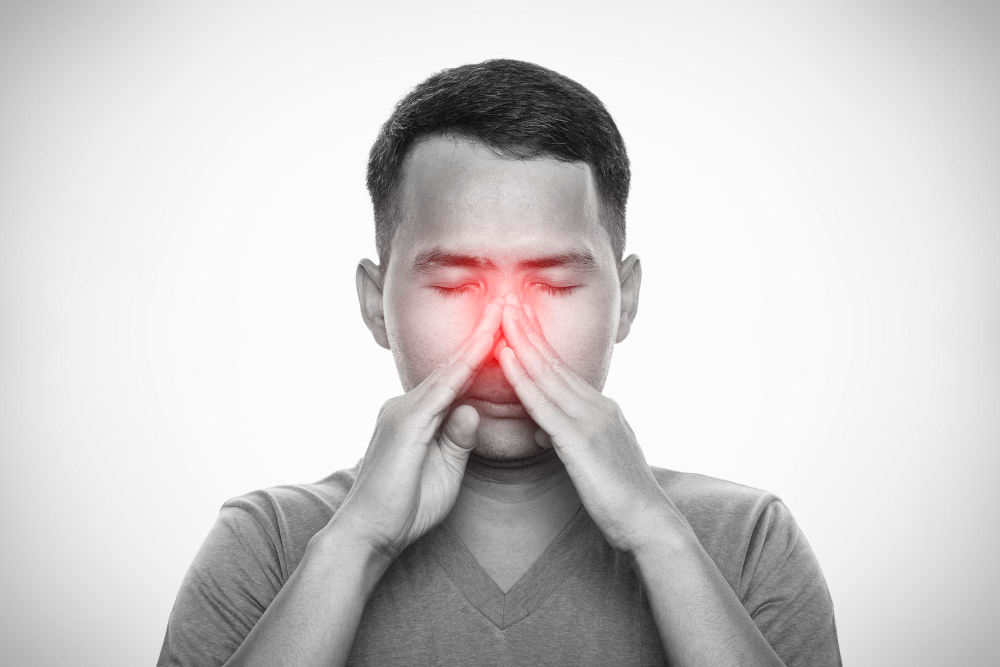
What Problems Do People Experience During Seasonal Changes?
Seasonal breathing issues appear in different ways and may feel stronger outdoors or during certain times of day. Most people commonly report the following problems to pulmonologists in Delhi:
-
Wheezing or a whistling sound while exhaling
-
Difficulty taking deep breaths or shortness of breath
-
Chest tightness or a feeling of pressure
-
Dry cough that worsens at night or early morning
-
Symptoms that flare during high humidity, pollution peaks, or quick temperature drops
What Pulmonologists Advise During Seasonal Changes?
The best pulmonologists advise practical, everyday steps during seasonal changes so that breathing stays stable and flare-ups do not disturb sleep, work, or routine activities. Here are some of the most effective tips that everyone should follow:
Keep Indoor Air Clean Every Day
Dust, smoke, and trapped pollutants irritate sensitive airways. Regular dusting, exhaust fans, and proper ventilation reduce irritants in homes and workplaces. Pulmonologists highlight indoor purity because many flare-ups begin in poorly ventilated rooms.
Monitor Air Quality Before Going Out
AQI levels change quickly during seasonal transitions. Checking the AQI helps you decide whether outdoor exposure is safe. On high-pollution days, windows should stay closed during smog peaks, and outdoor activity should remain limited.
Use Masks During Harsh Weather
Pollution spikes, cold waves, and high-pollen days all increase breathing discomfort. A well-fitting N95 or FFP2/FFP3 mask filters harmful particles before they reach the lungs. Doctors often advise this for sensitive individuals and those currently under treatment.
Stay Hydrated for Easier Breathing
Adequate water intake keeps mucus thin and easier to clear. Better mucus movement reduces irritation and supports comfortable airflow during weather changes.
Avoid Sudden Temperature Swings
Airways react sharply when a person moves from warm to cold air or from outdoor heat to air-conditioned spaces. Covering the nose with a scarf in winter and avoiding sudden temperature transitions in summer reduces airway tightening.
Practice Simple Breathing Exercises
Exercises such as diaphragmatic breathing and pursed-lip breathing stabilise airflow and strengthen respiratory muscles. Pulmonologists at an asthma treatment hospital often teach these steps to patients because they improve control during flare-ups.
Control Allergens Inside the Home
Seasonal changes increase dust mites and mold. Washing bedding in hot water, cleaning carpets weekly, and using air purifiers reduce allergen exposure. These changes are especially important for people with allergies or asthma.
Exercise Daily to Build Lung Strength
Regular movement improves lung capacity and prepares the body for weather-based triggers. Light cardio, walking, and stretching keep breathing smoother across seasons.
Maintain Nasal Hygiene to Prevent Irritation
Saline rinses and gentle steam clear trapped allergens, dust, and germs before they irritate the lungs. Better nasal hygiene also reduces post-nasal drip, which triggers coughing.
Use Home Remedies for Extra Support
Warm turmeric milk, honey-ginger tea, mulethi tea, and foods rich in zinc, Vitamin C, and probiotics support the immune system and ease seasonal discomfort. These remedies add comfort but do not replace medical care when symptoms escalate.
Get Your Breathing Checked Early
Many people only search for pulmonologists near me when symptoms become severe. Early consultation allows lung function tests and allergy checks before problems worsen. A clear diagnosis explains whether the issue is asthma, allergy, infection, or pollution-related irritation.
Get Specialist Care For Breathing Problems at Park Hospital!
Breathing problems during seasonal changes can be frustrating, especially when they keep returning. Park Hospital offers specialised respiratory care, advanced testing, and treatment plans personalised to each patient. If you face persistent cough, chest tightness, or breathlessness, meet the team of best pulmonologists at our centre for accurate guidance and long-term support!
Also Read: Seasonal Flu and Your Nervous System: When to See a Neurologist Near Me
FAQs
-
Why do breathing problems worsen during seasonal changes?
Airways react to sudden shifts in temperature, humidity, pollen, and pollution, which can irritate the lungs and trigger symptoms.
-
How can I protect my lungs during weather changes?
Limit exposure to dust and pollution, keep indoor air clean, stay hydrated, and follow inhaler guidance from your specialist.
-
When should I visit a pulmonologist?
If breathing trouble disrupts sleep, routine activities, or returns with every seasonal shift, consulting a pulmonologist is recommended.
-
Do seasonal allergies and asthma worsen together?
Yes. Allergy-triggered inflammation can tighten airways and make asthma symptoms more noticeable during high-pollen seasons.
-
Can weather changes affect people without lung disease?
Yes. Even healthy individuals may feel mild breathing discomfort when air quality drops or cold air irritates the airways.