Find Doctors
 Health Packages
 Book Appointment


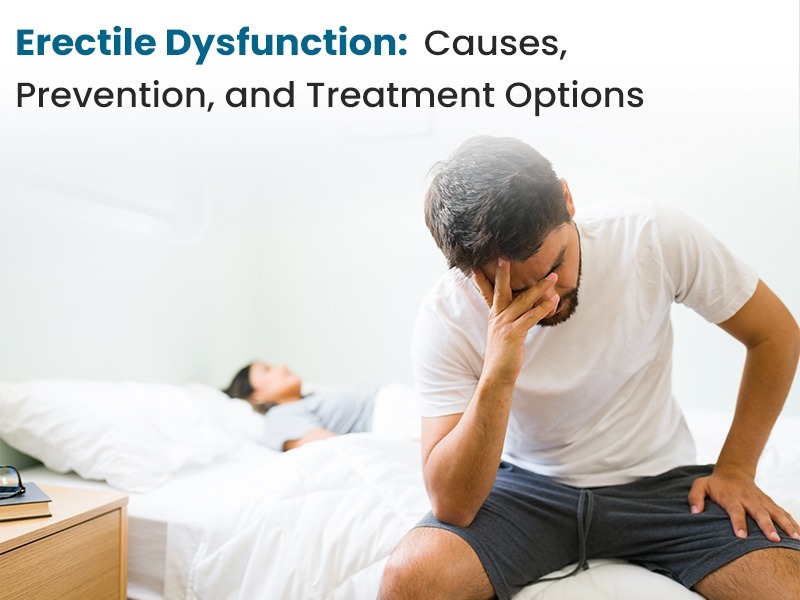
Erectile Dysfunction (ED) is when men have difficulty getting or maintaining an erection to have intercourse. Occasional difficulty isn’t necessarily a cause for concern. But when it happens more often, people should seek the right erectile dysfunction treatment. ED is more common as people get older. In fact, at age 40, about 40% of men are affected, whereas 70% report having ED by age 70.
When left untreated, erectile dysfunctions can cause stress, affect your self-confidence, and your relationship. Keep reading to find more about erectile dysfunction, its symptoms, causes, and treatment.
What is Erectile Dysfunction?
Erectile dysfunction is the inability to get or keep an erection firm enough to have sexual intercourse. It is sometimes referred to as impotence. ED can occur due to problems at any stage of the erection process, which can be occasional or frequent. The condition is usually treatable with proper medications and counselling.
Symptoms of Erectile Dysfunction
Despite being a common condition, most men are unaware of the erectile dysfunction symptoms due to the societal stigma. You may be experiencing ED if you regularly face these challenges:
Being unable to get an erection at all
Being able to get an erection sometimes, but not every time you want to have intercourse
Getting an erection, but losing it too quickly
Getting a partial erection, which isn’t hard enough.
Apart from the physical symptoms, you might also experience:
Loss of interest in sex (low libido)
Feeling upset, stressed, anxious, or depressed.
What Are the Causes of Erectile Dysfunction?
ED can happen due to physical, psychological, or lifestyle factors. Some of them include:
Cardiovascular Diseases: Cardiovascular diseases like high blood pressure, atherosclerosis, and coronary artery disease can limit the blood flow to the body, including the penis. It will hinder the ability to get or sustain an erection.
Diabetes: Diabetes can damage blood vessels and nerves, called diabetic neuropathy. It can impair the sensation required for sexual stimulation and decrease blood to the penis.
Hormonal Imbalances: Conditions like low testosterone levels can affect sexual desire and the ability to get an erection.
Neurological Disorders: Neurological conditions like multiple sclerosis, Parkinson's disease, and spinal cord injuries can disrupt the nerve signals needed to achieve and maintain an erection.
Depression and Anxiety: Mental health conditions like depression and anxiety can disrupt the brain’s ability to trigger the release of chemicals necessary for sexual arousal.
Medical Side Effects: Some medications, like antidepressants, antihypertensive, antipsychotics, and certain medications, can have ED as a side effect.
Lifestyle Choices: Smoking, alcohol, inactivity, and poor diet all reduce blood flow and affect erection strength.
How to Manage and Treat Erectile Dysfunction?
If you are experiencing the symptoms of ED, it's advisable to consult the best urologist in Delhi. They will conduct a complete diagnosis to find the underlying cause of the condition. Some common erythrocyte dysfunction treatment options include:
Lifestyle Modifications: Make healthy lifestyle choices such as regular exercise and consuming a balanced diet to improve erectile function.
Psychological Counselling: If ED is due to anxiety, depression, or relationship issues, then you need to undergo psychological counselling or therapy to manage the condition.
Medications: Phosphodiesterase type 5 (PDE5) inhibitors are generally prescribed to improve blood flow to the penis and improve the symptoms.
Other Advanced Treatments: Based on the underlying cause, the healthcare professional may also recommend treatments like vacuum erection devices, penile injections, and even surgical options like penile implants.
How to Prevent Erectile Dysfunction?
ED becomes more prevalent in aging men. But it is not necessarily a normal part of aging. So, how can you avoid it? Here are some strategies to help you out:
Watch What you Eat: Include more fruits and vegetables and avoid fatty, fried and processed foods that could impede blood circulation throughout the body.
Maintain A Healthy Weight: Obesity can bring out many health problems, like diabetes, that cause nerve damage and result in ED.
Exercise Regularly: A sedentary lifestyle can increase the chances of developing ED. Engage in running, swimming, and other forms of aerobic exercise to stay healthy.
Keep Tabs on Testosterone: Testosterone levels may decline around age 50. Symptoms like low sex drive, moodiness, and lack of stamina.
Curb Stress: Psychological stress increases levels of the hormone adrenaline that constricts the blood vessels. Make sure to ease your tension and feel emotionally better.
Get Personalised Guidance to Manage Erectile Dysfunction
ED is more common than people think, and it's treatable. Moreover, in recent years, the condition seems to be more common among younger men. In many cases, with the right erectile dysfunction treatment, you can improve the underlying conditions as well as your overall health and quality of life. Don’t suffer in silence. Seek medical help from the best urologist in Delhi at Park Hospital and regain your sexual health and confidence! Also Read: Why Stress Makes You Hold Weight and How to Naturally Lower It
FAQs
1. What are the common causes of erectile dysfunction?
Common causes of erectile dysfunction are physical (such as heart disease, diabetes, obesity, nerve damage) or psychological (stress, anxiety, depression).
2. Can erectile dysfunction be prevented naturally?
Of course, you can prevent or reverse erectile dysfunction naturally through lifestyle changes. You have to consume a nutrient-dense diet, engage in regular exercise, and maintain a healthy weight.
3. What lifestyle changes help improve erectile dysfunction?
Regular aerobic exercise (like 30 minutes of brisk walking), quitting smoking, reducing alcohol intake, managing stress, and adopting a diet rich in fruits, vegetables, and whole grains. These lifestyle changes will improve blood flow, reduce nerve damage, and balance the hormone levels.
4. What treatment options are available for erectile dysfunction?
Erectile dysfunction treatment includes oral medications, penile injections, hormone therapy, counselling, and penile implants for severe cases.
5. When should someone consult a doctor for erectile dysfunction?
If the symptom becomes consistent or frequent, lasting for several weeks or months, then make sure to consult a doctor. Similarly, if you have any underlying conditions like diabetes, heart disease, or are following a new medication, it's better to seek medical attention.