Can Stress Cause Weight Gain?
Before knowing how stress can cause weight gain, let's first look into what stress is. It isn't merely mental tension; it is a physical "fight or flight" response designed to protect you.
- When you are under pressure, your adrenal glands release a surge of adrenaline and cortisol.
- Adrenaline floods your bloodstream with glucose for immediate energy to handle the threat.
- Once that initial rush fades, cortisol remains elevated to help the body recover.
- The problem is that cortisol tricks your brain into thinking you have burned massive calories, triggering intense cravings for sugar and fat to "refuel."
- It specifically directs your body to store this new energy as visceral fat around your midsection, as a survival reserve for the next emergency. This makes chronic stress a direct driver of stubborn belly fat.
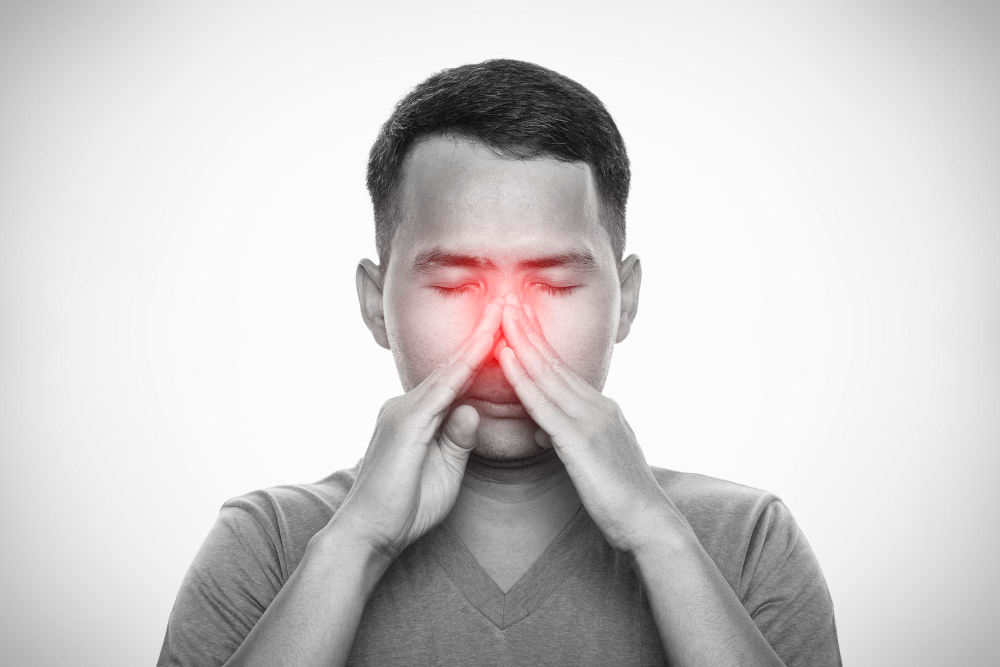
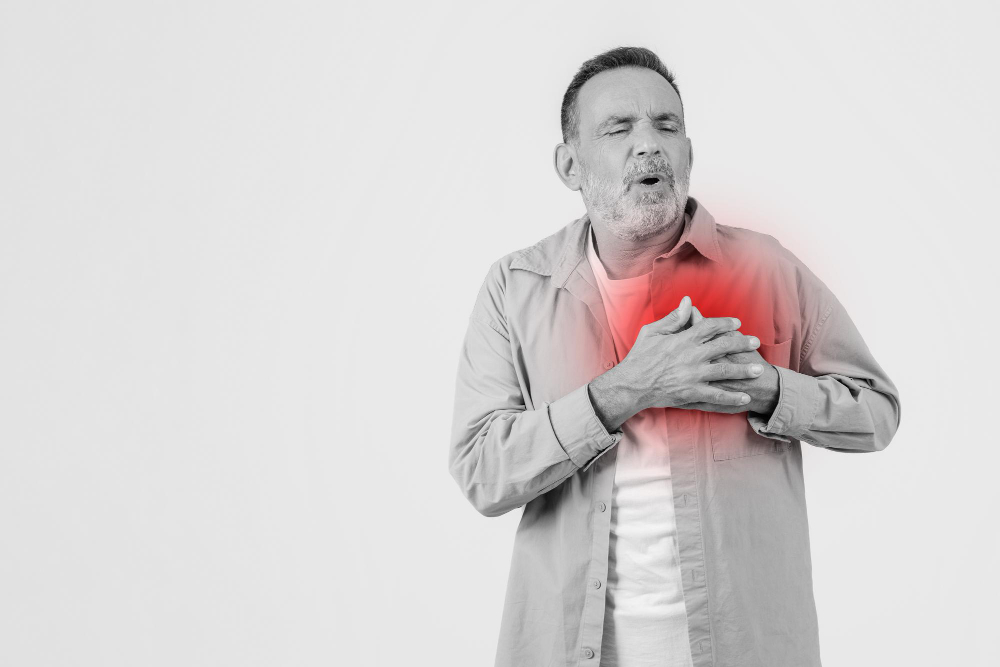
What are the Stress Symptoms?
Stress symptoms vary from person to person, but typical signs and symptoms of stress include:
- Increased anxiety and worry
- Feeling overwhelmed
- Mood swings
- Irritation or anger
- Sadness or depression
- Decreased sexual desire
How Weight Can Impact Overall Health?
Lowering stress, especially chronic stress, and keeping weight under control is only part of the picture. Excess weight can cause other health problems. Some of the most important factors that affect health are listed below:
- Elevated blood pressure and cholesterol levels make you more susceptible to heart disease and stroke.
- Metabolic disorders such as type 2 diabetes.
- Increased risk of developing all types of cancer.
- Excess stress on the joints, increasing pain and limiting mobility.
- Infertility problems.
- Lung function declines, worsening breathing disorders such as asthma and obstructive sleep apnea.
- Mental health intervention.
How to Naturally Reduce Stress To Manage Weight?
Stress symptoms may affect your body, thoughts, emotions, and behavior. Maintaining a healthy lifestyle, such as eating well and exercising, can be difficult during times of stress. Strategies from the doctors of the best hospitals in Faridabad are as follows:
-
Make Exercise A Priority: Regular exercise is essential for reducing stress and controlling weight, and can help prevent stress-related weight gain.
-
Eat Healthier And More Convenient Foods: Healthier options like popcorn can boost your mood without the drawbacks of traditional comfort foods.
-
Practice Mindful Eating: Eating without distractions can reduce stress and promote weight management, and mindfulness techniques have shown potential benefits.
-
Keep A Food Diary: Monitoring your eating habits can help you monitor your food intake and promote long-term weight loss success.
-
Drink More Water: Staying hydrated can help you differentiate between hunger and thirst and reduce unnecessary calorie intake.
-
Integrate Stress Management Strategies: Activities like yoga, reading, and walking can lower cortisol levels and help control weight.
Get The Right Guidance to Prevent Stress and Avoid Weight Gain!
When stress or stress-related weight gain causes you distress or interferes with your daily responsibilities, you should immediately see a doctor. Psychotherapy, especially cognitive behavioral therapy (CBT), can be very helpful in teaching stress management and weight management skills. Reach out to our best psychiatrist in Faridabad at Park Hospital today. We will help you develop a comprehensive weight management plan and provide personalised strategies to manage stress effectively!
Also Read: Can Stress Cause Memory Loss? Understanding the Connection
FAQs
1. How does stress contribute to weight gain?
Stress leads to weight gain primarily through the action of the stress hormone cortisol, which increases appetite and promotes storage of fat in the abdomen. It also disrupts sleep, reduces motivation for exercise, alters hunger hormones and creates a loop between emotional eating and physical inactivity that will eventually result in weight gain.
2. What is the role of cortisol in stress-related weight gain?.
Cortisol puts your body into "survival mode." It slows down your metabolism to conserve energy and triggers intense cravings for high-calorie, sugary foods. Crucially, it directs the body to store this extra energy as visceral fat (belly fat) to be used as a quick fuel source for the next threat.
3. Can stress prevent weight loss even with diet and exercise?
Yes, chronic stress can very much affect efforts at losing weight, even if you are strictly adhering to a dieting and exercising regimen. High levels of stress raise cortisol, which is the hormone that encourages storage of fat in the abdomen, intensifies cravings for sugary/fatty foods, and slows down metabolism.
4. How can stress-induced weight gain be reduced naturally?
Naturally reducing stress-induced weight gain involves managing one's cortisol levels as well as emotional eating through lifestyle changes such as practicing mindfulness (yoga, meditation), regular physical activity, prioritizing 7-9 hours of sleep, and eating a whole-food, nutrient-dense diet.
5. When should I seek professional help for stress-related weight issues?
You should see a doctor if you experience rapid, unexplained weight changes or if stress begins to severely impact your daily functioning and sleep. A medical professional can check for underlying hormonal imbalances, such as thyroid issues, that mimic stress symptoms.