Find Doctors
 Health Packages
 Book Appointment


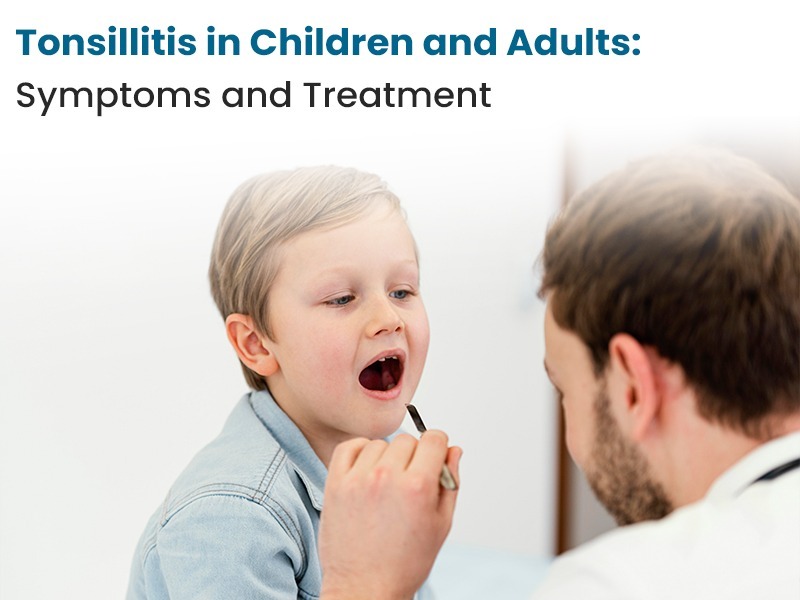
We have all experienced a sore throat at some point in our lives. Most people dismiss this as a simple cold. However, persistent pain often points to a specific inflammation known as tonsillitis. The tonsils are two oval-shaped pads of tissue at the back of your throat. They act as the body's first line of defense. Tonsils also trap germs that enter through your nose and mouth. Sometimes these defenders get overwhelmed by bacteria or viruses. This causes them to swell and become infected. Ignoring this condition can even lead to complications like tonsils stones or severe infections. Continue reading to learn how tonsillitis affects children and adults, associated symptoms and the effective treatment options.
What Is Tonsillitis?
Tonsillitis is simply the inflammation of the tonsils. It can strike anyone at any age. However, it is most common in children between preschool ages and the mid-teenage years.
Doctors classify this condition into three main types based on frequency and duration.
Acute Tonsillitis: Symptoms usually last around three to four days. It can persist for up to two weeks.
Recurrent Tonsillitis: This occurs when you get infected multiple times in a year.
Chronic Tonsillitis: You experience a long-term sore throat and bad breath. This type often leads to tonsil stones.
What Causes Tonsillitis?
Viral infections trigger the majority of tonsillitis cases. Several specific pathogens can invade the throat tissue. The Adenovirus is a primary culprit. It is frequently associated with the common cold. The Influenza virus is another common agent. It causes the flu and often leads to throat inflammation.
Bacteria are responsible for the remaining cases. Streptococcus pyogenes is the most frequent bacterial culprit. This is the same bacteria that also causes strep throat.
What Are the Symptoms of Tonsillitis?
Symptoms manifest differently depending on the severity of the infection. You should look for specific indicators beyond just pain, such as:
Severe Sore Throat: The pain is usually intense and constant.
Difficulty Swallowing: Eating or drinking becomes painful.
Red and Swollen Tonsils: You might see a white or yellow coating on the tissue.
Fever: A sudden rise in body temperature is common.
Enlarged Lymph Nodes: You may feel tender lumps on the sides of your neck.
Bad Breath: This is frequently caused by trapped bacteria or debris.
Young children may not be able to describe their pain. You might notice them drooling more than usual. They may even refuse to eat and become unusually fussy. Also Read - Pneumonia in Children: Long-Term Lung Damage, Symptoms & Recovery
How Do Doctors Diagnose Tonsillitis?
An ENT specialist will start with a physical exam. They use a lighted instrument to look at the throat. They check for redness or white spots. They also feel the neck for swollen glands.
Doctors often perform a throat swab. They rub a sterile swab over the back of the throat. This sample is tested for bacteria. A negative test usually points to a viral cause.
What Are the Treatment Options for Tonsillitis?
The approach to tonsillitis treatment depends entirely on the cause.
Home Care and Viral Treatment
Antibiotics do not work on viruses. Your body must fight off the infection naturally. You can support recovery with simple strategies.
Rest: Getting enough sleep helps the immune system.
Hydration: Warm fluids like broth or tea soothe the throat.
Saltwater Gargles: This helps relieve pain and reduce swelling.
Bacterial Treatment
Doctors prescribe antibiotics if the cause is bacterial. You must finish the full course of medication. Stopping early can allow the infection to return and lead to antibiotic resistance.
Surgery (Tonsillectomy)
Surgery becomes necessary in severe cases. Doctors recommend removing the tonsils if infections are frequent. They also suggest this if the swelling causes sleep apnea or breathing difficulties.
When Should You Seek Medical Help?
You should see a doctor if symptoms persist for more than four days. Severe pain that prevents eating is a red flag. Difficulty breathing requires instant medical intervention. You should also seek help if a fever rises above 103 degrees Fahrenheit.
Get Expert Care for Tonsillitis at Park Hospital!
Throat pain due to tonsillitis can affect your ability to eat and even have a good nighttime sleep. This is where proper medical guidance can help you recover quickly with minimal soreness. Park Hospital provides comprehensive care for all ENT conditions. We have the best ENT specialist in Bathinda to diagnose and treat your condition effectively. Our team has some of the best ENT surgeon in India for cases requiring surgical intervention. So, visit us today to get relief from tonsillitis or throat-related problems.
FAQs
What is tonsillitis and what causes it?
Tonsillitis is inflammation of the tonsils. Viruses cause most cases. Bacterial infections like strep throat are also common triggers.
What are the common symptoms of tonsillitis in children and adults?
Tonsillitis symptoms include a severe sore throat and difficulty swallowing. You may also experience fever and swollen lymph nodes in the neck.
How is tonsillitis diagnosed by a doctor?
Doctors perform a physical examination of the throat and often use a throat swab to check for bacterial infections.
What treatment options are available for tonsillitis?
Tonsillitis treatment involves antibiotics for bacterial causes. Viral cases require rest and hydration. Surgery is an option for chronic cases.
When should someone seek medical attention for tonsillitis?
You should see a doctor if symptoms last over four days. Difficulty breathing or a high fever also demands immediate medical care.