Find Doctors
 Health Packages
 Book Appointment



We often take our hearing for granted until silence strikes without warning. You might wake up one morning to find that one ear feels completely blocked. Many people dismiss this as a simple case of earwax or a lingering cold. They wait for the pressure to release naturally. This delay is a dangerous mistake that could lead to permanent disability.
Sudden deafness is a critical medical event that demands instant attention. Medical professionals refer to this condition as sudden sensorineural hearing loss. It typically occurs in only one ear and develops instantly or over a few days. You must treat this situation with the same urgency as you would a heart attack or a stroke.
What Exactly Is Sudden Sensorineural Hearing Loss?
The ear is divided into distinct sections that process sound differently. Doctors classify auditory issues into two main categories based on which part is damaged. When you understand these types of hearing loss, you will be able to get the right treatment on time.
1. Conductive Hearing Loss
This occurs when sound cannot travel through the outer or middle ear. It is usually caused by physical barriers. Common causes are fluid buildup from allergies or impacted earwax. This type is generally temporary and easy to fix medically.
2. Sensorineural Hearing Loss
This is the focus of our concern. It involves damage to the inner ear (cochlea) or the nerve pathways that connect to the brain. Sensorineural hearing loss means the tiny hair cells responsible for transmitting sound are damaged. This condition can result in permanent damage if not treated immediately.
Why Is Sudden Hearing Loss Considered a Medical Emergency?
The cells inside your cochlea are extremely sensitive. They die quickly when deprived of oxygen or when inflamed. The doctors define a "golden window" for treatment. This period typically spans the first 72 hours to two weeks after symptoms appear.
Your chances of restoring your hearing are highest when you seek help within this window. The effectiveness of hearing loss treatment drops significantly if you wait longer. Ignoring the symptoms can even cause the nerve damage to become irreversible.
What Causes Sudden Hearing Loss?
Doctors can pinpoint a specific cause of sudden hearing loss in only about 10% of cases. They refer to the remaining cases as idiopathic. However, research identifies several underlying mechanisms that trigger this condition.
Viral Infections: Common viruses like herpes simplex or varicella can lie dormant in the body. They may reactivate and inflame the auditory nerve.
Vascular Occlusion: The inner ear requires a steady supply of blood. A clot or a narrowed vessel can starve the cochlea of oxygen. This is similar to a stroke.
Autoimmune Diseases: The body sometimes mistakenly attacks its own tissues. This includes the delicate structures of the inner ear.
Ototoxic Drugs: Certain strong antibiotics or chemotherapy drugs can damage the ear as a side effect.
How to Identify the Key Warning Signs of Sudden Hearing Loss?
The symptoms often mimic harmless conditions like a clogged ear. You must be vigilant and look for specific red flags that differentiate this from a minor issue.
The "Pop" Sensation: Many patients report feeling a loud pop before the hearing fades.
Muffled Sound: The primary hearing loss symptom is a loss of clarity. Voices may sound distorted or robotic.
Aural Fullness: You might feel a heavy pressure in the ear. It feels as if the ear is stuffed with cotton.
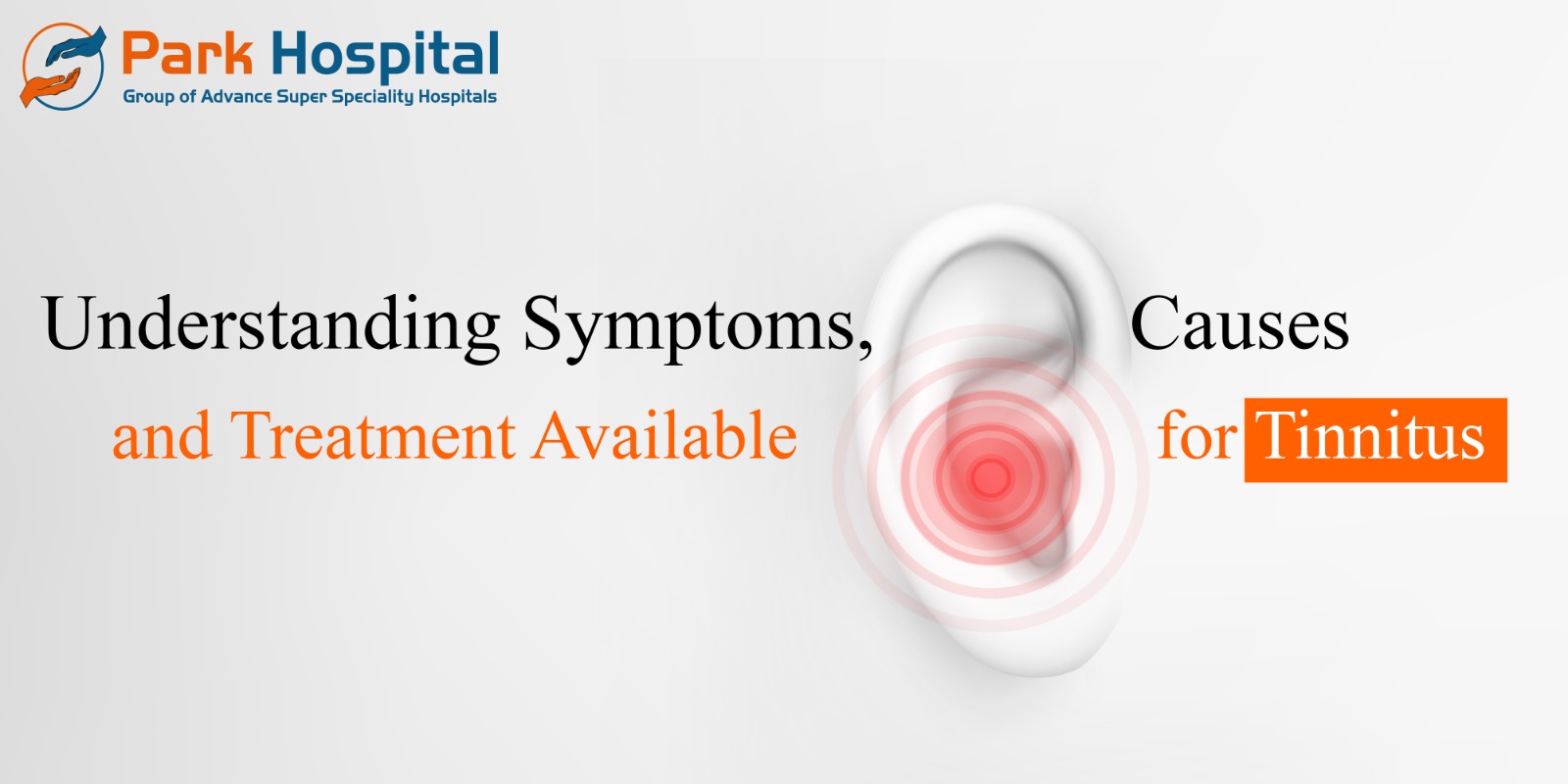
Tinnitus: A sudden ringing or buzzing noise often accompanies the silence.
Vertigo: Dizziness indicates that the balance system in the inner ear is also affected.
How Do Doctors Diagnose and Treat Sudden Hearing Loss?
An ENT specialist will first check for physical blockages to rule out conductive hearing loss. They then perform a test called Pure Tone Audiometry. This test measures how loud sounds need to be for you to hear them. A drop of 30 decibels in three connected frequencies confirms the diagnosis.
The Treatment Protocol
The best ENT doctors in India start treatment immediately after diagnosis with the following approaches:
Corticosteroids: This is the most common therapy. Steroids work to reduce inflammation and swelling in the cochlea.
Intratympanic Injections: This method involves injecting steroids directly into the eardrum. It delivers medication right to the source of the damage without systemic side effects.
Hyperbaric Oxygen Therapy: This treatment involves breathing pure oxygen in a pressurised room. It forces oxygen into the inner ear fluids to promote nerve healing.
Act Fast to Protect Your Hearing Senses!
Time is your most valuable asset when facing sudden deafness. You need a medical team that can mobilise resources instantly. Park Hospital is equipped with advanced audiology departments to handle such emergencies.
We are proud to host some of the best ENT doctors in India. Our specialists use the latest protocols to maximise your recovery chances. Residents in the north can access expert care from the best ENT doctor in Chandigarh at our facility. We ensure you receive the correct diagnosis and treatment without delay. ALSO READ: Diet for Heart Health: Foods That Protect Your Heart
FAQs
What causes sudden hearing loss?
Viral infections are a frequent trigger. Poor blood circulation also contributes significantly. Head trauma or autoimmune disorders are other potential causes.
Is sudden hearing loss considered a medical emergency?
Yes. You must seek treatment immediately. Delaying care beyond the first few days drastically reduces the chance of recovery.
What are the warning signs of sudden hearing loss?
You will notice a sudden drop in clarity. A feeling of fullness or pressure is common. You might also experience tinnitus and dizziness.
How is sudden hearing loss diagnosed and treated?
Doctors use audiometry to confirm sensorineural hearing loss. Treatment primarily involves high doses of steroids to reduce inner ear inflammation.
When should I see an ENT specialist for sudden hearing loss?
You should visit a specialist instantly. Get professional help within 24 hours of noticing any significant change in your hearing.