Find Doctors
 Health Packages
 Book Appointment


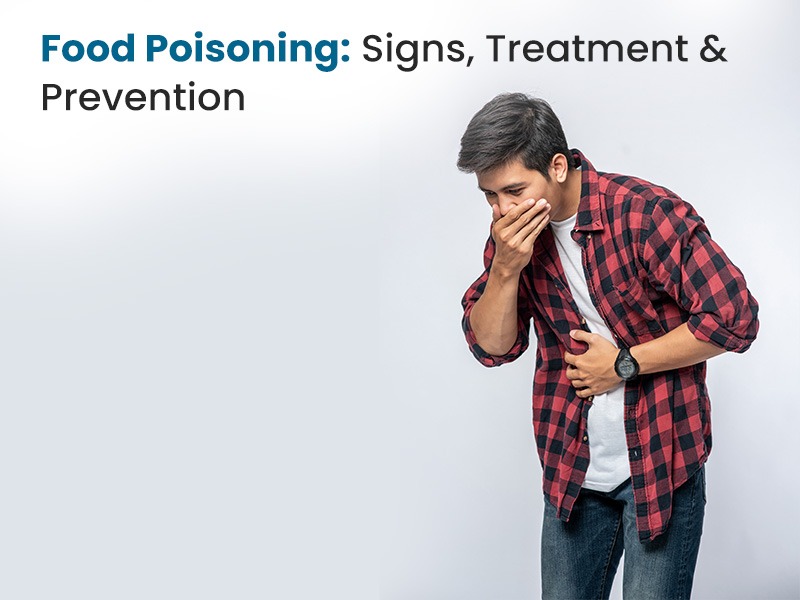
The World Health Organization (WHO) states that about 600 million people get sick every year because they eat unsafe food. Anyone can experience food poisoning symptoms, but young children, older people, and those with weak immune systems are at a higher risk. Most people also experience stomach pain or diarrhea after eating contaminated food for the first time. Some get sick the day after.
When food is handled or stored, it can pick up germs, viruses, parasites, or toxins. The risk becomes lower when people cook safely and keep things clean, but mistakes still happen. If you want to know how to keep yourself safe and what to look out for, keep reading to stay aware.
What Causes Food Poisoning?
Contamination of food most of the time happens because of the following reasons:
Improper storage temperatures
Undercooked food
Poor hand hygiene
Unsafe water
Cross-contamination between raw and cooked food
Salmonella and E. coli are two bacteria that often cause food poisoning. Viruses and bacteria can also make people sick.
What Are The Common Signs of Food Poisoning?
People have different reactions based on the organism and the extent of food contamination. Therefore, you should pay attention to the following food poisoning symptoms if you have eaten outside or followed unsafe food practices:
Nausea and repeated vomiting
Loose stools or watery stools
Stomach cramps
Fever
Weakness or dizziness
Dehydration
When you lose too much water, it can be dangerous. A dry mouth, quick breathing, reduced urine or confusion are all the key signs of dehydration. In these situations, medical help is needed right away.
When Should You See a Doctor?
In most cases, the first person to see is a general physician in Delhi and seek the right medical help if you experience any of the following:
Blood in vomit or stools
Persistent vomiting
High fever
Severe stomach pain
Symptoms lasting more than two days
Symptoms in a child, pregnant woman, or elderly person
How Long Does It Take For Food Poisoning To Go Away?
In mild cases, the condition often gets better in one to three days. Some infections last longer. The time it takes to recover varies depending on how hydrated someone is, how strong their immune system is, and what organism caused the illness.
How Do Doctors Diagnose Food Poisoning?
Doctors begin with a detailed history. Information about what you ate, when symptoms began, and who else got sick helps identify the cause. Tests sometimes include:
Stool testing
Hydration assessment
Do not use medicines on yourself without first talking to a doctor. Complications arise from taking the wrong medications.
How is Food Poisoning Treated?
The food poisoning treatment mainly focuses on preventing dehydration, easing discomfort, and managing infection where needed.
At-home care
Hydrate well: Sip clear liquids such as water, clear soups, diluted juices, or oral rehydration drinks. Frequent small sips work better than large drinks. This helps replace lost salts and fluids.
Rest properly: Give your body time to recover. Avoid heavy work or travel.
Return to food slowly: Start with bland foods such as rice, toast, crackers, soup, or bananas once vomiting settles. Avoid spicy or oily food initially.
Over-the-counter Medications (only with caution)
Bismuth subsalicylate can help with stomach upset.
Loperamide can reduce diarrhoea, but should not be used with fever or bloody stools.
Paracetamol (Acetaminophen) can reduce fever or aches.
Aspirin and ibuprofen should be avoided because they can irritate the stomach further. People with severe cases need to be admitted to the hospital and get IV fluids. Individuals who have kidney disease, diabetes, heart problems, or a weak immune system should not put off getting medical help.
How Can You Prevent Food Poisoning At Home?
Prevention begins in your own kitchen.
Wash your hands before handling food
Cook meat thoroughly
Store leftovers in the refrigerator
Keep raw and cooked food separate
Clean utensils properly
Use safe drinking water
Avoid street food during outbreaks or extreme heat waves. When in doubt, throw the food out.
Don't Ignore Food Safety. Get the Right Help at Park Hospital!
You can stay safe by knowing the signs of food poisoning, drinking enough water, and getting medical help quickly. Do not wait if you or someone you care about has prolonged symptoms, blood in stools, or persistent weakness.
Book expert care at Park Hospital today. For a correct evaluation and safe treatment, you can visit our experienced gastroenterologist in Delhi. Contact us today, and take a confident step toward recovery from food-related illnesses.
Also visit:
FAQs
1. What is food poisoning?
Food poisoning is an illness that occurs after eating contaminated food. Contamination happens due to bacteria, viruses, parasites, or toxins.
2. What are the first signs of food poisoning?
Early signs include nausea, vomiting, stomach cramps, loose stools, fever, and weakness. These food poisoning symptoms usually start within a few hours to one day after eating unsafe food.
3. How long does food poisoning last?
Most people recover within one to three days with hydration and rest. Severe or persistent symptoms need medical attention.
4. How can I prevent food poisoning at home?
Wash hands, cook food thoroughly, refrigerate leftovers, keep raw and cooked items separate, and ensure safe drinking water. Avoid eating food that smells spoiled or has been stored at room temperature for long periods.