
Cardiac Sciences
Best Heart Hospital in India
The heart is extraordinary, beating over 100,000 times a day, sustaining every vital function of the human body. At Park Hospitals, our Department of Cardiac Sciences brings together highly experienced cardiologists, cardiac surgeons, and electrophysiology specialists committed to delivering the best possible care for every patient with heart disease.
Our programme covers the complete spectrum of cardiovascular conditions, including coronary artery disease, heart failure, valvular heart disease, arrhythmias, hypertension, congenital heart defects, and peripheral vascular disease. We treat both acute emergencies and long-term chronic conditions, ensuring continuity of care from diagnosis through recovery.
Our diagnostic capabilities include advanced echocardiography, stress testing, Holter monitoring, CT coronary angiography, and cardiac MRI. Our state-of-the-art catheterisation laboratory supports a full range of interventional procedures, coronary angioplasty, stenting, pacemaker implantation, catheter ablation, and structural heart interventions, while our cardiac surgery programme covers bypass grafting, valve repair and replacement, and minimally invasive cardiac procedures.
Preventive cardiology, cardiac rehabilitation, and structured follow-up are equally central to our approach because the best outcome is one that never needed an emergency. At Park Hospitals, we treat hearts with the expertise and compassion they deserve.
Diseases and Procedures
Advanced Treatments For Every Disease
1 Dilated Cardiomyopathy
Dilated Cardiomyopathy (DCM) is a condition in which the heart muscle becomes enlarged and weakened, reducing its abilit Read More
2 Arrhythmias
Arrhythmias are disorders of the heart's electrical system that cause the heart to beat too fast, too slow, or in an irr Read More
3 Atherosclerosis
Atherosclerosis is a progressive cardiovascular condition in which fatty deposits, cholesterol, calcium, and other subst Read More
4 Congenital Heart Defect Repairs
Congenital heart defect repair refers to a range of specialized procedures performed to correct structural abnormalities Read More
5 Congenital Heart Disease
Congenital heart disease is a group of structural abnormalities of the heart that are present at birth and affect the no Read More
6 Coronary Artery Disease
Coronary artery disease (CAD) is a common cardiovascular condition that occurs when the coronary arteries, which supply Read More
Meet Our Experts
Experienced Clinical Leaders
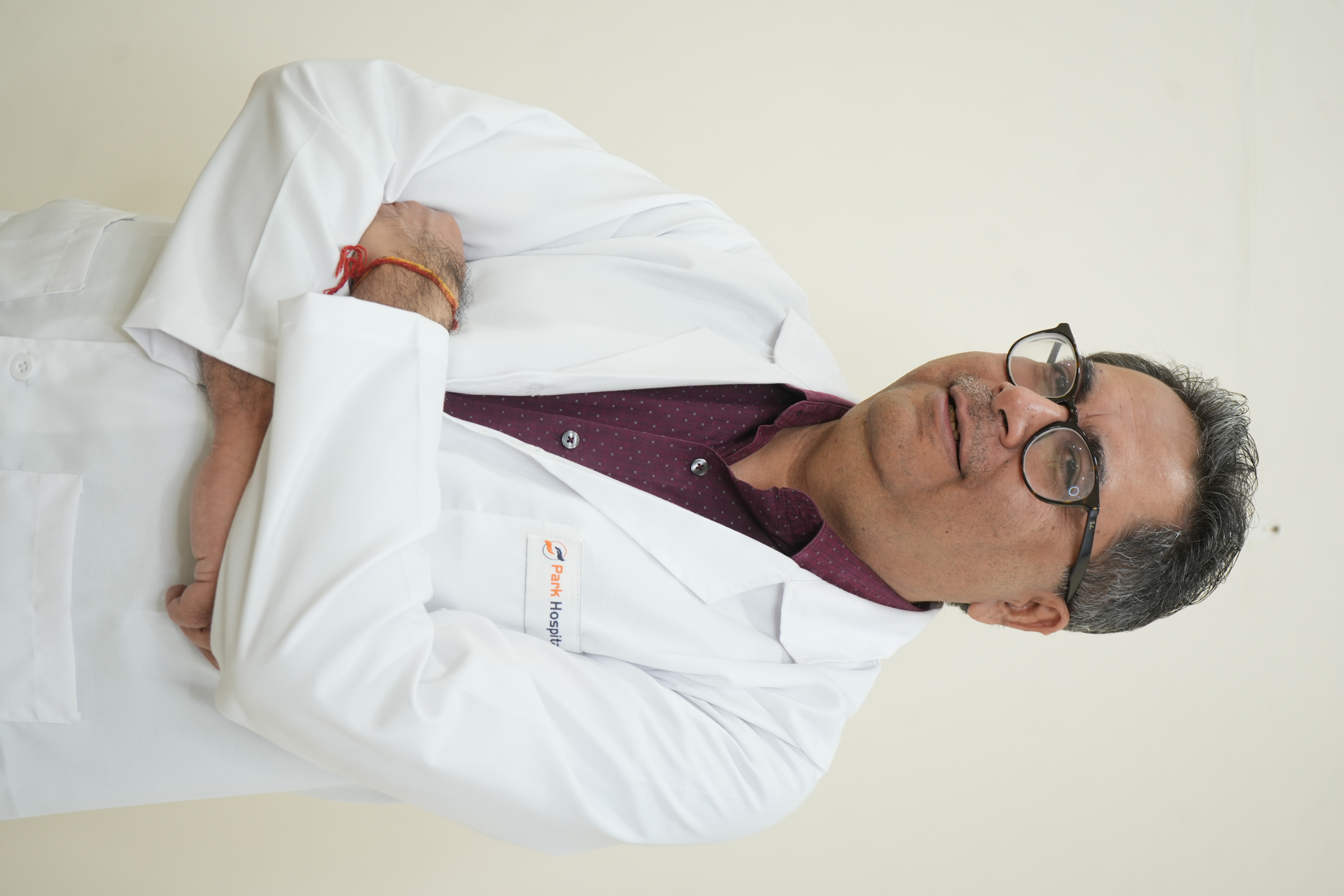
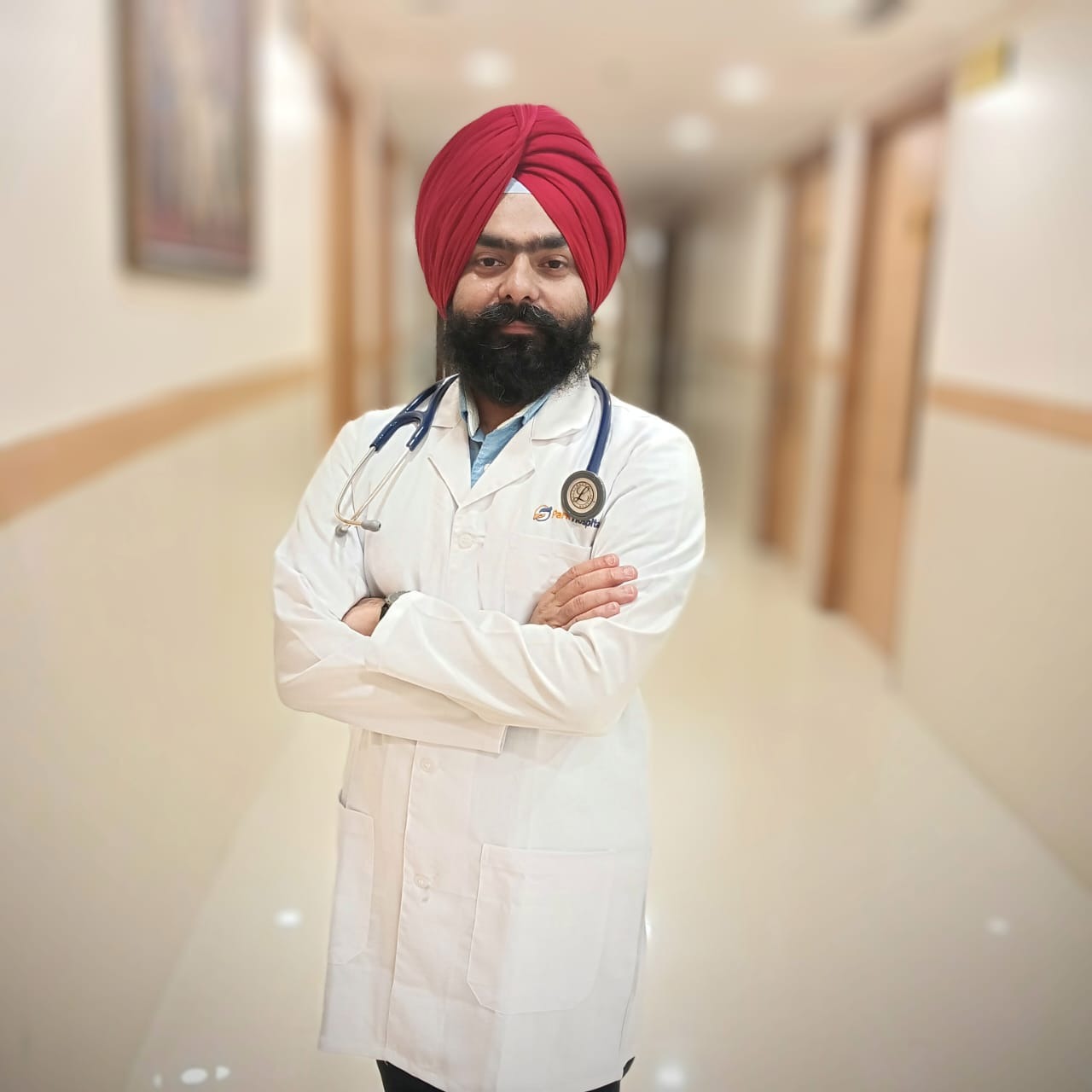
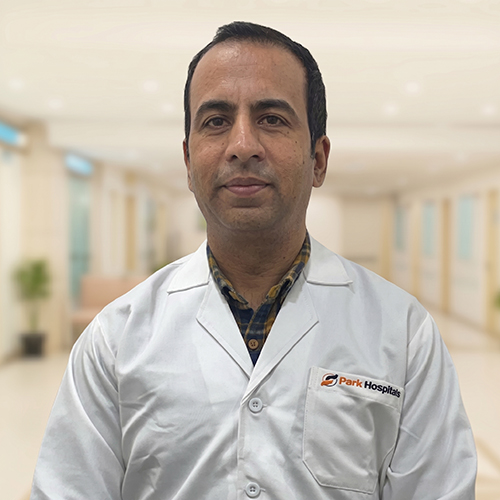
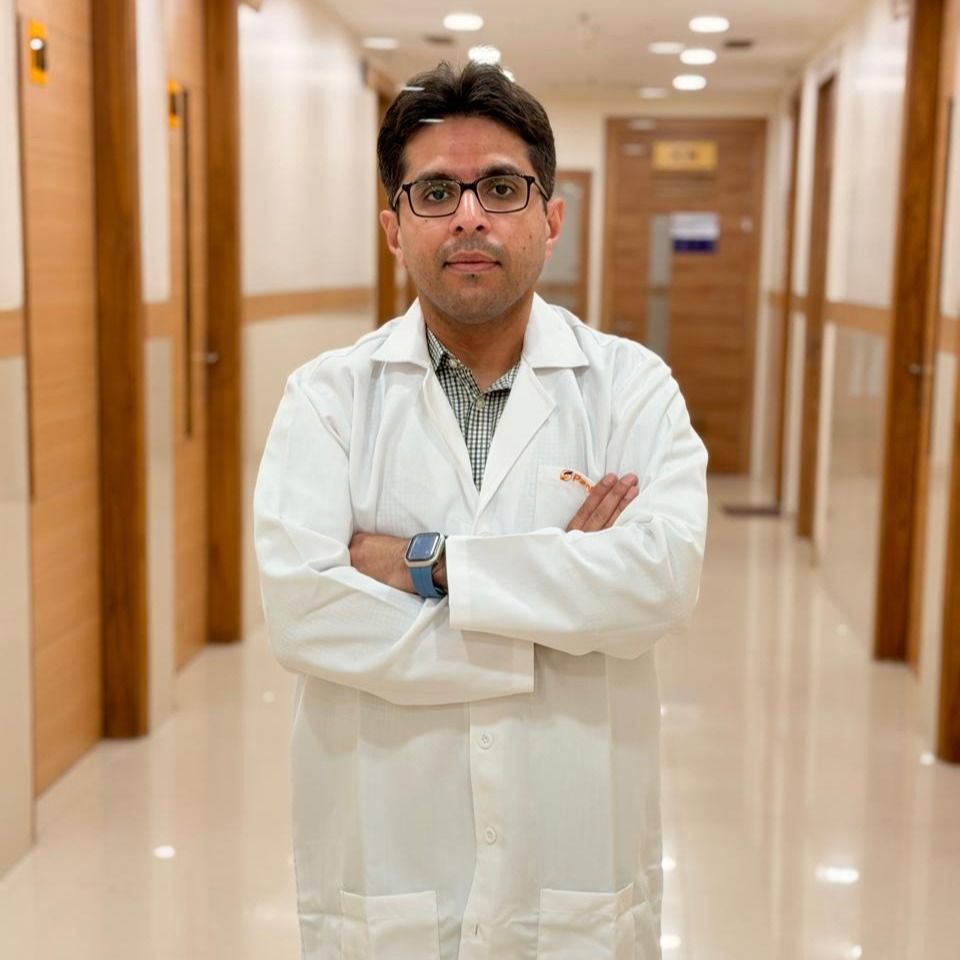
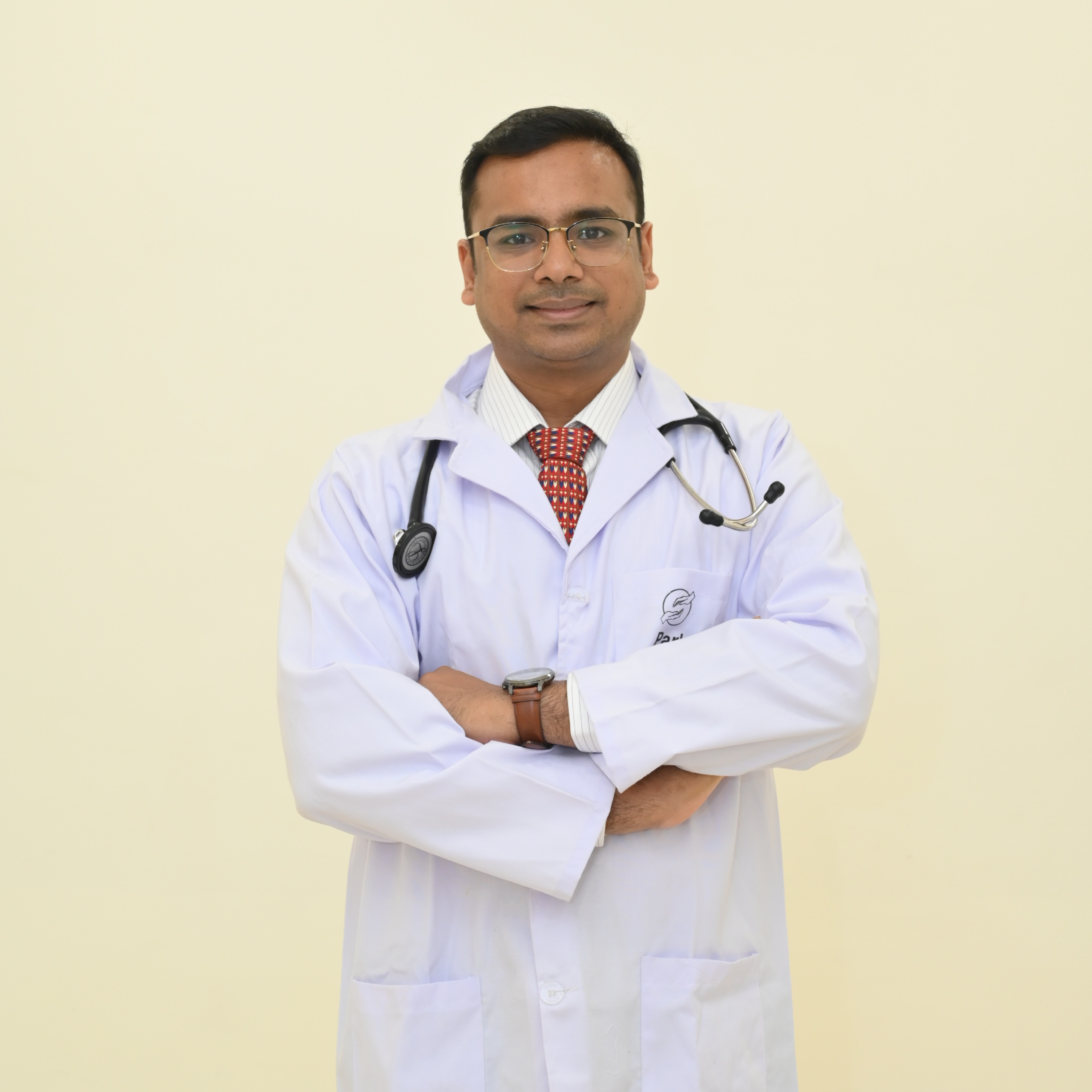
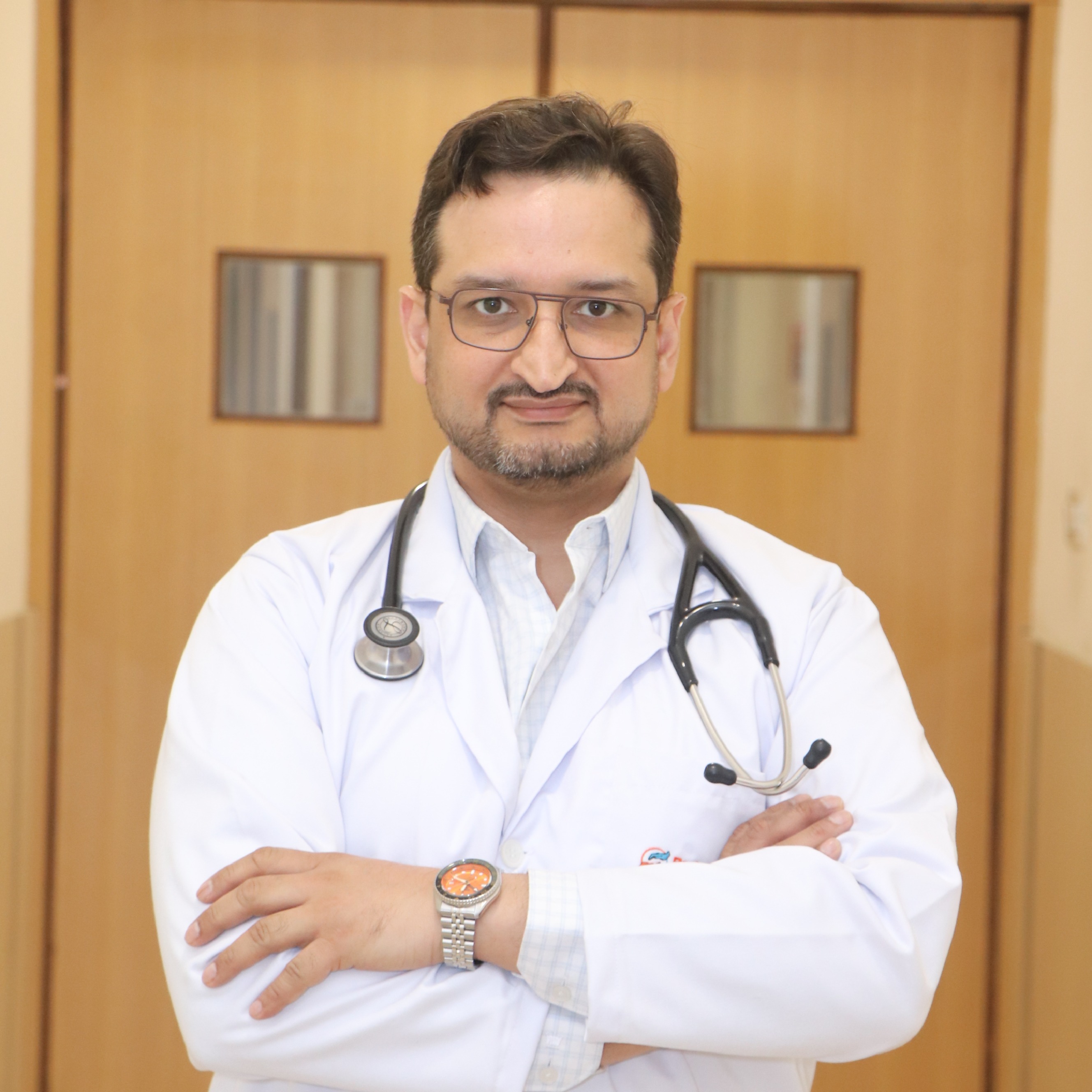
Consult with our highly skilled specialists dedicated to providing world-class medical expertise and personalized treatment plans.
Find A Doctor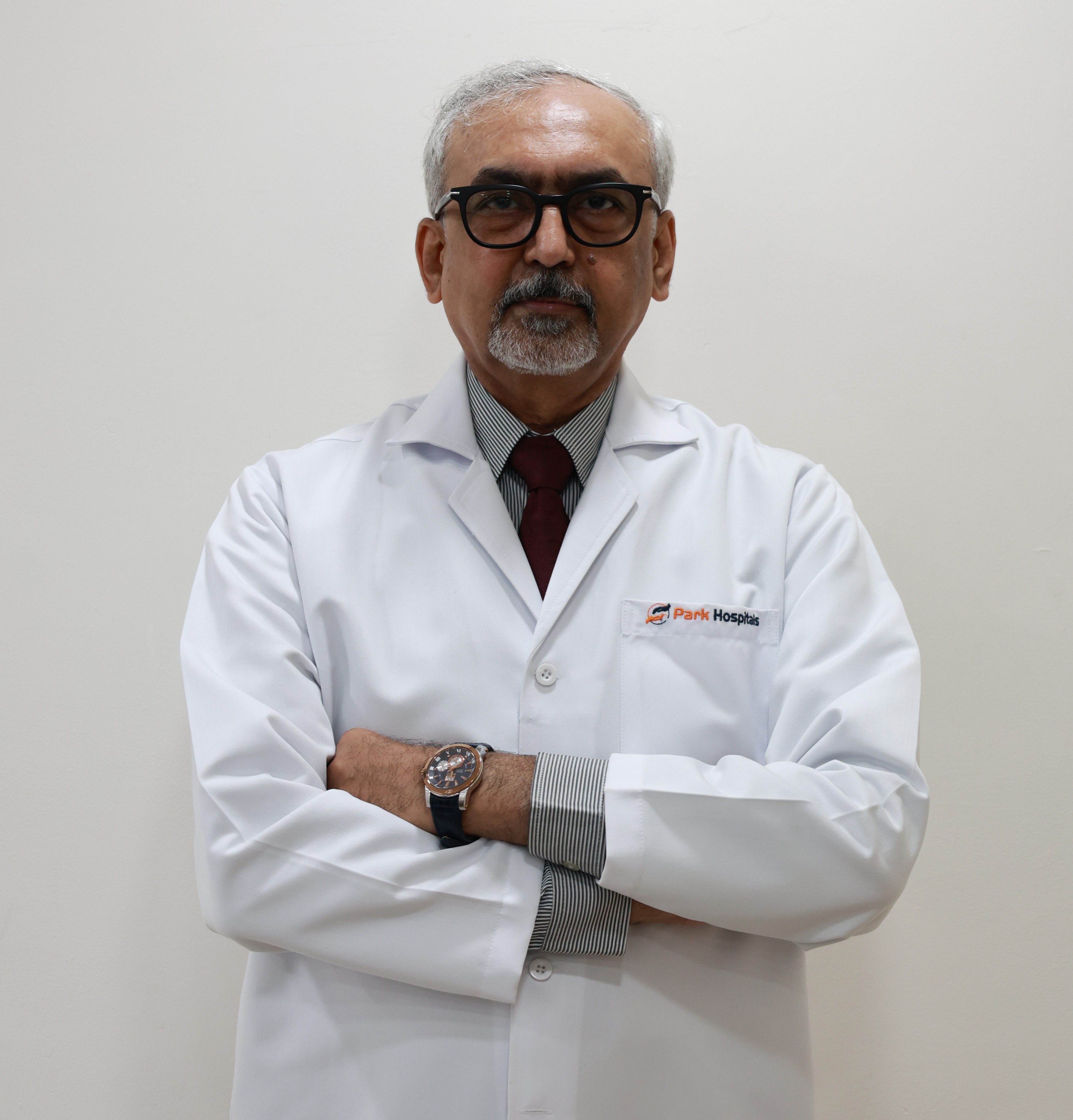













.png)


.jpg)



Patient Testimonials
Stories Reflecting Excellence in Patient Care
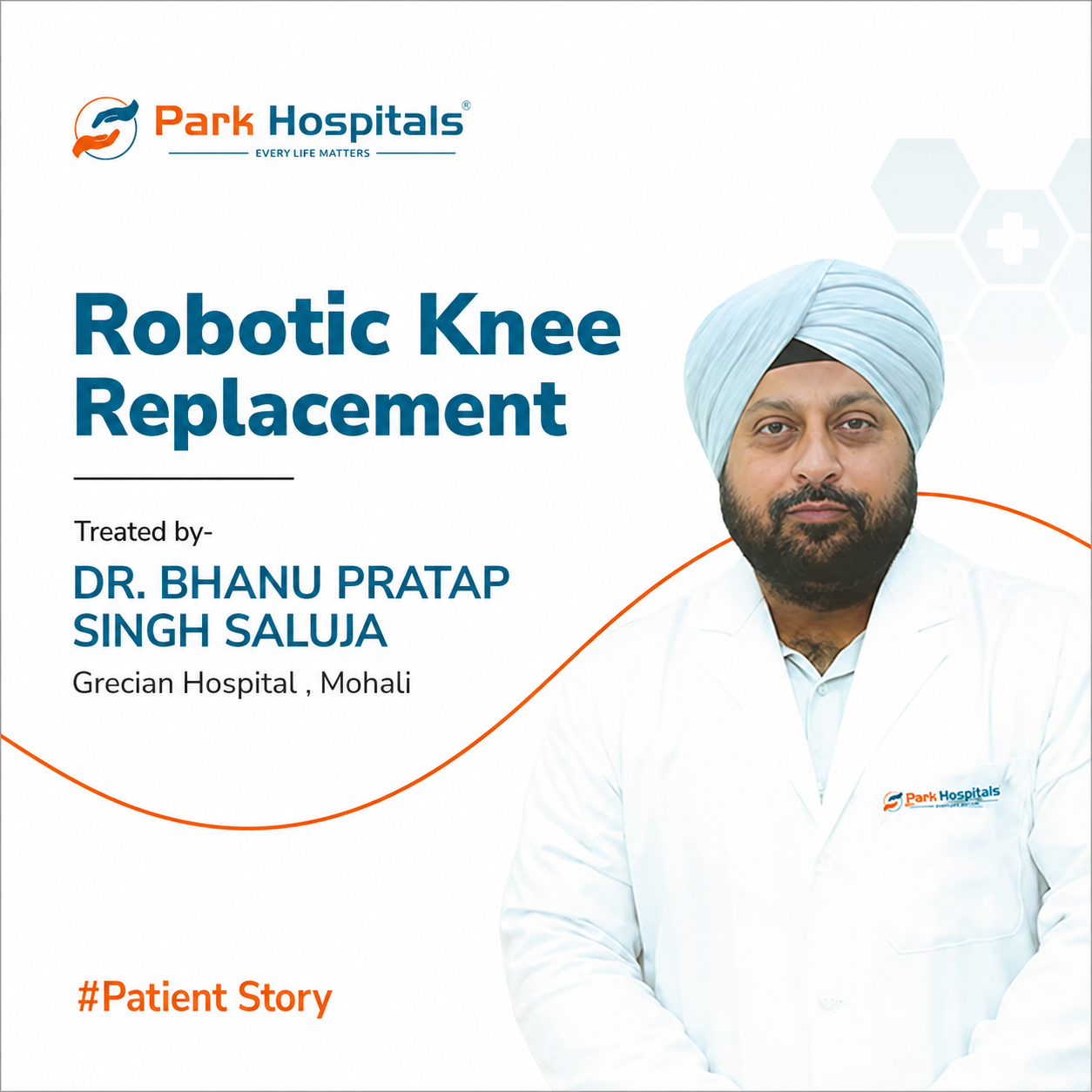
Robotic Knee Replacement Success Story
A patient regained mobility and confidence through successful robotic knee replacement surgery. Advanced robotic technology, expert orthopedic care, and personalized rehabilitation helped reduce pain, improve movement, and enhance overall quality of life.
Know More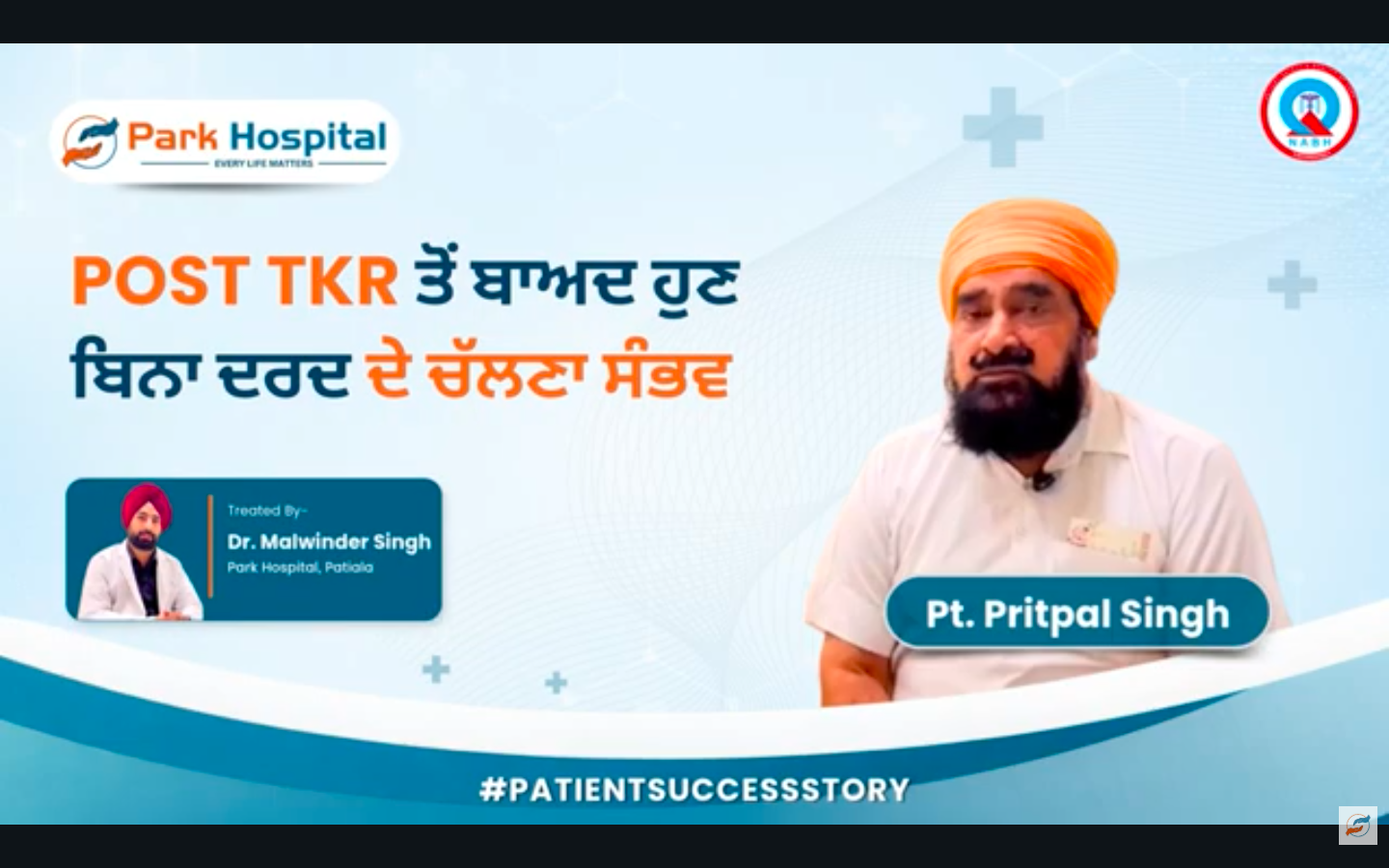
Pain-Free Walking After Total Knee Replacement
Following a successful Total Knee Replacement (TKR), the patient regained mobility and confidence. Expert orthopedic care, advanced surgical techniques, and rehabilitation support helped achieve pain-free walking and an improved quality of life.
Goodbye Knee Pain! | Advanced Knee Replacement | Dr. Anand Jindal | Park Hospital Panchkula
Chronic knee pain can affect your mobility and quality of life. Advanced knee replacement surgery can help you move comfortably and regain confidence.
Dr. Anand Jindal
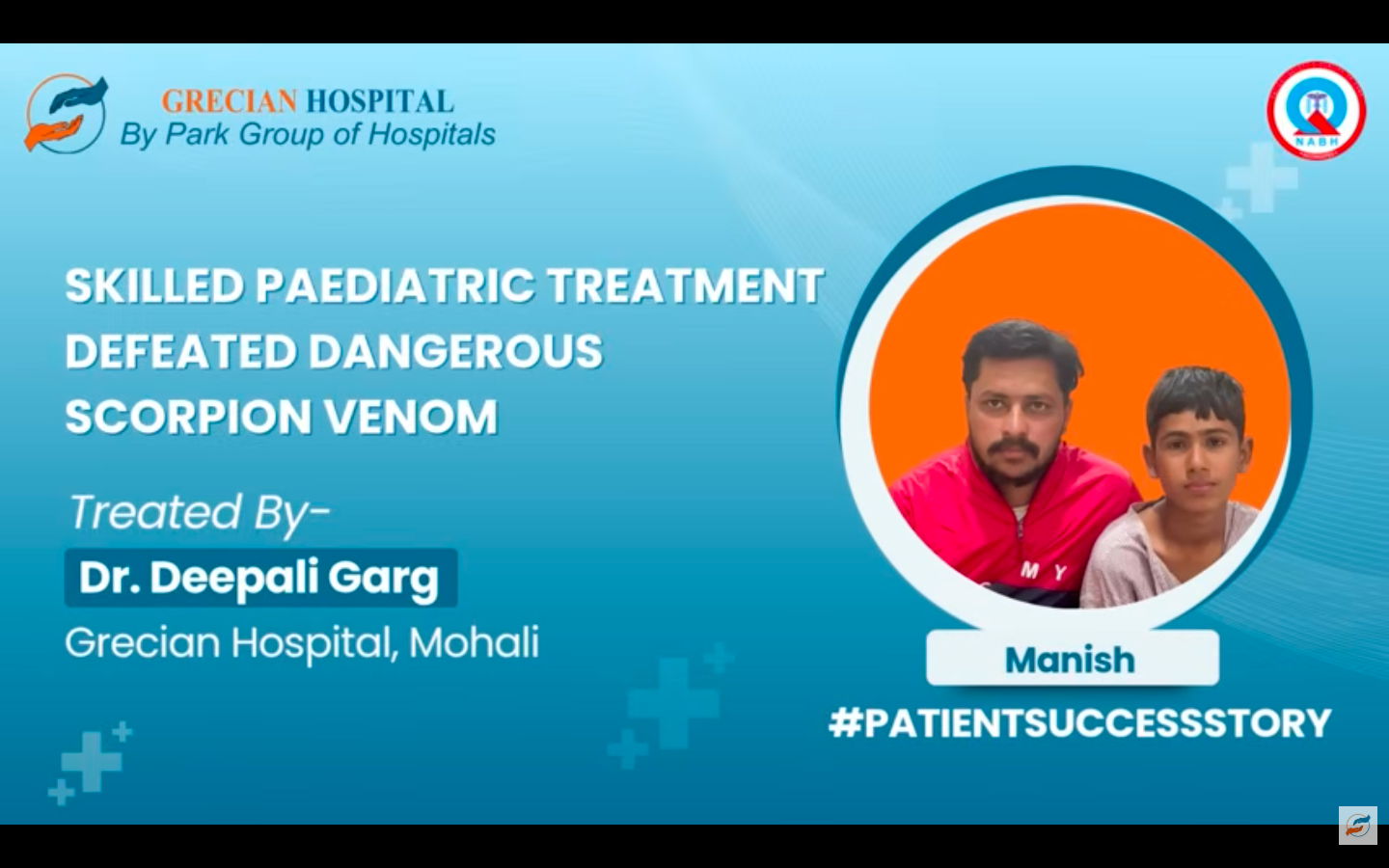
Expert Paediatric Care Defeats Scorpion Venom
A child suffering from a dangerous scorpion sting was successfully treated through timely intervention and expert pediatric care. Prompt diagnosis, critical monitoring, and specialized treatment ensured a safe recovery and positive outcome.
Dr. Milan Arora


















Our Hospital Locations
Healing Near You
Experience world-class clinical expertise and compassionate care at our advanced facilities conveniently located across the region
View AllHealth Tips
Expert Advice for Healthy Life





Frequently Asked Questions
Common questions answered by our experts
Signs of a heart problem can vary depending on the condition. Common symptoms include chest pain, pressure or discomfort, shortness of breath, dizziness, fainting, unusual fatigue, rapid or irregular heartbeats and swelling in the legs, ankles or feet. Some conditions may cause few or no noticeable symptoms in their early stages. Sudden chest pain, severe breathlessness or fainting can require urgent medical attention. Persistent or unexplained symptoms should be evaluated by a healthcare professional.
Consider consulting a cardiologist if you experience persistent chest discomfort, breathlessness, palpitations, dizziness, fainting, unusual fatigue or swelling in your legs or feet. A specialist evaluation may also be appropriate if you have high blood pressure, high cholesterol, diabetes, a strong family history of heart disease or abnormal cardiac test results. If symptoms such as severe chest pain, significant breathing difficulty or fainting occur suddenly, seek emergency medical care rather than waiting for a routine cardiology appointment.
The tests recommended depend on your symptoms, medical history and suspected heart condition. Common investigations include blood tests, an electrocardiogram (ECG), echocardiogram, Holter monitoring and exercise or stress testing. Doctors may also recommend chest X-rays, cardiac CT, cardiac MRI or cardiac catheterization when more detailed information is needed. These tests can assess heart rhythm, structure, function and blood flow and help the cardiologist identify the cause of symptoms and determine the appropriate treatment.
A cardiologist diagnoses and manages a wide range of cardiovascular conditions. These can include coronary artery disease, heart failure, abnormal heart rhythms, heart valve disease, diseases of the heart muscle and certain congenital heart conditions. Cardiologists also help manage cardiovascular risk factors such as high blood pressure and high cholesterol. Depending on the condition, treatment may involve lifestyle changes, medicines, monitoring or specialised procedures. Some patients may require care from an interventional cardiologist or cardiac surgeon.
Treatment depends on the type of heart condition, its severity and the extent of heart damage. Options may include lifestyle changes, medicines, minimally invasive procedures and surgery. For coronary artery disease, treatment may involve medicines and lifestyle changes, while some patients may require angioplasty with stent placement or coronary artery bypass surgery. A cardiologist considers symptoms, test results, overall health and other risk factors before recommending the most appropriate treatment approach.
You can support your heart health by eating a balanced diet rich in vegetables, fruits and whole grains while limiting excess salt, sugar and saturated fats. Regular physical activity, maintaining a healthy weight and avoiding tobacco are also important. Managing blood pressure, cholesterol and diabetes can further reduce cardiovascular risk. Regular health check-ups can help identify risk factors early. If you already have a heart condition, follow your healthcare professional's advice regarding medicines, diet, exercise and follow-up care.
You can ask what may be causing your symptoms, which tests you need and what the results could indicate. If a heart condition is diagnosed, ask about its severity, available treatment options and what changes you can make to protect your heart. You may also want to discuss medicines, physical activity, diet, warning signs that require urgent attention and follow-up requirements. Carry previous reports, ECGs, scans, blood test results and a list of your current medicines to help the cardiologist understand your medical history.